Ethically Sourced Diamonds: What New Zealand Buyers Should Know
When choosing a diamond for an engagement ring or fine jewellery, quality is only part of the decision. Increasingly, New Zealand buyers also want to know where their diamond came from, how it entered the supply chain and what “ethical” or “conflict-free” actually means.
An ethically sourced diamond should come through a responsible and transparent supply chain that considers human rights, labour practices, environmental impact and the prevention of diamonds being used to finance armed conflict.
At Polished Diamonds, we offer both natural and lab-grown diamonds and believe the best approach is transparency: understand the origin, certification and characteristics of the diamond before deciding which option best reflects your priorities.
What Is an Ethical Diamond?
There is no single universal grading certificate that labels a diamond simply as “ethical”.
Instead, responsible diamond sourcing involves several considerations, including traceability, legitimate supply chains, working conditions, environmental practices and appropriate disclosure of whether a diamond is natural or laboratory-grown.
The term conflict-free diamond has a narrower meaning. The international Kimberley Process was established to prevent rough diamonds used by rebel movements to finance armed conflict from entering legitimate international trade.
This makes the Kimberley Process an important safeguard, but ethical sourcing can extend beyond conflict prevention to broader social and environmental considerations.
How Does the Kimberley Process Work?
The Kimberley Process Certification Scheme regulates international trade in rough natural diamonds. Participating countries must control rough-diamond imports and exports, with qualifying shipments accompanied by Kimberley Process certification.
For consumers, however, it is important to understand that the Kimberley Process applies to the trade in rough diamonds rather than individually certifying a finished diamond or jewellery store.
That is why buying from a jeweller who can explain their sourcing, diamond documentation and supply chain remains important.
At Polished Diamonds, you can compare natural and lab-grown diamonds and discuss available certification and sourcing information before choosing your stone.
Are Lab-Grown Diamonds More Ethical?
Lab-grown diamonds avoid traditional diamond mining, but that does not automatically mean every laboratory-grown diamond has no environmental or social impact.
Producing diamonds through Chemical Vapour Deposition (CVD) or High Pressure High Temperature (HPHT) requires significant technology and energy. The environmental footprint can therefore vary depending on the production facility and the energy sources used.
Lab-grown diamonds are nevertheless an attractive option for buyers who want a diamond without conventional mining and who value their considerably lower price.
They are genuine diamonds with essentially the same chemical and physical properties as natural diamonds. For a more detailed comparison, read our guide, The Truth About Lab-Grown Diamonds.
Natural vs Lab-Grown: Which Is the More Ethical Choice?
There is no single answer that suits every buyer.
A responsibly sourced natural diamond may support employment, infrastructure and economic activity in diamond-producing communities. A lab-grown diamond avoids mining and can offer significantly more carat weight for the same budget, although its energy footprint depends on how and where it was produced.
Rather than relying on broad claims such as “mined is unethical” or “lab-grown is sustainable”, we recommend looking at the information available for the individual diamond and deciding which factors matter most to you.
Origin, traceability, certification, environmental considerations, rarity and price can all influence the decision.
How to Buy an Ethically Sourced Diamond in New Zealand
Before purchasing a diamond, ask your jeweller:
- Is the diamond natural or lab-grown, and is this clearly disclosed?
- Does it have independent grading documentation?
- For natural diamonds, has it entered trade through legitimate conflict-free sourcing channels?
- For lab-grown diamonds, is the producer or source known?
- Can the jeweller clearly explain the diamond’s cut, colour, clarity and carat weight?
- Where will the finished jewellery be designed and manufactured?
Certification is also important for understanding exactly what you are purchasing. Our How to Choose a Diamond guide explains the 4Cs, grading reports and other factors worth comparing before buying.
Ethical Diamond Engagement Rings Made in New Zealand
Responsible sourcing does not stop with the diamond. The way your engagement ring is designed, manufactured and maintained also matters.
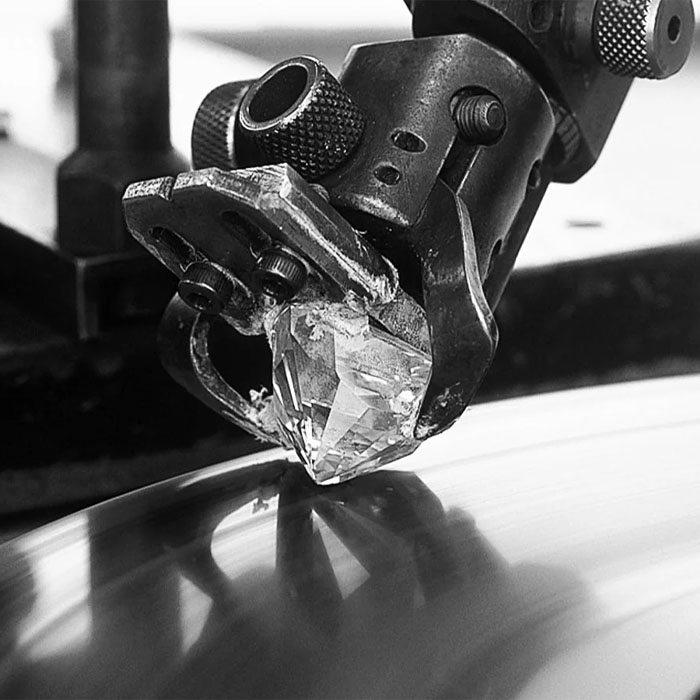
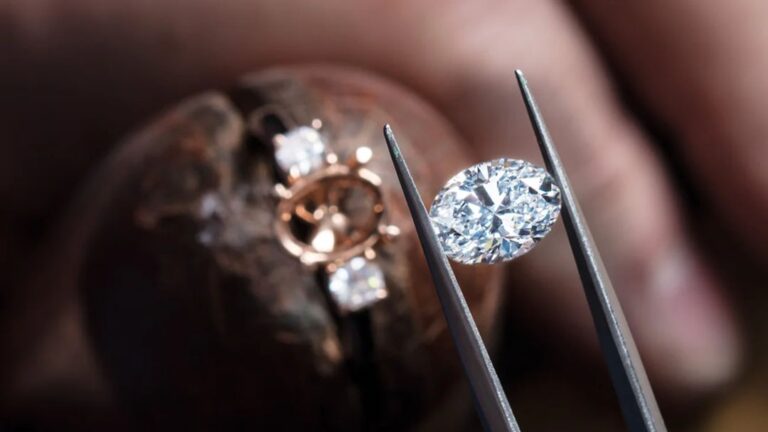
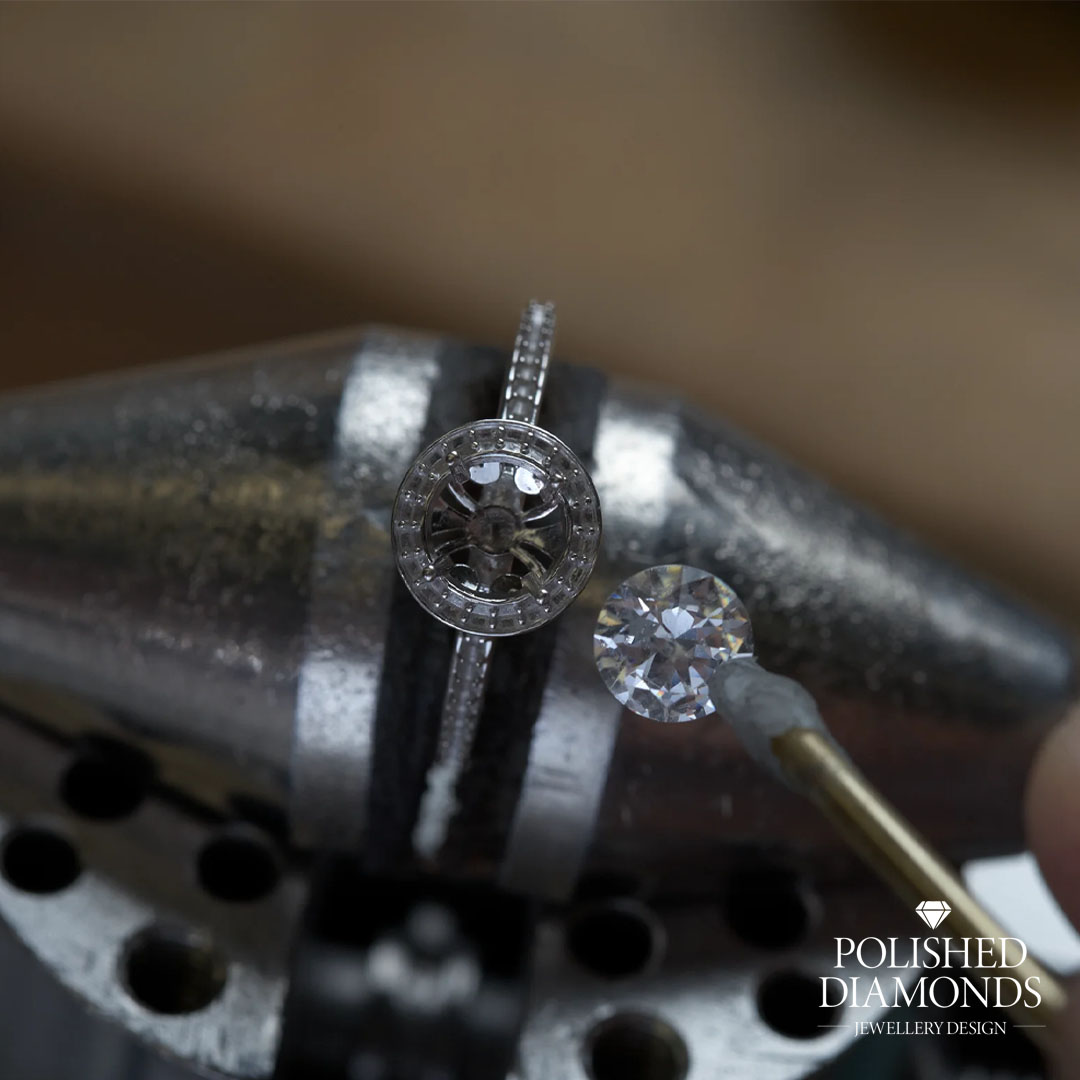
Polished Diamonds designs and manufactures diamond engagement rings in New Zealand through our own jewellery workshop. Customers can choose a natural or lab-grown diamond and personalise their ring through CAD design before manufacture.
Keeping design and production within New Zealand also gives us direct oversight of craftsmanship, diamond setting, finishing and final quality control.
Our design studios in Auckland, Wellington and Christchurch allow you to compare diamonds and ring designs in person and ask questions about quality, origin and certification before making your decision.
If you are ready to compare options, explore our diamond collection or browse our diamond rings to see natural and lab-grown options available through Polished Diamonds.
Frequently Asked Questions About Ethical Diamonds
An ethically sourced diamond is supplied through a responsible and transparent supply chain that considers conflict prevention, human rights, labour practices and environmental impact.
Not necessarily. Conflict-free generally refers to diamonds that have not financed rebel movements or armed conflict. Ethical sourcing is broader and may also consider working conditions, environmental impact and supply-chain transparency.
Lab-grown diamonds avoid conventional diamond mining, which can appeal to ethically conscious buyers. However, their environmental impact varies depending on how much energy is used and where that energy comes from.
Ask your jeweller about the diamond’s supply chain and independent grading documentation. A reputable jeweller should be able to explain clearly whether the diamond is natural or lab-grown and what supporting information is available.
Yes. Polished Diamonds offers both natural and lab-grown diamonds for diamond engagement rings, with rings designed and manufactured in New Zealand.