How to Choose a Diamond: A New Zealand Buying Guide
Choosing a diamond is not simply about buying the highest grade you can afford. The best diamond balances cut, colour, clarity, carat weight, shape and price to create the appearance you want in the finished ring.
At Polished Diamonds, we help clients compare natural and lab-grown diamonds for diamond rings and custom jewellery in New Zealand. This guide explains what matters most when choosing a diamond — and where spending more actually makes a visible difference.
Start With the 4Cs of Diamond Quality
The internationally recognised 4Cs are cut, colour, clarity and carat weight. They provide a consistent framework for comparing diamond quality, but they should not be considered independently.
A beautifully cut diamond with slightly lower colour or clarity can often look more impressive than a more expensive diamond with higher grades but poorer proportions.
1. Cut: Prioritise Brilliance
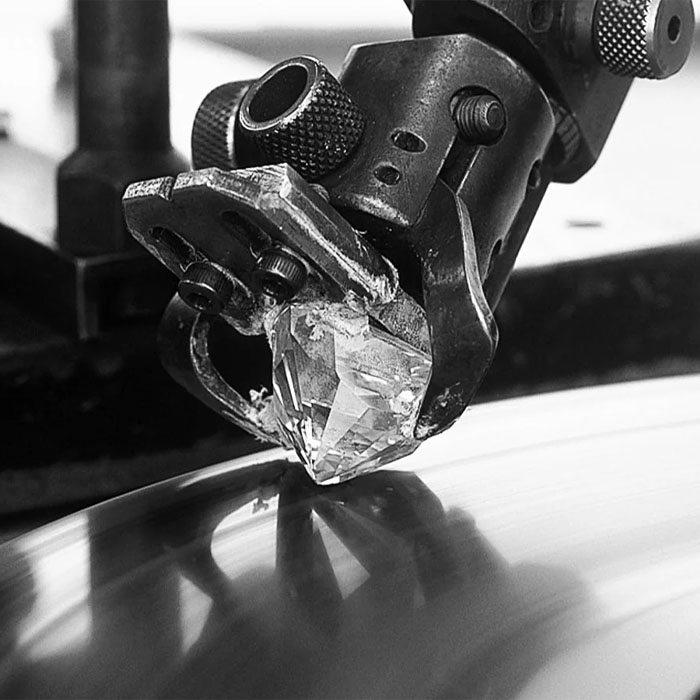
Diamond cut describes how effectively a polished diamond interacts with light. For round brilliant diamonds, proportions, symmetry and facet arrangement strongly influence brightness, fire and sparkle.
For this reason, we generally prioritise Very Good or Excellent cut when comparing round diamonds.
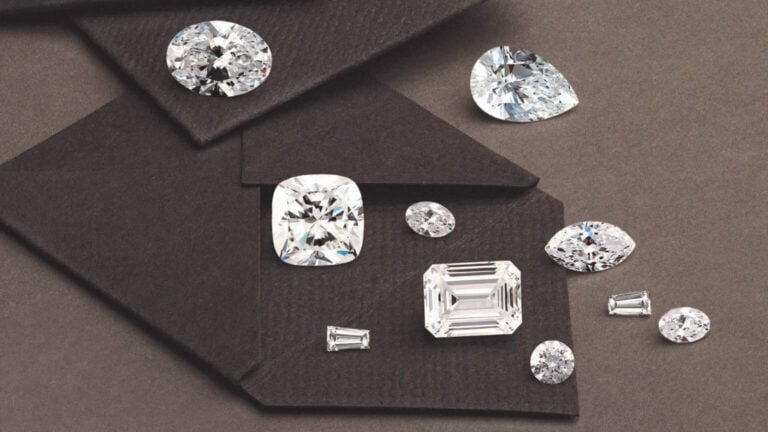
It is also important to distinguish between diamond shape and cut quality. Round brilliant, oval, pear, emerald, cushion and radiant describe shapes, while cut quality relates to how successfully the diamond has been proportioned and polished.
For buyers attracted to maximum sparkle, our round brilliant diamond rings are a useful starting point. Fancy shapes such as oval diamond rings require additional consideration of proportions, symmetry and face-up appearance because every stone can look noticeably different.
2. Colour: Choose What You Can Actually See
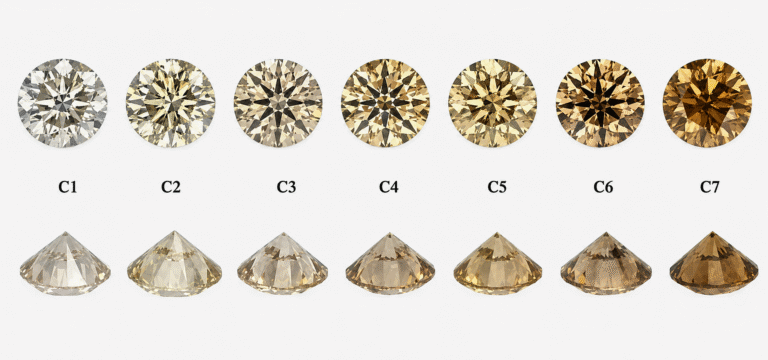
White diamonds are graded from D to Z, with D representing the least visible colour.
Broadly:
- D–F: Colourless
- G–J: Near colourless
- K–Z: Increasingly noticeable yellow or brown tones
Higher colour grades are rarer and generally more expensive, but higher does not automatically mean better value.
For many engagement rings, a near-colourless diamond can still appear beautifully white once set. The surrounding metal also affects perception. Slight warmth can be less noticeable in yellow or rose gold than beside platinum or white gold.
Our detailed guide to diamond colour explains the grading scale and how colour should be considered alongside the jewellery design.
3. Clarity: Look Beyond the Grade
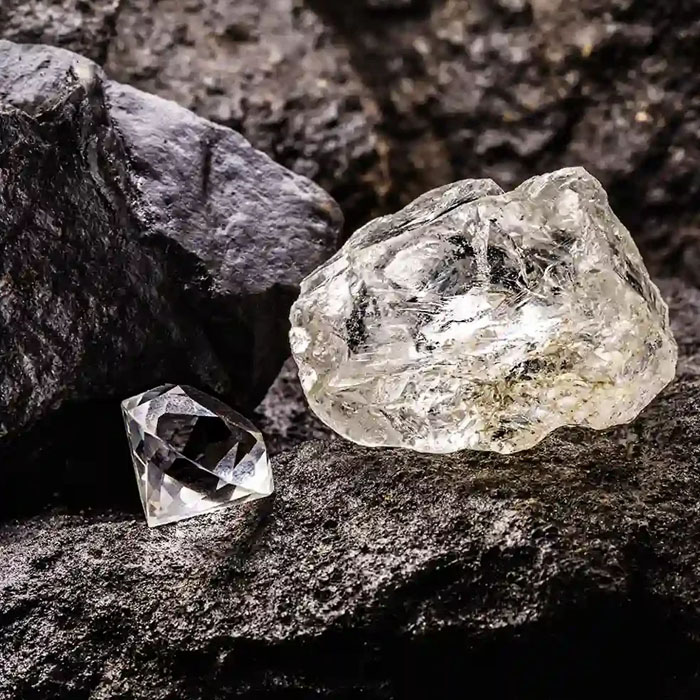
Natural diamonds commonly contain microscopic internal characteristics called inclusions, while external characteristics are called blemishes.
Clarity grading considers their size, position, nature and visibility. Grades range from Flawless through VVS, VS and SI to Included.
For most jewellery buyers, the more practical question is:
Can I see the inclusion without magnification, and does it affect the appearance or durability of the diamond?
A carefully selected eye-clean VS or SI diamond can offer excellent value because you are not necessarily paying for microscopic perfection that cannot be seen when the ring is worn.
The location of an inclusion also matters. A small inclusion near the edge of the stone may be far less noticeable than one positioned beneath the centre table.
4. Carat: Weight Is Not the Same as Size
Carat measures weight, not visible diameter.
One carat equals 0.2 grams, but two 1.00ct diamonds can look different in size when viewed from above. A deeper diamond may carry more weight below the surface, while another distributes its weight across a larger visible area.
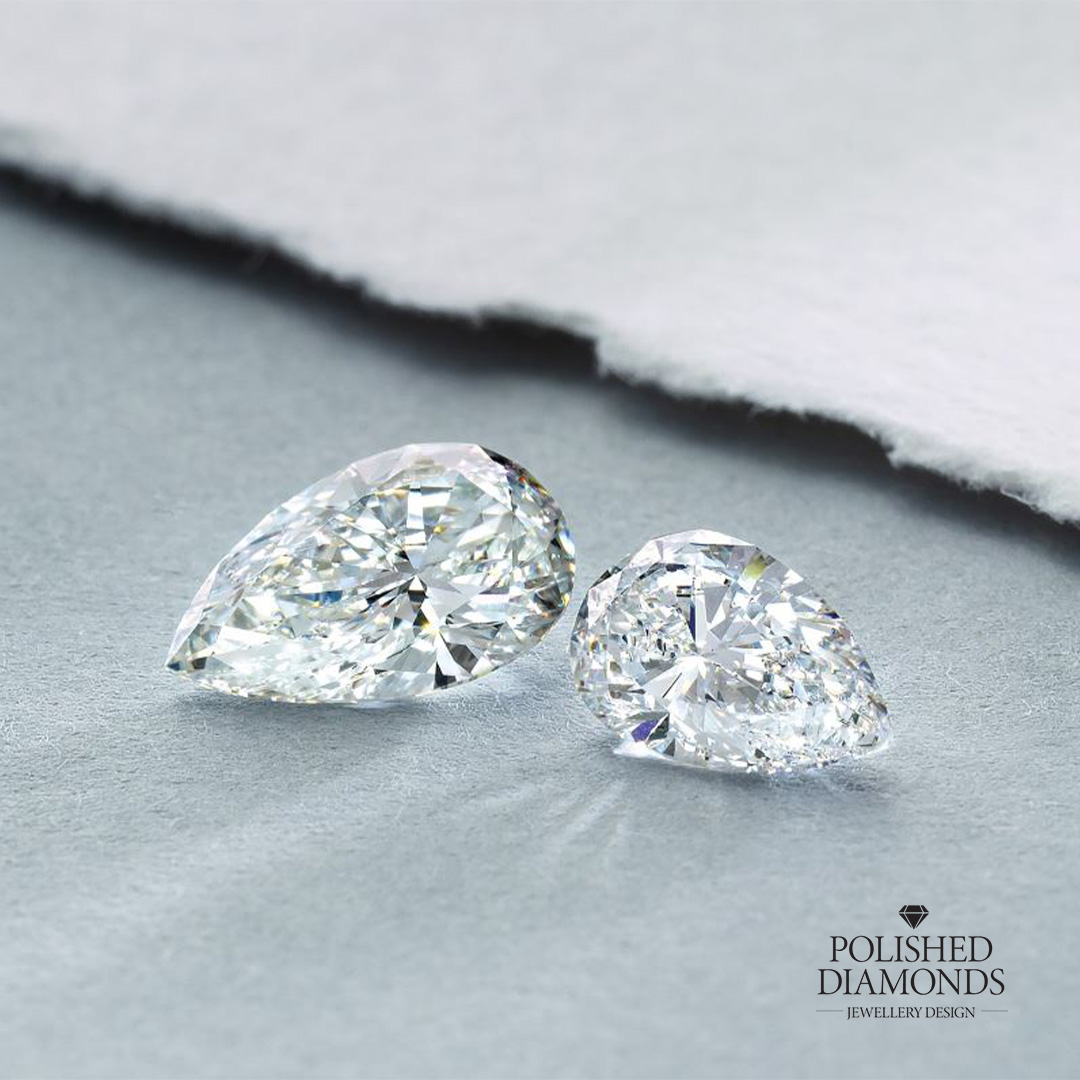
Shape also influences perceived size. Elongated designs such as pear-shaped diamond rings, oval and marquise diamonds can create significant visual presence for their carat weight.
Our guide to understanding diamond carat explains the relationship between carat weight, dimensions and visible size in greater detail.
Which Diamond Shape Should You Choose?
Diamond shape is primarily a personal and design decision.
A round brilliant emphasises sparkle and symmetry. Oval, pear and marquise diamonds create a more elongated appearance. Emerald and asscher cuts produce broader flashes of light and highlight clarity differently, while cushion and radiant diamonds combine distinctive outlines with brilliant-style faceting.
If you prefer strong geometric lines, explore our emerald cut diamond rings or Asscher diamond rings. For softer outlines with greater brilliance, cushion cut diamond rings are another popular option.
Rather than selecting a diamond from its certificate alone, compare the stone’s actual millimetre dimensions, proportions and face-up appearance.
Always Check the Diamond Grading Report
An independent grading report provides an objective basis for comparing diamonds.
Depending on the laboratory and diamond type, the report can confirm carat weight, colour, clarity, dimensions, polish, symmetry and other characteristics.
Certification is especially useful when comparing diamonds online because two stones described as the same carat, colour and clarity can still differ substantially in proportions and appearance.
The grading report should support your decision — not replace an assessment of the diamond’s actual appearance.
Natural or Lab-Grown Diamond?
Natural and lab-grown diamonds are both diamonds. They have essentially the same chemical composition, crystal structure and physical properties, but their origins, rarity and market pricing differ significantly.
Natural diamonds appeal to buyers who value geological origin and rarity. Lab-grown diamonds generally allow buyers to purchase greater carat weight or higher specifications within the same budget.
Neither option is automatically right for everyone.
Our guide to lab-grown diamonds explains the differences in more detail so you can choose according to your priorities.
How Should You Spend Your Diamond Budget?
There is no universal “perfect” diamond specification.
For many buyers, we suggest prioritising approximately in this order:
- Overall appearance and preferred shape
- Cut and light performance
- Carat weight and visible dimensions
- Colour
- Eye-clean clarity
- Certification and individual characteristics
The objective is not to achieve the highest grade in every category. It is to find the combination where your budget produces a visible improvement in the finished ring.
Choose the Diamond Before Finalising the Ring
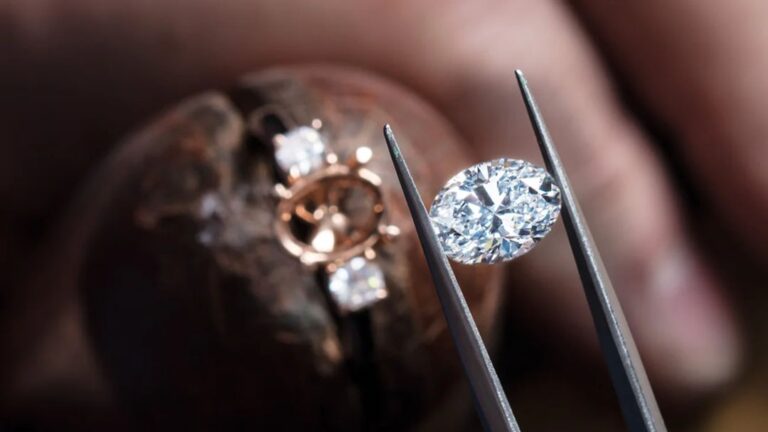
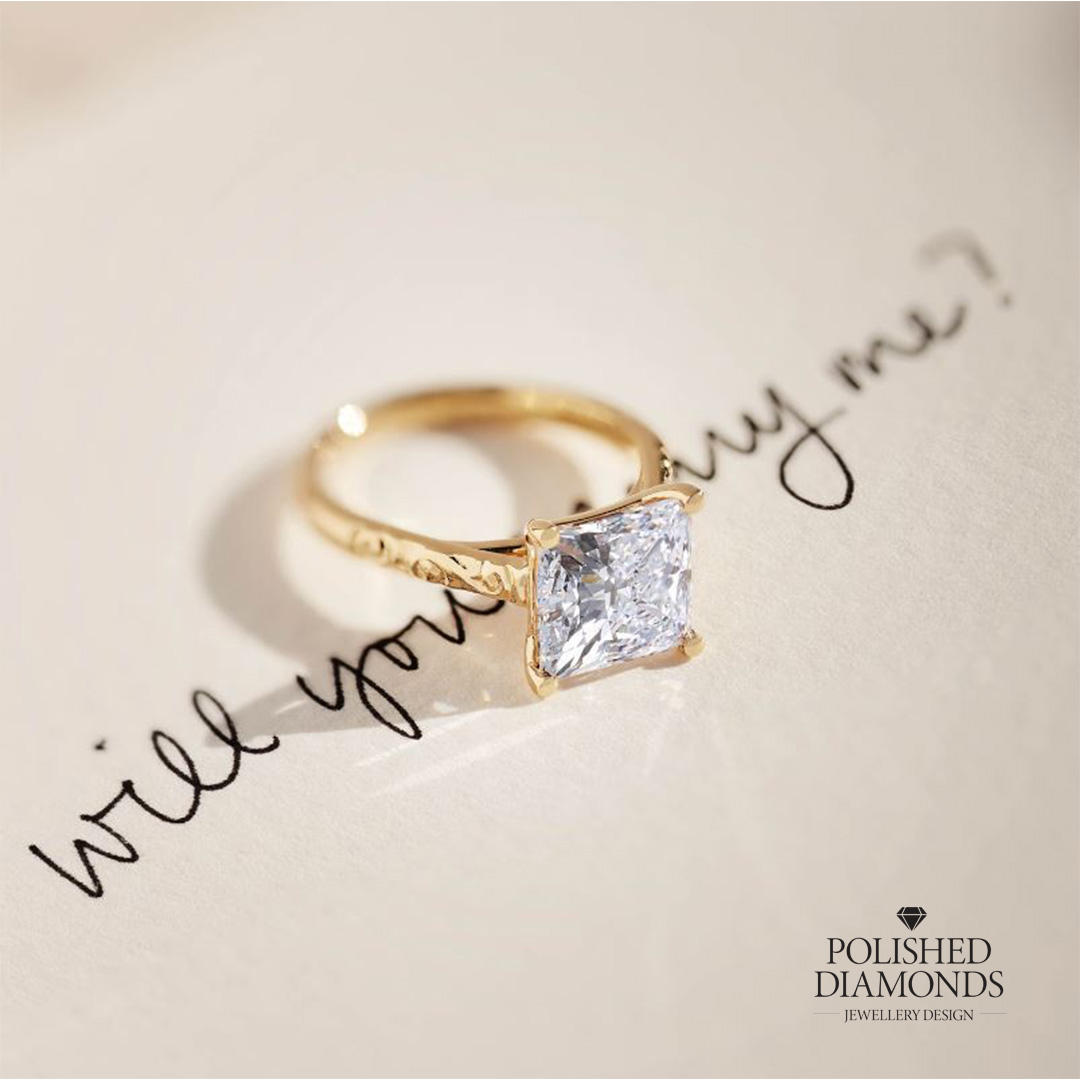
For a custom engagement ring, selecting the centre diamond early allows the setting to be designed around its exact dimensions and proportions.
Our design your own diamond ring process uses CAD jewellery design to accurately control claw position, setting height, band width and overall proportions around the chosen stone.
This allows you to review the ring digitally before manufacture and helps create a setting that complements the individual diamond rather than forcing it into a predetermined design.
Choosing a Diamond in New Zealand
You do not need to understand every technical diamond measurement before making a good decision.
The important part is knowing which characteristics affect what you can actually see — and where paying more creates genuine value.
Polished Diamonds offers certified natural and lab-grown diamonds together with custom jewellery design and New Zealand manufacture. You can compare diamonds and discuss your options in person at our Auckland, Wellington, or Christchurch jewellery design studios.
The best diamond is ultimately not the one with the highest grades on a certificate. It is the diamond that looks exceptional in the finished ring while making intelligent use of your budget.
Frequently Asked Questions
For round brilliant diamonds, cut is particularly important because it has a major influence on light performance and sparkle. Colour, clarity and carat weight can then be balanced according to your budget and personal preferences.
An eye-clean VS or carefully selected SI diamond can provide excellent value because inclusions may be invisible without magnification. The type and location of the inclusion are often as important as the clarity grade itself.
No. Carat measures weight rather than visible dimensions. Two 1.00ct diamonds can have different diameters or face-up dimensions depending on their shape, depth and proportions.
Yes. Lab-grown diamonds have essentially the same chemical composition, crystal structure and physical properties as natural diamonds. The main differences relate to origin, rarity and market value.
For a significant diamond purchase, an independent grading report provides useful assurance and makes diamonds easier to compare. The report should be considered alongside the actual appearance, proportions and performance of the diamond.
How to Choose a Diamond: Key Takeaways
- Choosing a diamond involves balancing cut, colour, clarity, carat weight, shape, and price for the best overall appearance.
- Start with the 4Cs: Cut affects brilliance, Colour can vary in visibility, Clarity requires looking beyond grades, and Carat measures weight, not size.
- When selecting a diamond shape, consider your personal preference and how it affects light performance and appearance.
- Always check the diamond grading report to confirm quality and ensure you compare diamonds accurately.
- Explore both natural and lab-grown diamonds to find what aligns best with your values and budget when you choose a diamond.