

Cushion Cut Solitaire Diamond Ring Yellow Gold RS41
$1,500Select options
This product has multiple variants. The options may be chosen on the product page
Cushion cut diamond rings combine the brilliance of a modern diamond with a softer square or rectangular outline and rounded corners. Sometimes described as a pillow-shaped diamond, the cushion cut is available in a wide range of proportions, from balanced square cushions to elegant elongated shapes.
At Polished Diamonds, you can choose a certified natural or lab-grown cushion diamond and pair it with a ring design in platinum, white gold, yellow gold or rose gold. Cushion diamonds suit many styles, including Solitaire Diamond Rings, Solitaire Accent Diamond Rings, Halo Diamond Rings, Trilogy Diamond Rings and Vintage Diamond Rings.
Because cushion diamonds vary considerably in proportion and facet pattern, we recommend comparing the actual measurements and appearance of individual diamonds rather than choosing on carat weight alone. Our jewellery designers can then create or customise the setting around your selected diamond using CAD, giving you control over the ring’s proportions, setting height and finer design details.
Explore our cushion cut diamond rings below or work with us to create a ring designed specifically for you.
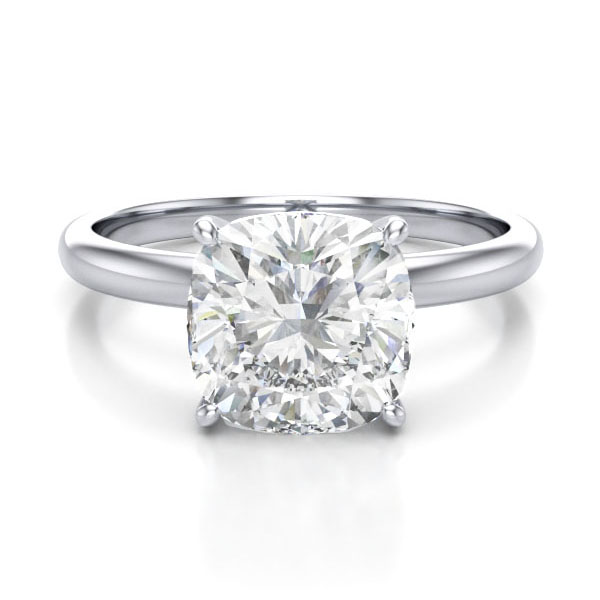
Showing 1–16 of 60 results
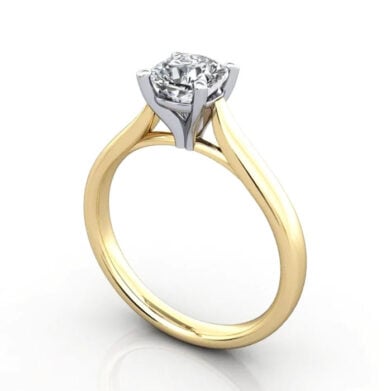
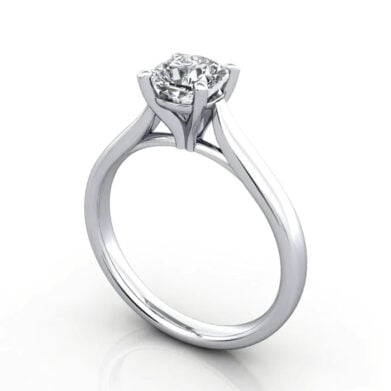
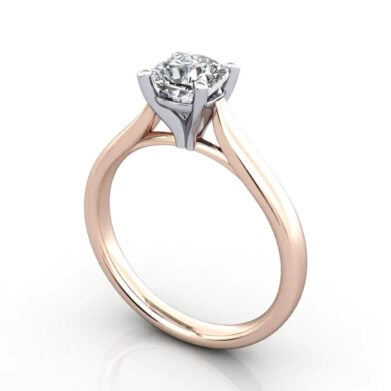
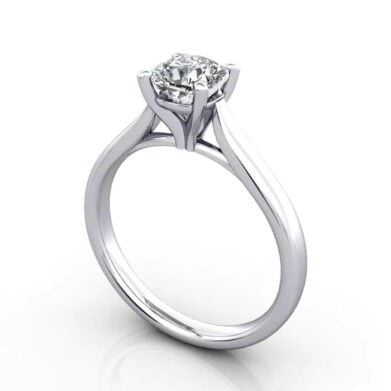
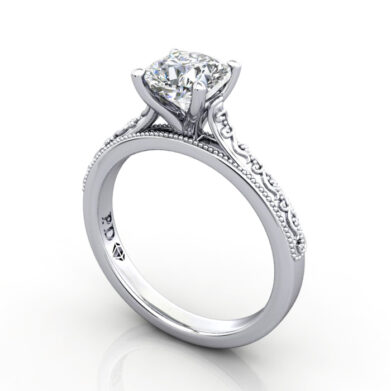
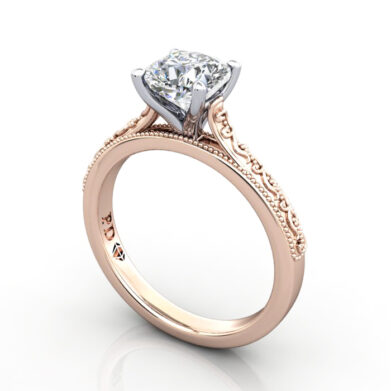
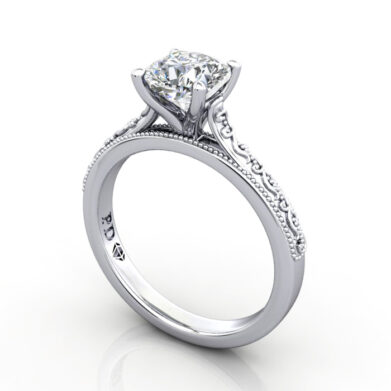
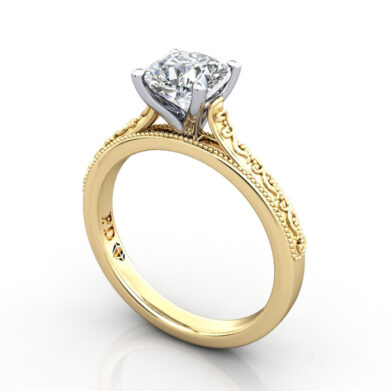
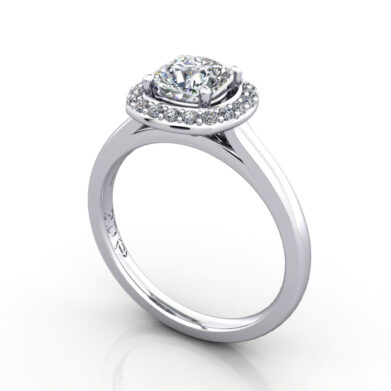
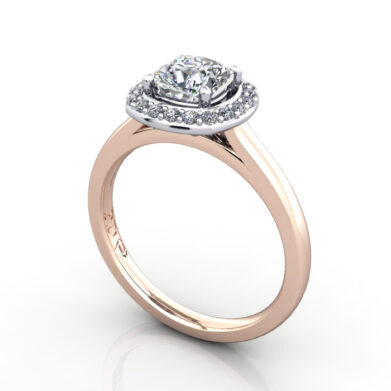
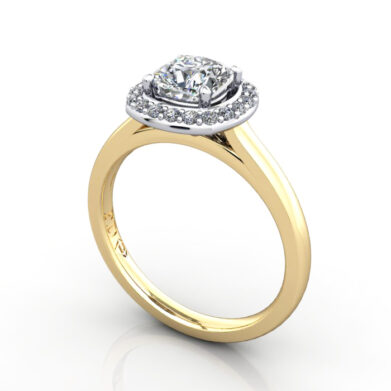
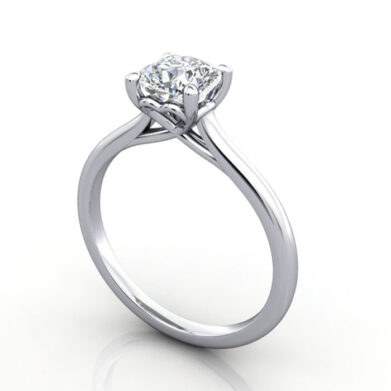
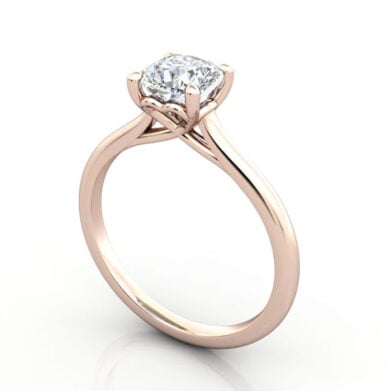
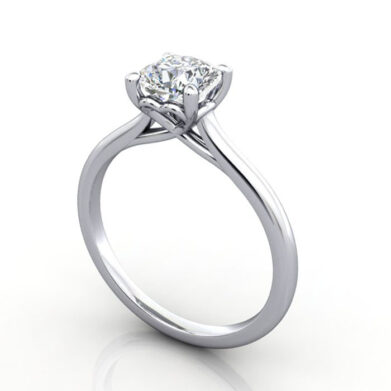
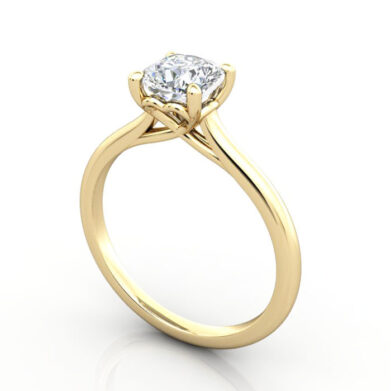
Cushion diamonds vary more than their grading reports might initially suggest. Unlike the standard round brilliant, GIA does not currently assign an overall cut grade to cushion diamonds. This makes visual assessment, measurements, polish, symmetry, proportions and facet pattern particularly useful when comparing stones.
Carat weight measures weight rather than visible size. Two cushion diamonds of the same carat weight can therefore have different face-up dimensions depending on their depth and proportions. We consider how the diamond presents from above, as well as its colour, clarity, and grading information.
A square cushion has similar length and width dimensions, giving it the balanced, softly squared appearance traditionally associated with the shape. An elongated cushion is longer than it is wide, creating a more rectangular outline that can give the diamond a longer appearance on the finger.
There is no single proportion that is right for everyone. The choice between square and elongated cushions is largely visual, so we recommend considering the diamond’s actual dimensions and appearance alongside the ring style in which it will be set.
Cushion diamonds can also differ in their internal facet arrangement. Cushion brilliant diamonds typically produce broader light patterns. In contrast, modified cushion brilliant diamonds include additional facets and can create a finer, more fragmented pattern sometimes described as a “crushed ice” appearance.
Neither style is automatically better. Individual cushion diamonds can look noticeably different even when their carat, colour and clarity grades are similar, which is why comparing the actual stones can be valuable.
The rounded corners of a cushion diamond make it adaptable to both contemporary and traditional ring designs. A Solitaire Diamond Ring keeps the centre diamond as the focus, while a Solitaire Accent Diamond Ring adds diamond detail through the band. A Halo Diamond Ring can follow the cushion outline and create greater visual presence around the centre stone.
Cushions can also work beautifully in Trilogy Diamond Rings, where the proportions of the centre cushion and side diamonds can be designed together. They are also particularly suited to Vintage Diamond Rings, reflecting the cushion shape’s historical connection with the old mine cuts that preceded today’s modern cushion brilliant.
If you prefer a more angular appearance, compare cushion diamonds with our Princess Cut Diamond Rings and Radiant Diamond Rings.
Polished Diamonds offers both natural diamonds and lab-grown diamonds in cushion shapes. Your choice can be based on origin, rarity, diamond size, quality and budget.
Natural and lab-grown cushion diamonds can both be compared using characteristics such as carat weight, colour, clarity, measurements, polish, symmetry and visual appearance. Our team can help you compare suitable stones before selecting the diamond for your ring.
A major advantage of custom design is that the ring can be created around the dimensions of your actual cushion diamond rather than forcing the stone into a predetermined setting.
Using advanced CAD jewellery design, Polished Diamonds can refine claw position, band width, setting height, halo proportions, side diamonds and wedding-ring clearance before manufacture. Detailed digital renders allow you to review the design before it is made, with a 3D-printed resin model also available when required.
Explore our Design Your Own Diamond Ring service to create a cushion cut diamond ring around your preferred diamond, precious metal, proportions and budget.
Our cushion cut diamond rings are designed and crafted through our New Zealand workshop, with personal jewellery design service available through our Auckland, Wellington and Christchurch studios or remotely throughout New Zealand.
In-store and virtual appointments with our jewellery specialists
Every piece is backed by our comprehensive lifetime guarantee
Flexible finance available — speak with us in studio to find the right option
GIA and IGI certified stones with full quality documentation
No products in the cart.


