The Truth About Lab-Grown Diamonds: What New Zealand Buyers Should Know
Lab-grown diamonds have transformed the diamond market, giving New Zealand buyers another option when choosing an engagement ring or fine jewellery. But are lab-grown diamonds real? How do they compare with natural diamonds, and are they actually better value?
The short answer is yes: lab-grown diamonds are real diamonds. They have essentially the same chemical composition, crystal structure, hardness and optical properties as natural diamonds. The fundamental difference is their origin: natural diamonds form within the Earth, while lab-grown diamonds are manufactured under controlled conditions.
Neither option is automatically better. The right choice depends on what matters most to you: price, rarity, origin, size, quality and long-term ownership.
Are Lab-Grown Diamonds Real Diamonds?
Yes. A laboratory-grown diamond is a diamond, not an imitation such as cubic zirconia or moissanite.
Natural and laboratory-grown diamonds are both predominantly crystalline carbon and both achieve a hardness of 10 on the Mohs scale. To the unaided eye, a well-cut lab-grown diamond can look indistinguishable from a comparable natural diamond.
Specialist gemmological equipment can identify differences in growth characteristics and confirm whether a diamond formed naturally or was created in a laboratory.
How Are Lab-Grown Diamonds Made?
Most laboratory-grown diamonds are produced using one of two processes:
CVD – Chemical Vapour Deposition: A diamond seed is placed inside a controlled chamber where carbon-rich gas gradually deposits carbon onto the seed, building a diamond crystal.
HPHT – High Pressure High Temperature: Extreme heat and pressure recreate some of the conditions associated with natural diamond formation, allowing a diamond crystal to grow around a seed.
The resulting rough diamond is then cut and polished in much the same way as a natural diamond.
Lab-Grown vs Natural Diamonds
| Lab-Grown Diamond | Natural Diamond | |
|---|---|---|
| Material | Diamond | Diamond |
| Origin | Created in a laboratory | Formed naturally within the Earth |
| Appearance | Visually comparable | Visually comparable |
| Hardness | 10 Mohs | 10 Mohs |
| Price | Usually substantially lower | Usually considerably higher |
| Availability | Increasing supply | Limited natural supply |
| Rarity | Manufactured | Geological rarity |
| Resale market | Generally limited | More established, but variable |
The most significant practical differences are therefore: origin, rarity and price, rather than appearance or durability.
Why Are Lab-Grown Diamonds Less Expensive?
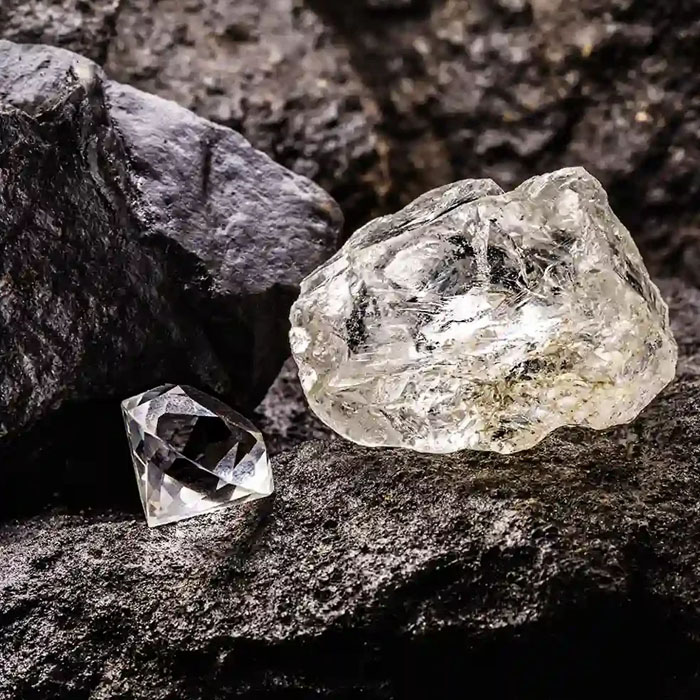
Natural diamonds require exploration, mining, sorting and processing before suitable rough diamonds reach the jewellery market. Their supply is inherently limited by geology.
Lab-grown diamonds can be manufactured repeatedly, and production technology continues to become more efficient. Greater supply has consequently placed downward pressure on lab-grown diamond prices.
For an engagement ring buyer, this can be a major advantage. The same budget may allow you to choose a larger diamond, higher colour or clarity, or invest more into the ring itself.
At Polished Diamonds, our standard lab-grown diamond selection focuses on high-quality stones, including colourless grades, VS clarity and excellent cutting characteristics.
Do Lab-Grown Diamonds Hold Their Value?
This is where buyers should have realistic expectations.
Lab-grown diamond prices have declined significantly as manufacturing capacity and technology have improved. Their future resale value is therefore uncertain and may be considerably below the original retail price.
Natural diamonds have a more established secondary market because of their scarcity, but they should not automatically be considered investments either. Resale values vary considerably according to the individual diamond, market conditions and how the stone is sold.
An engagement ring is usually best considered a personal luxury purchase rather than a financial investment.
Are Lab-Grown Diamonds More Ethical or Sustainable?
This question deserves more than a simple yes or no.
Lab-grown diamonds avoid traditional diamond mining, but manufacturing diamonds requires substantial energy. The environmental footprint therefore depends partly on the production technology and the energy source used by the manufacturer.
Natural diamond production also has environmental and social impacts, although responsible mining, traceability and industry controls have developed considerably.
Rather than assuming one origin is automatically sustainable, ask where your diamond comes from, how its origin is documented and what claims can actually be verified.
How Are Lab-Grown Diamonds Certified?
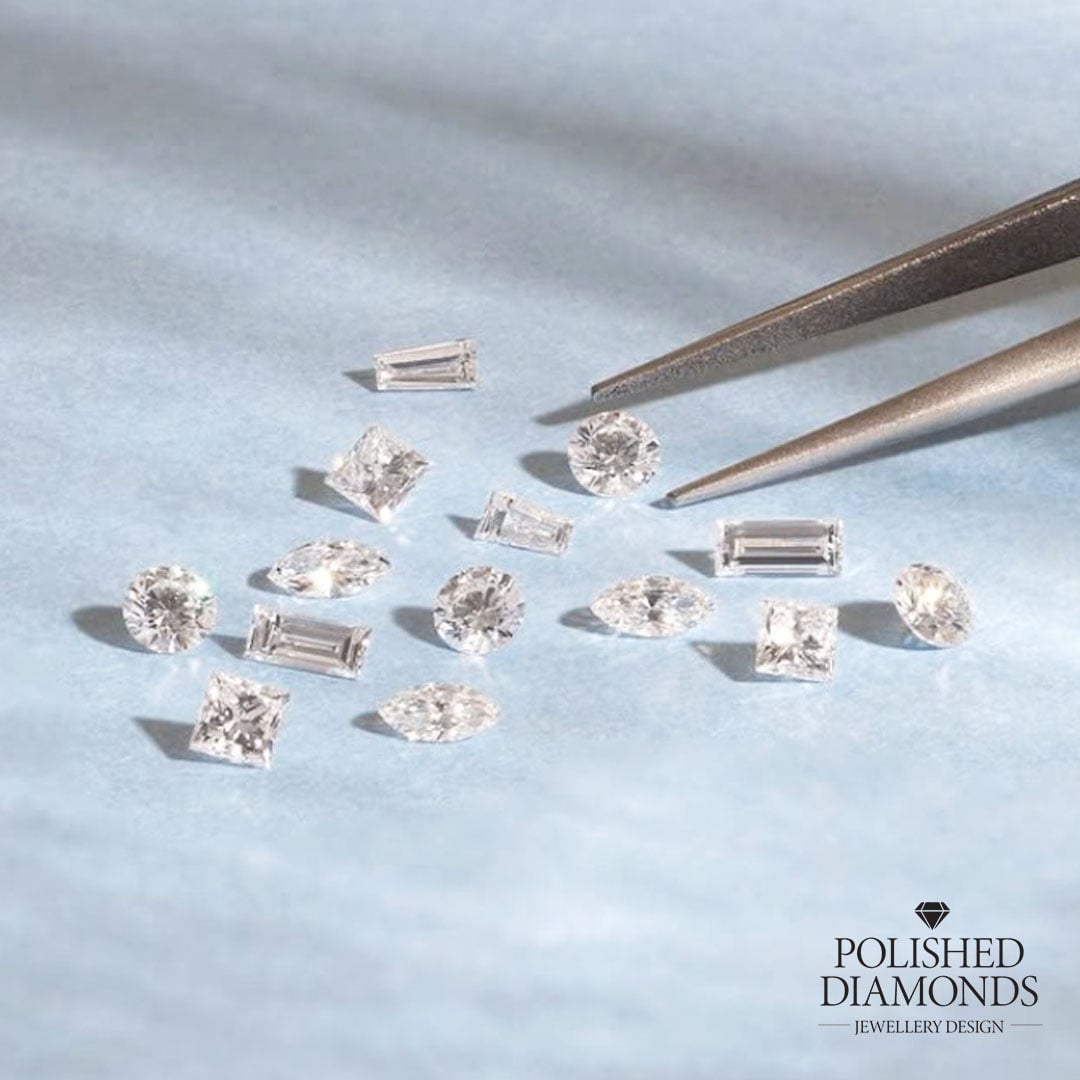
Independent assessment is important because it confirms that the stone is laboratory-grown and documents its quality.
IGI remains one of the major laboratories assessing lab-grown diamonds and provides reports covering characteristics including carat weight, colour, clarity and cut.
GIA changed its approach in 2025 and now uses Premium and Standard quality assessments for qualifying colourless to near-colourless laboratory-grown diamonds rather than applying its traditional natural-diamond grading nomenclature.
Always check the grading document supplied with the individual diamond rather than relying solely on a retailer’s description.
Should You Choose a Natural or Lab-Grown Diamond?
Choose a lab-grown diamond if your priority is maximising diamond size and visual quality within your budget.
Choose a natural diamond if geological origin, rarity and the traditional story of a naturally formed diamond are important to you.
There is no universal right answer.
At Polished Diamonds, we offer both natural and lab-grown diamonds so clients can compare the options rather than being pushed toward one category.
Lab-Grown Diamond Rings Made in New Zealand
Once you have chosen your diamond, the ring surrounding it is equally important.
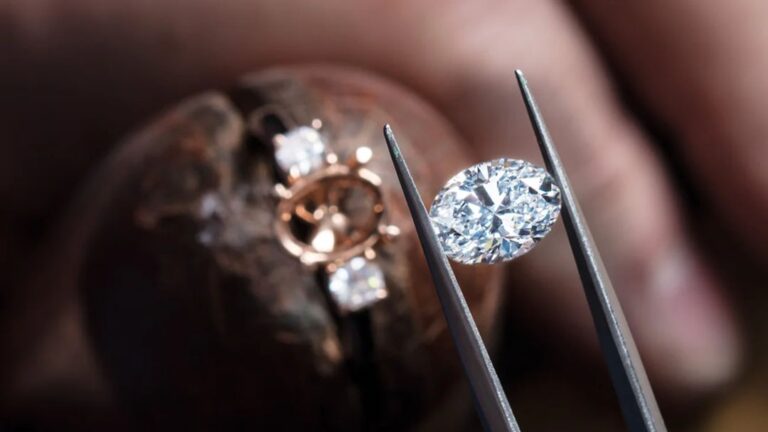
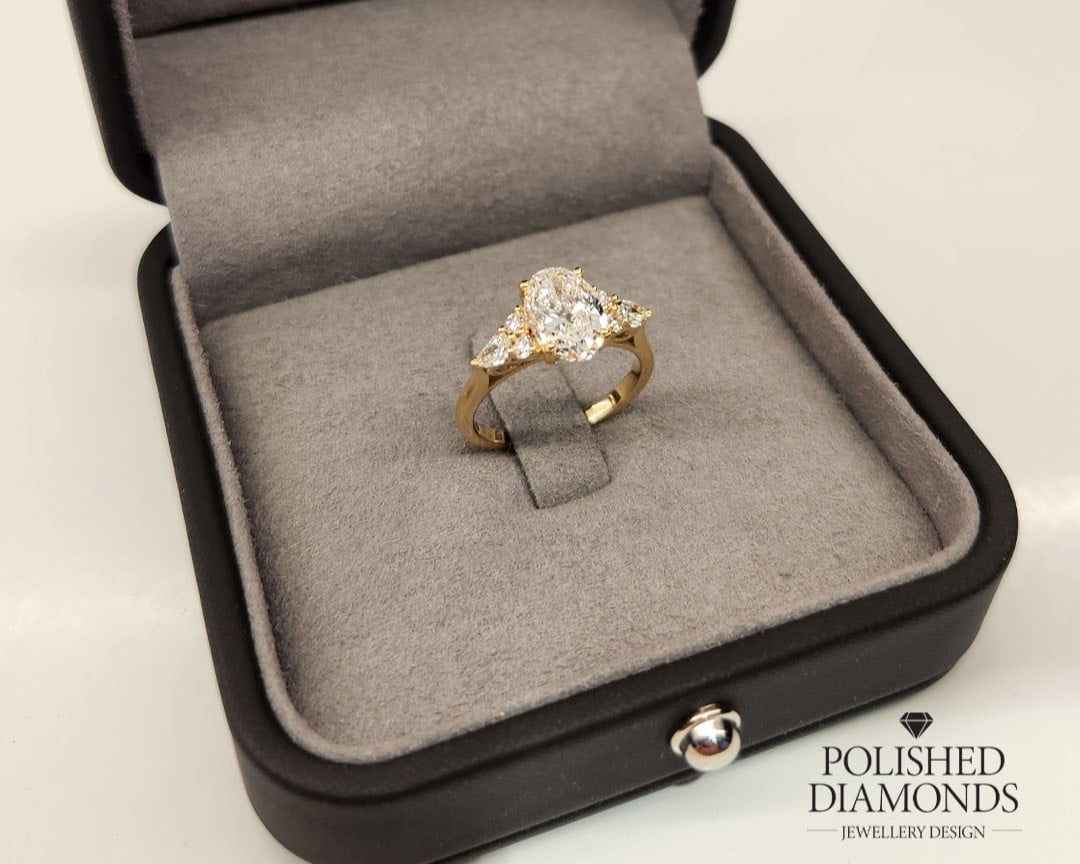
Polished Diamonds designs and creates custom diamond rings through our New Zealand jewellery workshop using advanced CAD technology and skilled craftsmanship. You can select a lab-grown or natural diamond, choose your preferred ring style and metal, and view detailed CAD renders before manufacture.
Visit our jewellery design studios in Auckland, Wellington or Christchurch, or work with our team remotely from anywhere in New Zealand.
Lab-Grown Diamond FAQs
Generally no. Specialist gemmological testing is normally required to reliably determine a diamond’s origin.
A genuine lab-grown diamond has the same fundamental durability as a natural diamond and does not simply become cloudy because it was laboratory-grown.
Yes. Their durability and brilliance make them suitable for everyday engagement rings, while their lower price can allow buyers to choose a larger or higher-quality centre stone.
Neither is inherently better. Lab-grown diamonds provide exceptional size and quality for the money, while natural diamonds offer geological rarity and natural origin. The best diamond is the one that suits your priorities, design and budget.
Lab-Grown Diamonds: Key Takeaways
- Lab-grown diamonds are real diamonds with essentially the same chemical composition, crystal structure and physical properties as natural diamonds, but a different origin.
- They generally cost considerably less because they can be manufactured at increasing scale rather than relying on finite geological supply.
- Lab-grown diamonds can offer a larger or higher-specification diamond for the same engagement-ring budget.
- Lab-grown diamond resale values can be significantly below their original retail price; natural diamonds have a more established secondary market, but neither should automatically be considered an investment.
- Independent reports from laboratories such as IGI confirm laboratory-grown origin and document characteristics including carat weight, colour, clarity and cut.
- Choosing between natural and lab-grown diamonds ultimately comes down to budget, origin, rarity and personal preference.