How to Clean a Diamond Ring Safely at Home: A JEWELLERS GUIDE
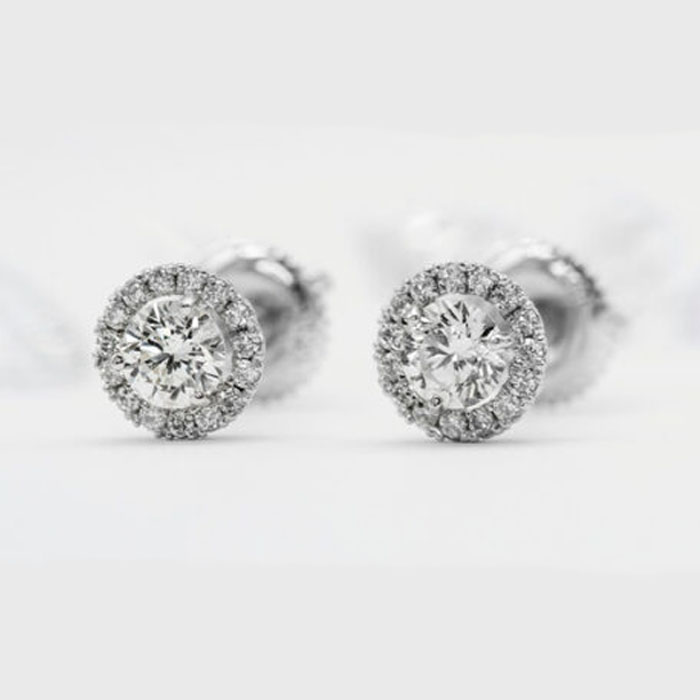
Diamond rings naturally collect hand cream, soap, cosmetics, skin oils and everyday dirt. Although diamond is extremely hard, this surface residue can quickly reduce its sparkle.
Fortunately, most diamond engagement rings can be cleaned safely at home using warm water, mild dishwashing liquid and a soft toothbrush. However, you should always check the setting first and avoid harsh chemicals or abrasive cleaners.
What You Need to Clean a Diamond Ring
Before you begin, gather:
- A small bowl
- Warm water
- A few drops of mild dishwashing liquid
- A new, soft-bristled toothbrush
- A soft, lint-free cloth
Use a bowl rather than cleaning directly over an open sink. This reduces the risk of losing your ring if it slips from your hand.
How to Clean Your Diamond Ring at Home
1. Check the Diamond and Setting
First, examine the ring in good light. Look for bent claws, visible gaps or a diamond that moves when gently touched.
Do not clean or brush the ring if the diamond appears loose. Instead, take it to a professional jeweller for inspection. Cleaning a damaged setting may loosen the stone further.
2. Prepare a Gentle Cleaning Solution
Fill a small bowl with warm water and add a few drops of mild dishwashing liquid. Avoid very hot water, particularly if the ring contains additional gemstones or has an older, delicate setting.
Place the ring in the solution and allow the oils and residue to soften.
3. Brush the Ring Gently
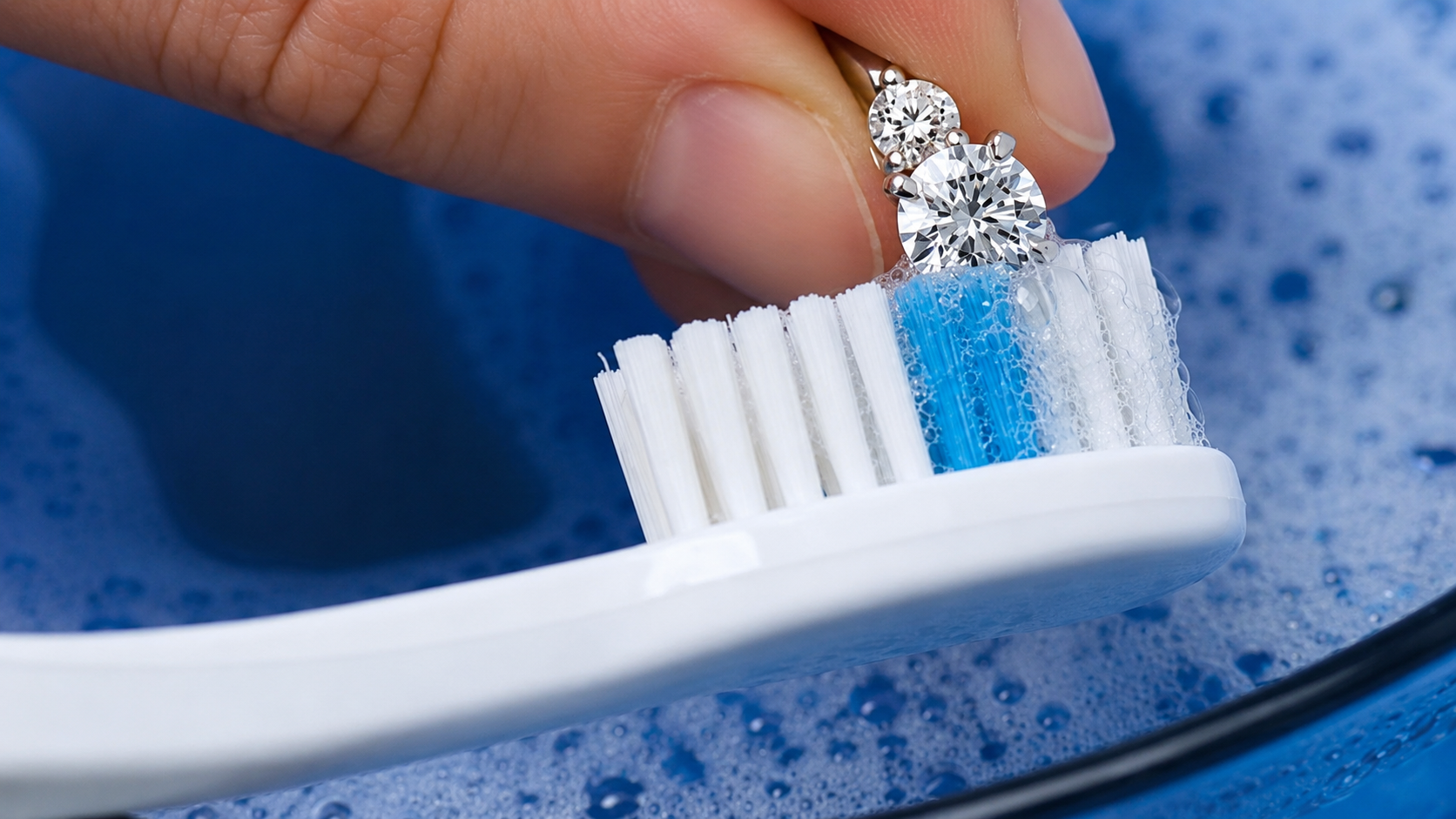
Remove the ring and use the soft toothbrush to clean around the diamond, claws and band.
Pay particular attention to the underside of the diamond. This area often collects the most oil and dirt, yet it is also important for allowing light to enter the stone.
Brush gently around pavé diamonds, fine claws, vintage details and delicate settings. Vigorous scrubbing is unnecessary and may place pressure on worn components.
4. Rinse and Dry Carefully
Rinse the ring in a second bowl of clean, warm water. Alternatively, make certain the sink drain is completely closed before rinsing it under a gentle flow of water.
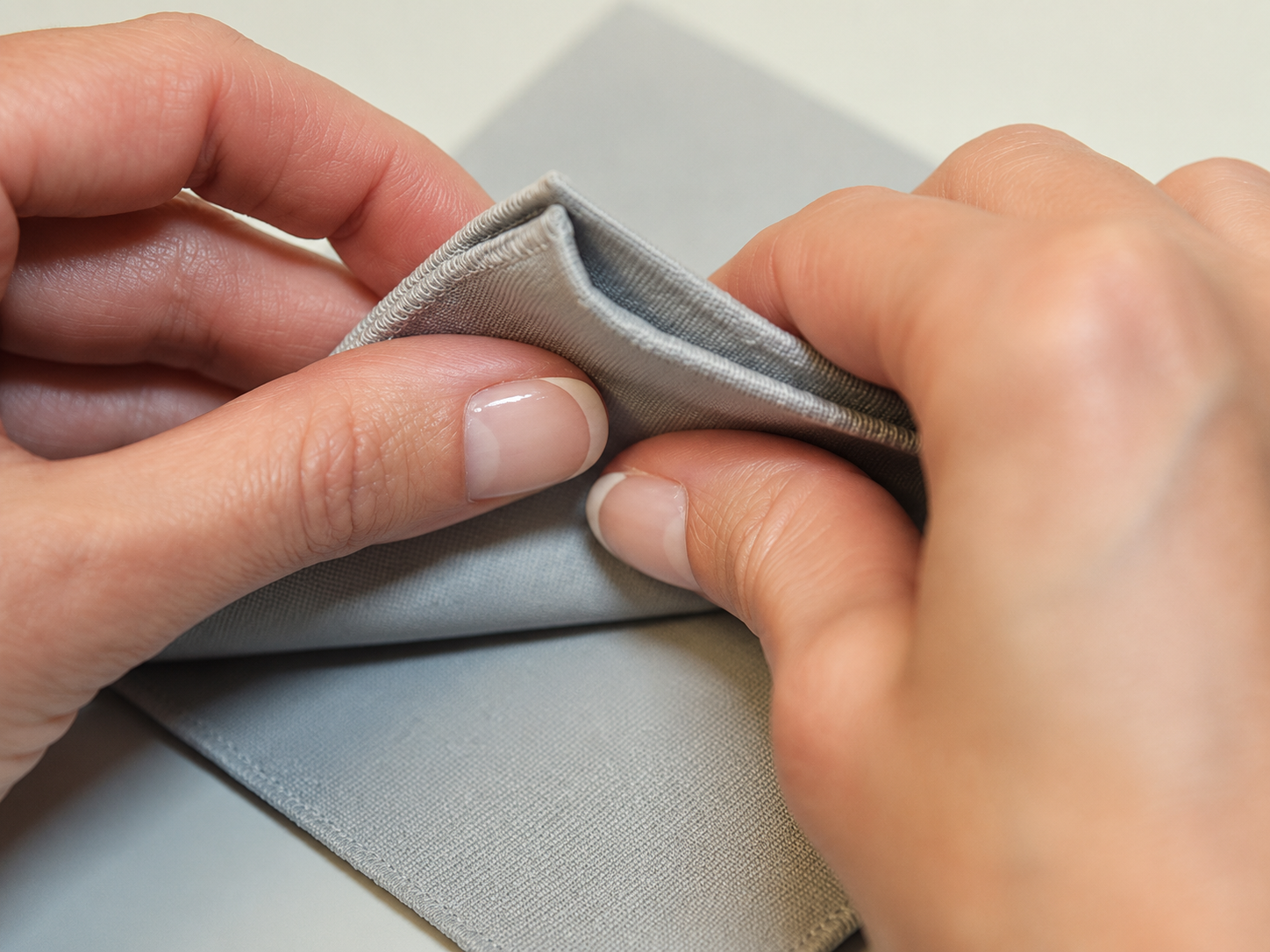
Pat the ring dry with a clean, lint-free cloth. Allow it to air-dry fully before wearing or storing it.
Avoid paper towels because their fibres may catch on claws or leave residue behind.
What Should You Not Use to Clean a Diamond Ring?
Do not clean your diamond engagement ring with:
- Toothpaste
- Baking soda or abrasive powders
- Bleach or chlorine
- Harsh household cleaners
- Hard-bristled brushes
- Unapproved jewellery-cleaning chemicals
A diamond may resist scratching, but the surrounding gold, platinum, rhodium plating and setting can still be damaged. Toothpaste and powdered cleaners are especially unsuitable because their abrasive particles may mark polished metal.
How Often Should You Clean a Diamond Ring?
For a ring worn every day, gentle home cleaning every one or two weeks can prevent oil and cosmetic residue from building up.
You may need to clean it more frequently if you regularly use hand cream, sunscreen, hair products or makeup. Between full cleans, gently wiping the ring with a lint-free jewellery cloth can help remove surface oils.
Cleaning improves appearance, but it does not replace a professional inspection.
Are Ultrasonic Cleaners Safe for Diamond Rings?
Ultrasonic cleaners use high-frequency vibrations to remove dirt from beneath diamonds and other difficult-to-reach areas. Although they can clean jewellery effectively, they are not suitable for every ring.
The vibrations may loosen an already weakened claw, damage a fractured gemstone or affect certain gemstone treatments. Therefore, a jeweller should inspect the stones and setting before ultrasonic or steam cleaning.
Visit a Polished Diamonds studio in Auckland, Wellington or Christchurch for free untrasonic cleaning for your diamond jewellery.
When Should You Not Use an Ultrasonic Cleaner?
Avoid ultrasonic cleaning if the jewellery contains:
- Emeralds, opals, pearls, turquoise, tanzanite or other delicate gemstones
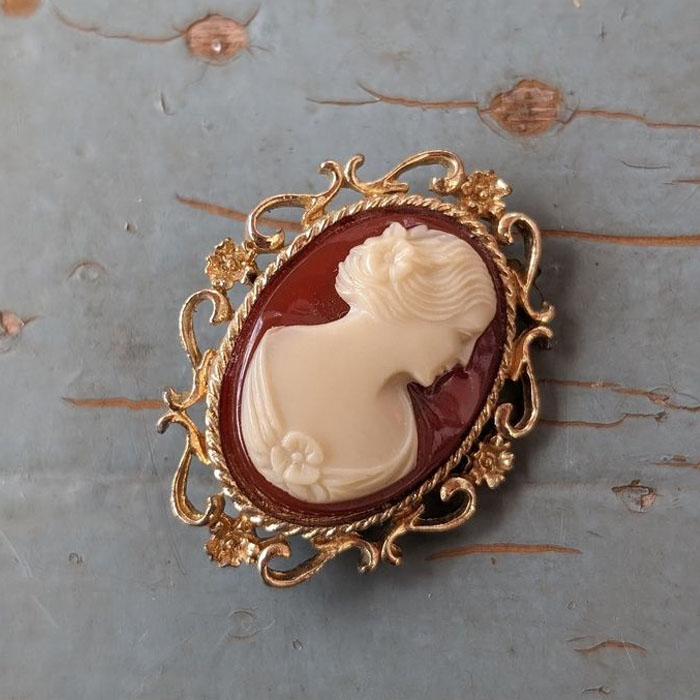
- Amber, coral or other organic gem materials
- Fracture-filled, resin-filled, oiled, dyed, coated or heavily treated gemstones
- Diamonds that have been fracture-filled or have significant surface-reaching inclusions
- Loose stones, worn claws or damaged settings
- Antique, vintage, pavé or highly detailed settings that have not been inspected
- Thin gold-plated, silver-plated or other plated finishes that may already be worn or damaged
Emeralds are commonly treated with oil or resin, while pearls and opals can be particularly sensitive to vibration, heat and cleaning solutions. Plated jewellery also requires gentle care because harsh solutions, prolonged cleaning or repeated machine cleaning may damage the thin outer finish.
When you do not know which gemstones or treatments a piece contains, use warm water, mild dishwashing liquid and a soft cloth, or ask a professional jeweller for advice.
At Polished Diamonds, professional servicing can include inspecting the ring, checking the claws, safely cleaning the setting and polishing the metal. We generally recommend a complete jewellery service and polish approximately every two years, depending on wear.
How to Keep Your Diamond Ring Clean for Longer
Remove your ring before:
- Gardening or heavy manual work
- Swimming in chlorinated water
- Cleaning with household chemicals
- Applying hand cream, sunscreen or fake tan
- Exercising with weights
- Showering or washing dishes
Store the ring in its own lined jewellery box or compartment. This prevents it from rubbing against other jewellery and protects other gemstones from being scratched by the diamond.
Frequently Asked Questions
Yes. A small amount of mild dishwashing liquid mixed with warm water is suitable for many standard diamond rings. Avoid products containing bleach, strong fragrances, moisturisers or abrasive ingredients.
A diamond often appears cloudy because oil, soap, lotion or dirt has formed a film over its facets. Gentle cleaning may restore its sparkle. If the cloudy appearance remains, ask a jeweller to inspect the stone and setting.
A standard lab-grown diamond ring can generally be cleaned using the same gentle method as a natural diamond ring. However, the setting, metal and any additional gemstones must also be considered.
Arrange an inspection if the diamond moves, a claw catches on clothing, the band is damaged or the ring remains dull after cleaning. You should also have heavily worn, antique or intricate rings professionally assessed before machine cleaning.
Polished Diamonds provides polishing, inspections, repairs and free ultrasonic jewellery cleaning through our Auckland, Wellington and Christchurch design studios. Our team can check your diamond and setting before recommending the safest cleaning method.
CLEANING A DIAMOND RING AT HOME: Key Takeaways
- To clean your diamond ring safely at home, use warm water, mild dishwashing liquid, and a soft toothbrush.
- Avoid harsh chemicals and abrasive cleaners that can damage the ring’s setting or finish.
- Check the diamond and setting for any damage before cleaning; if loose, consult a jeweller.
- For regular maintenance, clean your ring every one to two weeks to prevent buildup of oils and dirt.
- Keep your ring safe by removing it during activities like gardening, swimming, or cleaning with chemicals.