History of Engagement Rings: From Ancient Rome to the Modern Diamond Ring
The history of engagement rings stretches back centuries, evolving from simple symbols of betrothal into the diamond engagement rings we recognise today. Designs, gemstones and traditions have changed dramatically over time, but the idea behind the ring has remained remarkably consistent: a visible symbol of commitment between two people.
Diamond engagement rings did not become the dominant choice immediately. Their story includes ancient Roman rings, medieval gemstones, royal diamonds, Victorian craftsmanship, Art Deco design and one of the most influential advertising campaigns of the twentieth century.
When Did Engagement Rings Begin?
Historians trace engagement rings back to Ancient Rome, where citizens exchanged simple iron bands to signify a formal agreement to marry. Wealthier Romans could also wear gold rings, and inscriptions became increasingly common over subsequent centuries.
Why Is an Engagement Ring Worn on the Fourth Finger?
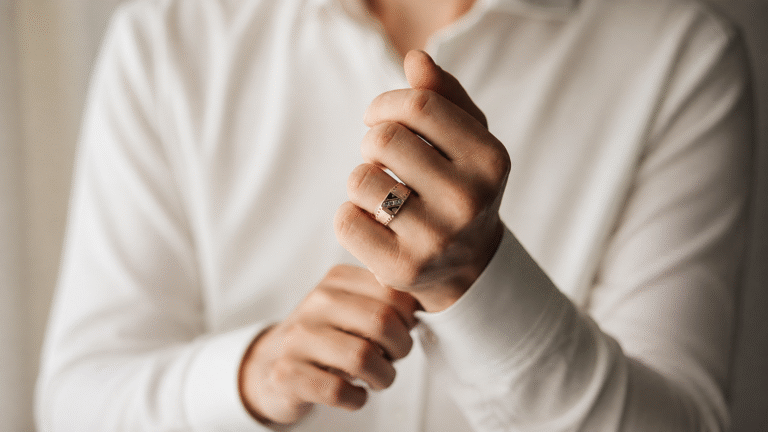
The tradition of wearing an engagement ring on the fourth finger of the left hand has ancient roots. Roman writers recorded the belief that a vein ran directly from this finger to the heart. Although this is not anatomically correct, the romantic association endured and helped establish the engagement-ring finger used throughout New Zealand and many other Western countries today.
When Was the First Diamond Engagement Ring?
One of the earliest and most famous documented diamond engagement rings dates to 1477. This was when Archduke Maximilian of Austria gave Mary of Burgundy a diamond ring to mark their engagement.
The event helped associate diamonds with aristocratic courtship and marriage, although diamonds remained extraordinarily rare and expensive for centuries afterwards.
During the Middle Ages and the Renaissance, engagement rings could feature diamonds, sapphires, rubies, and other gemstones rather than following a single style.
Georgian Engagement Rings: 1714–1830
Georgian jewellery was individually handmade, typically using gold and silver.
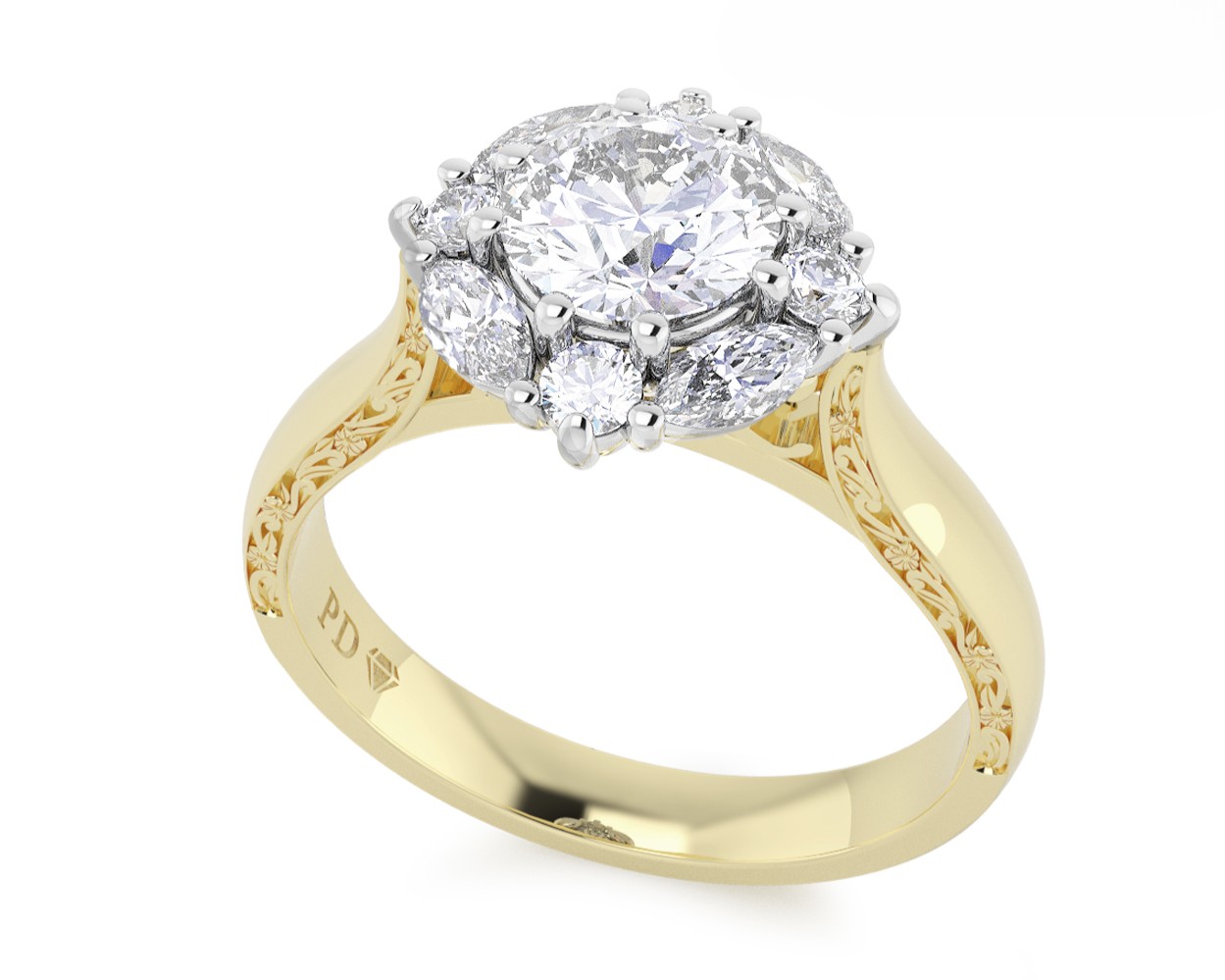
Gem cutting was far less precise than it is today, so jewellery was often designed around the natural proportions of individual stones. Rose-cut diamonds, coloured gemstones and clusters were characteristic of the period.
Diamond supplies increased following discoveries in Brazil during the eighteenth century. This aided diamond jewellery in becoming more widely available among Europe’s wealthy classes.
Many contemporary vintage-style diamond rings still take inspiration from Georgian cluster settings and handcrafted detailing.
Victorian Engagement Rings: 1837–1901
The Victorian era produced some of history’s most romantic jewellery.
Diamonds were frequently combined with coloured gemstones, pearls, flowers, hearts and symbolic motifs. Advances in diamond cutting eventually produced stones with substantially greater brilliance than earlier rose-cut diamonds.
Increasing diamond production following major discoveries in South Africa during the late nineteenth century also transformed the international diamond market.
This was particularly important for the development of the solitaire diamond engagement ring.
In 1886, Tiffany introduced its famous elevated six-prong diamond setting, allowing more light to enter the diamond. Variations of this concept remain fundamental to modern solitaire engagement-ring design.
Edwardian Engagement Rings: 1901–1915
Edwardian jewellery became lighter and more intricate.
Advances in jewellery manufacture allowed platinum to be worked into delicate settings incorporating diamonds, milgrain edges and highly detailed patterns. Platinum’s strength allowed jewellers to produce finer settings than had previously been practical.
Diamonds were frequently combined with sapphires and other coloured gemstones, creating a sophisticated style that continues to influence vintage-inspired engagement rings today.
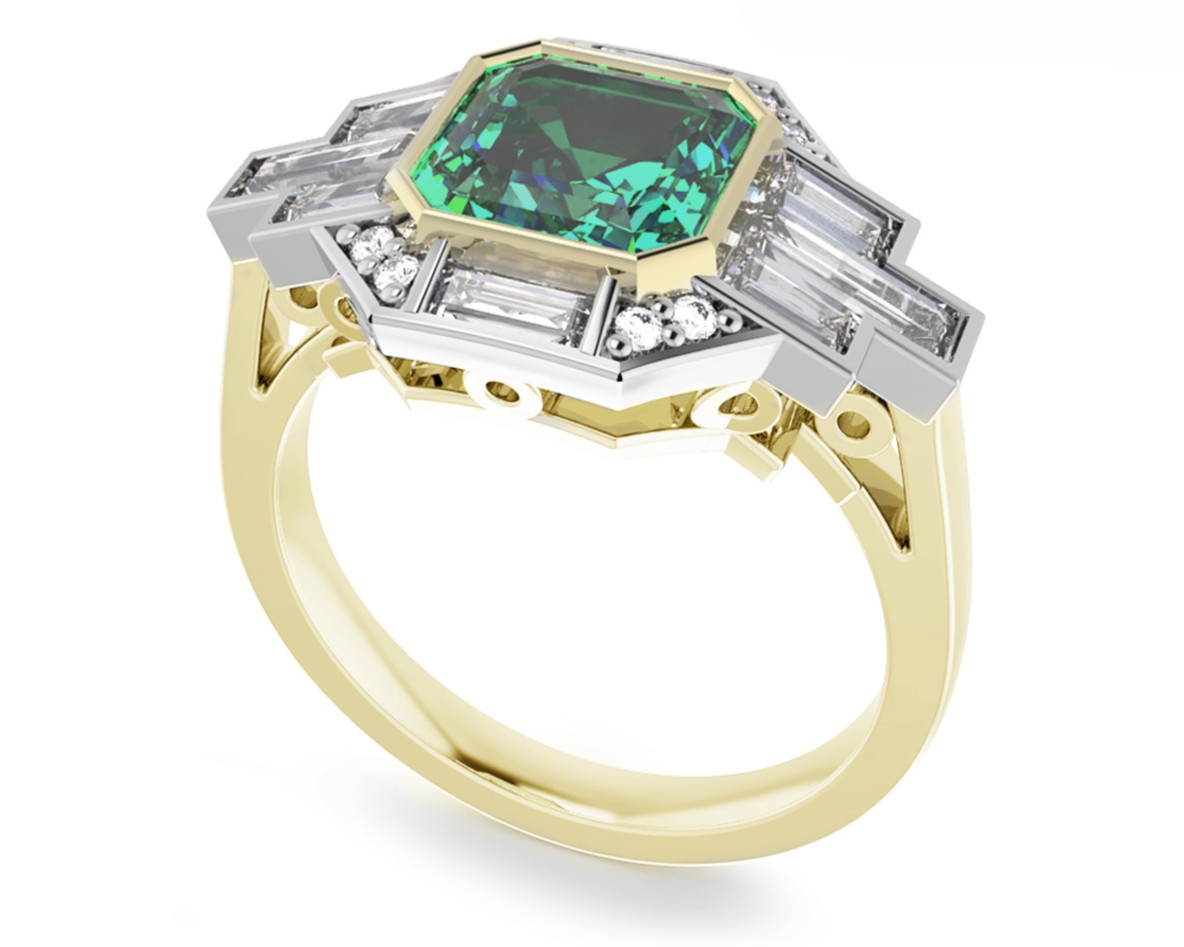
Art Deco Engagement Rings: 1920s–1930s
Where Edwardian jewellery emphasised delicacy, Art Deco engagement rings embraced geometry.
Straight lines, symmetry and bold contrasts became defining characteristics. Diamonds were often accompanied by calibre-cut sapphires, emeralds or rubies, while platinum and white gold complemented the architectural appearance.
Emerald cuts and other geometric diamond shapes remain particularly well suited to Art Deco-inspired engagement rings.
How Did Diamond Engagement Rings Become So Popular?
Diamonds were already being used for engagement rings long before the twentieth century, but they were not yet the universal choice.
That changed considerably during the 1940s.
In 1947, De Beers introduced the advertising slogan “A Diamond Is Forever.” Its marketing connected diamonds with permanence, romance, and marriage, and it became one of the most influential jewellery campaigns ever created.
Combined with increasing diamond availability and post-war prosperity, the campaign helped establish the diamond engagement ring as a cultural tradition across many Western markets.
Modern Engagement Rings: Personal Rather Than Prescriptive
Today’s engagement ring is less restricted by historical conventions.
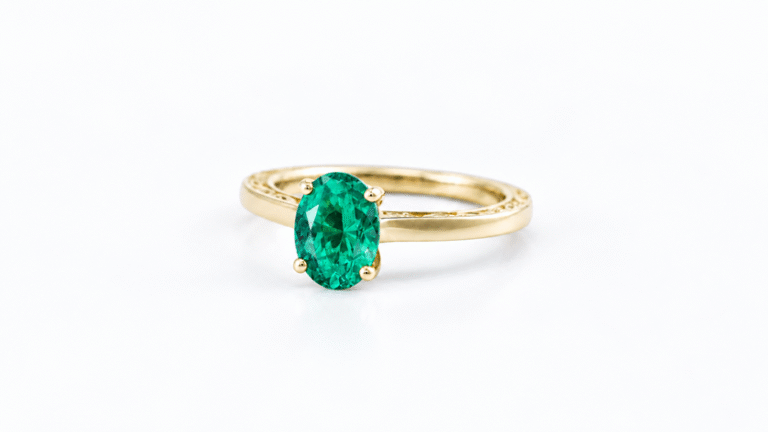
Couples can choose natural or lab-grown diamonds, coloured gemstones, various diamond shapes, and metals ranging from platinum to yellow, white, and rose gold.
Historic designs also continue to influence contemporary rings. Georgian clusters, Victorian detailing, Edwardian milgrain and Art Deco geometry can now be combined with modern manufacturing techniques.
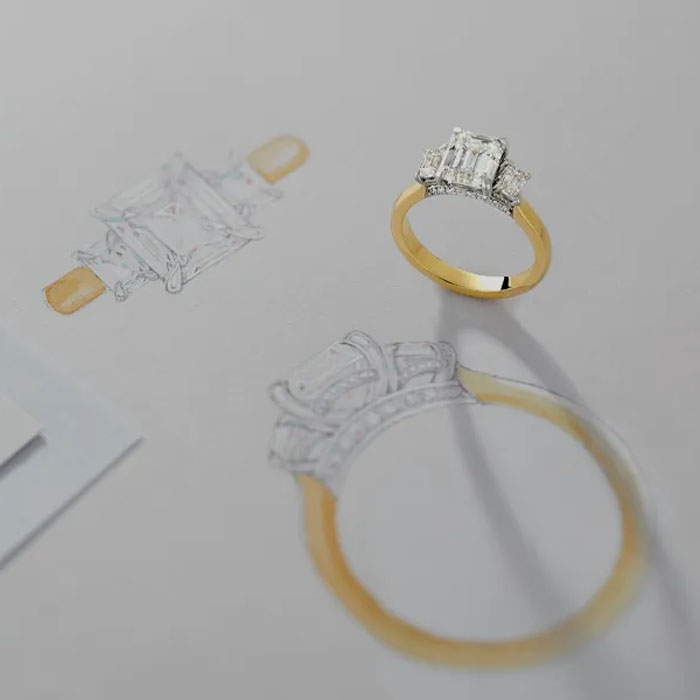
Computer-Aided Design (CAD), for example, allows the dimensions, setting, diamond position and proportions of an engagement ring to be developed in three dimensions before the ring is manufactured.
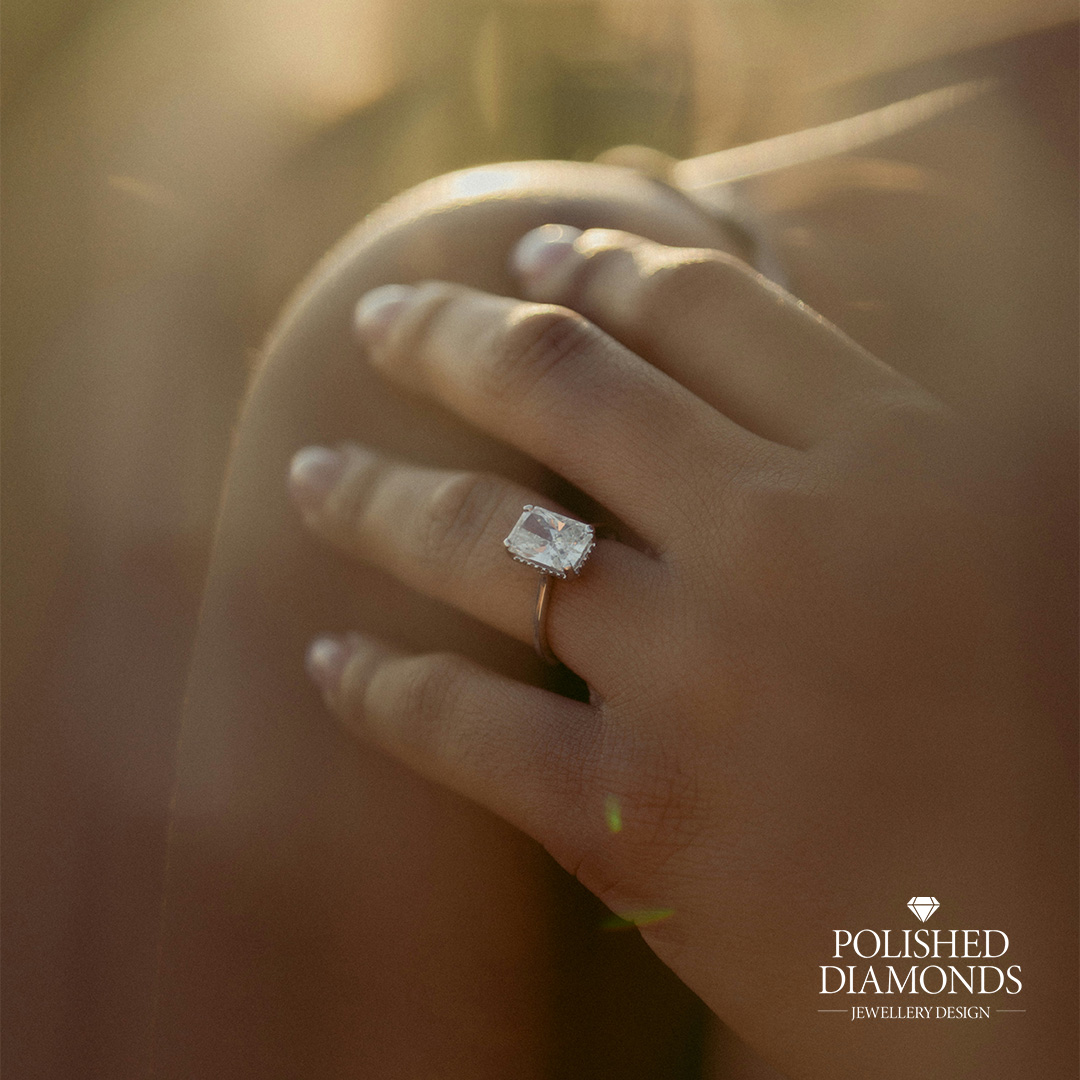
At Polished Diamonds, custom diamond rings are designed using CAD and made through our New Zealand jewellery workshop. This allows clients to create something traditional, contemporary or completely individual.
What Does the Engagement Ring Represent Today?
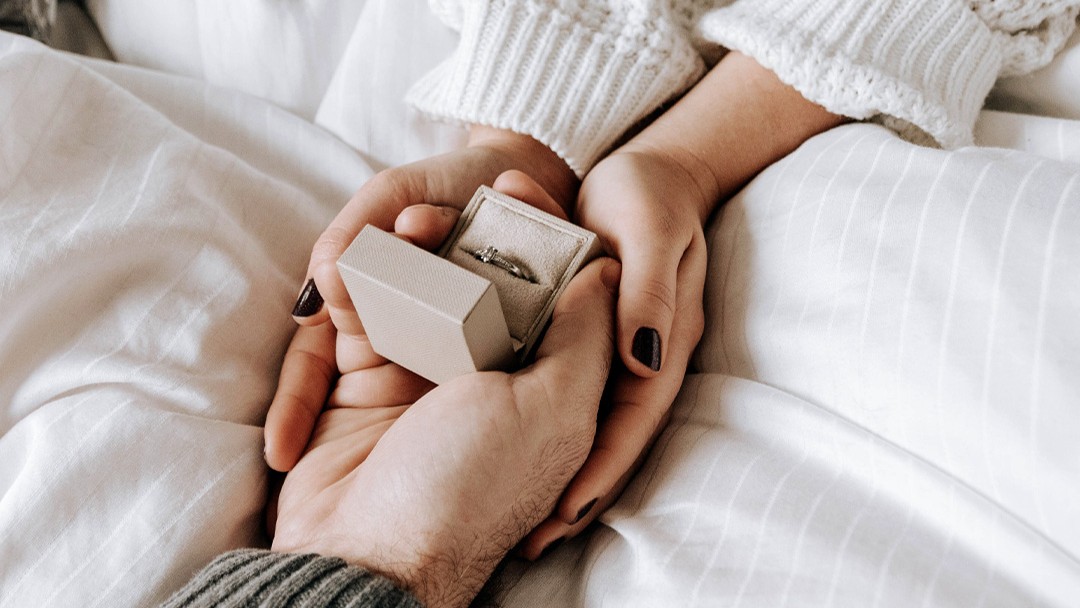
Its appearance may have changed enormously since Roman times, but the fundamental meaning of an engagement ring remains simple: a commitment to marry.
The history of engagement rings demonstrates that there has never been one compulsory design. From coloured gemstones and ornate clusters to the classic diamond solitaire, each generation has interpreted the engagement ring differently.
That makes the modern engagement ring not only part of a long jewellery tradition, but also an opportunity to create something personal for the person who will wear it.
Key Takeaways: History of Engagement Rings
- The history of engagement rings can be traced back to Ancient Rome, where betrothal rings were used as symbols of an agreement to marry. Diamonds became part of the tradition centuries later.
- One of the earliest and best-documented diamond engagement rings was given by Archduke Maximilian of Austria to Mary of Burgundy in 1477.
- Different historical periods, from Georgian to Art Deco, have influenced the design of diamond rings with varying styles and materials.
- In the 1940s, De Beers’ campaign linked diamonds to marriage, significantly boosting their popularity as engagement rings.
- Today, couples enjoy personalising diamond rings, opting for different gemstones, designs, and manufacturing techniques to suit their unique preferences.