

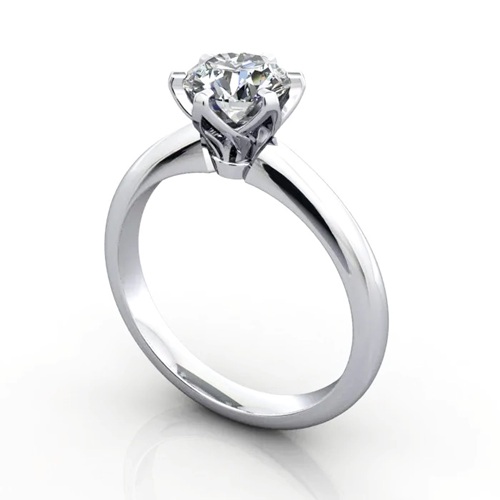
Round Brilliant Anniversary Diamond Ring Platinum RA7
$3,300Select options
This product has multiple variants. The options may be chosen on the product page
Platinum diamond rings combine a naturally white precious metal with exceptional strength, purity and a distinctive sense of luxury. Its cool white tone complements diamonds beautifully, making platinum an enduring choice for engagement rings, wedding rings and fine jewellery designed to be worn for a lifetime.
At Polished Diamonds, our platinum diamond rings are designed and made in New Zealand using advanced CAD jewellery design and skilled craftsmanship. Choose from solitaire diamond rings, diamond-accent, halo, trilogy and vintage-inspired designs, with your choice of certified natural or lab-grown diamonds.
Platinum is naturally white, so unlike white gold it does not rely on rhodium plating to create its colour. Its density also gives a platinum ring a noticeably substantial feel on the finger.
Explore our platinum diamond rings below, personalise an existing design, or work with our jewellery designers to create a custom platinum ring specifically for you.
Showing 177–190 of 190 results
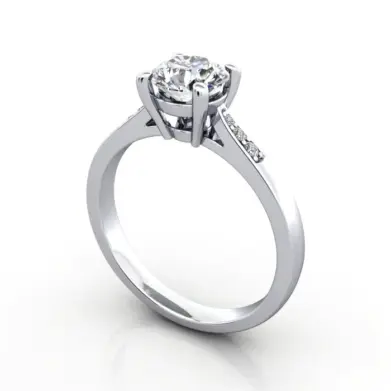
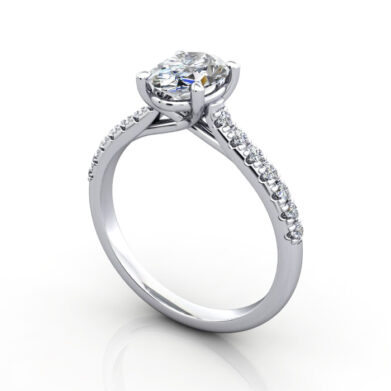
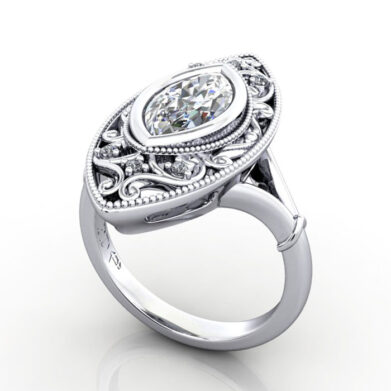
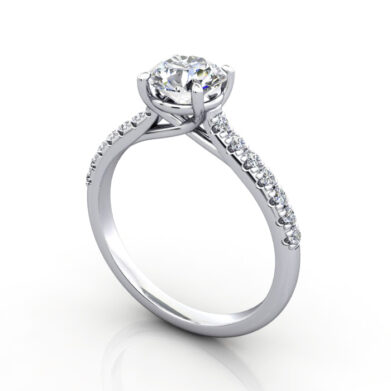
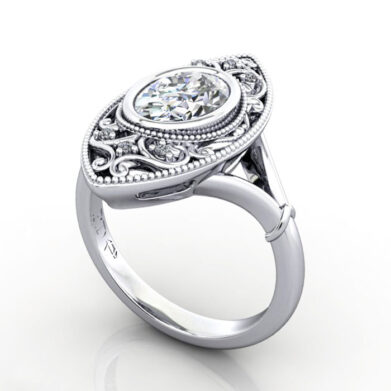
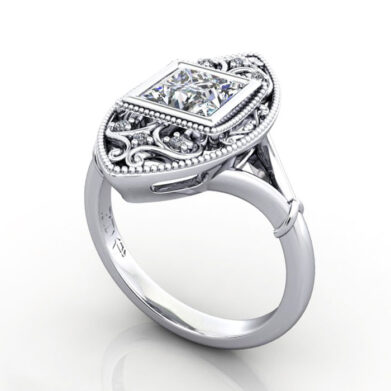
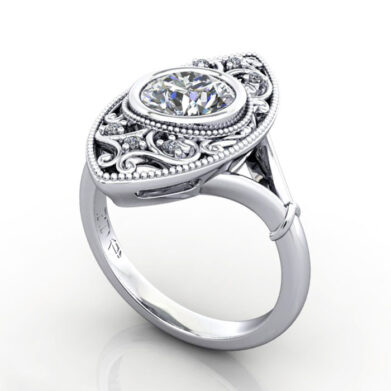
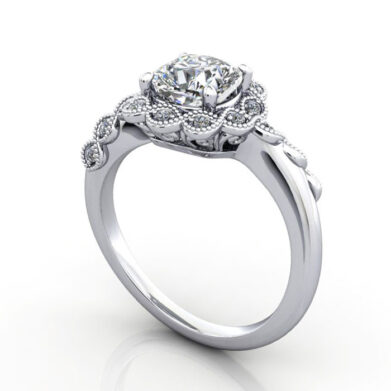
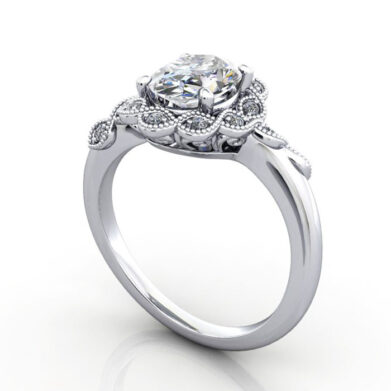
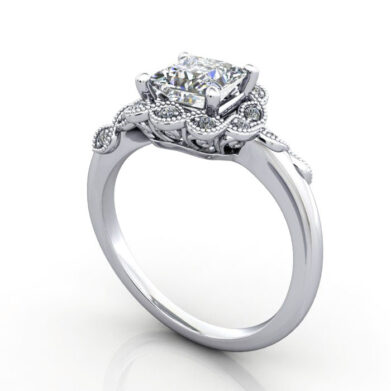
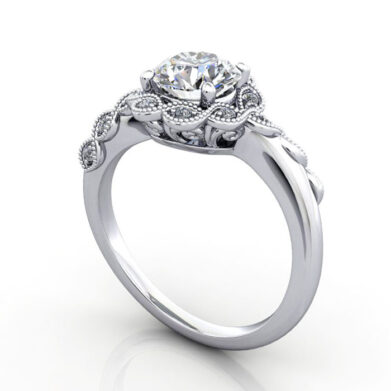
Platinum has long been associated with fine jewellery because it combines a refined appearance with practical properties particularly well suited to diamond rings.
Its naturally white colour creates a neutral setting around a diamond without introducing the warmer tones of yellow or rose gold. This is particularly attractive with colourless and near-colourless diamonds, allowing the stone to remain the visual focus of the ring.
Platinum is also dense and durable. A platinum version of the same ring design will generally feel heavier and more substantial than its gold equivalent, a characteristic many people associate with premium jewellery.
Because an engagement ring may be worn every day for decades, the choice of metal should take into account not only appearance but also how the ring will wear, feel and be maintained throughout its life.
For a more detailed comparison, read our guide to platinum engagement rings and platinum vs white gold.
Fine platinum jewellery is commonly made in Pt950 platinum.
Pt950 means that the alloy contains 950 parts platinum per thousand, or 95% platinum, with the remaining percentage consisting of metals selected to give the alloy suitable working and wearing properties.
By comparison, 18ct gold contains 75% pure gold and 14ct gold contains approximately 58.5% pure gold.
This high platinum content contributes to the metal’s characteristic weight, natural grey-white colour and association with premium jewellery.
Platinum does not need a coating to make it white. Its colour comes from the metal itself, which means there is no yellow-coloured metal underneath that becomes exposed as a surface plating wears.
Platinum and white gold diamond rings can look similar when highly polished, but the two metals are fundamentally different.
Platinum is naturally white, dense and generally used in a high-purity alloy. It does not require routine rhodium plating and tends to develop a softer surface patina with everyday wear.
White gold begins with gold that is alloyed with other metals to create a paler colour and is commonly finished with rhodium to produce its bright white appearance. It is generally lighter on the finger than an equivalent platinum ring.
Neither option is automatically better for everyone. Platinum may appeal if you prefer a naturally white metal, substantial weight and minimal colour maintenance. White gold may suit someone who prefers a lighter ring or the brighter appearance of freshly rhodium-plated jewellery.
You can also compare our yellow gold diamond rings and rose gold diamond rings if you prefer a warmer precious-metal colour.
Yes. Platinum is durable, but no precious metal used for everyday jewellery is scratch-proof.
Fine marks gradually develop on the surface of a platinum ring through normal wear. Over time these marks can combine to form the softer, satin-like appearance known as a platinum patina.
Some people prefer this natural finish because it gives the ring character as it ages. If you prefer a highly polished appearance, platinum can be professionally refinished and polished.
Regular inspection of the claws, settings and diamonds is more important than trying to keep an everyday engagement ring completely free from surface marks.
Platinum works particularly well across both traditional and contemporary diamond ring designs.
A solitaire diamond ring uses the clean white metal to keep attention on the centre diamond.
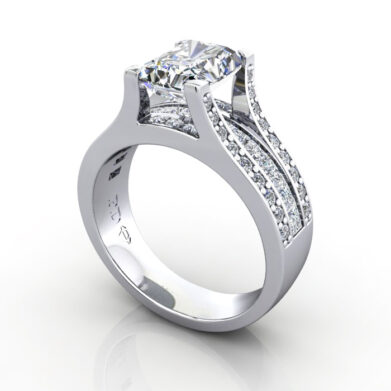
A solitaire accent diamond ring adds smaller diamonds to the band, creating extra brilliance while keeping a defined centre stone.
Halo diamond rings use platinum particularly effectively where multiple small diamonds and fine settings are incorporated around the centre stone.
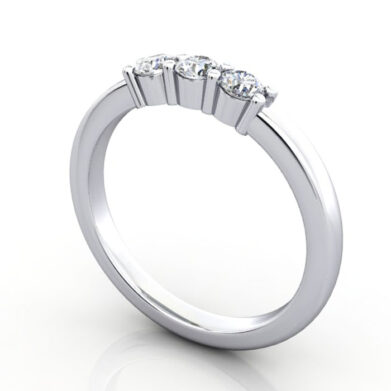
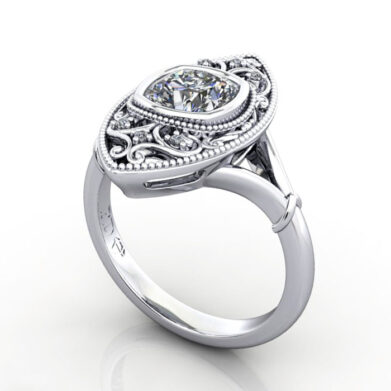
For a three-stone composition, explore our trilogy diamond rings, while our vintage diamond rings demonstrate how platinum can also be used for more intricate and detailed designs.
Because we design our rings using CAD, the amount and dimensions of platinum can be developed specifically for the proportions and structural requirements of each design.
A platinum ring can be created around either a certified natural diamond or a lab-grown diamond.
Both options pair naturally with platinum’s neutral white colour, and the ring can be designed around virtually any popular diamond shape, including round brilliant, oval, emerald, radiant, pear, princess, cushion, marquise or Asscher.
The choice between natural and lab-grown diamonds comes down to factors including origin, rarity, diamond specifications and budget rather than the suitability of the metal itself.
Explore our complete diamond ring collection to compare designs, shapes, precious metals and diamond options.
Platinum is particularly well suited to bridal jewellery because the engagement ring and wedding ring can be considered together as one design.
If your platinum engagement ring will eventually be worn beside a wedding ring, details such as setting height, band width, profile and contact points can be considered before manufacture.
CAD allows us to design the rings so they sit comfortably together rather than treating the wedding band as an afterthought.
A platinum wedding band can provide a consistent colour beside a platinum engagement ring, while mixed-metal combinations using yellow or rose gold can create deliberate contrast.
Through our Design Your Own Diamond Ring service, a platinum engagement ring can be designed specifically around your selected diamond, finger size, preferred proportions and personal style.
Our jewellery designers create a detailed three-dimensional CAD model before manufacture begins. This allows important dimensions such as setting height, claw placement, band width, diamond position and wedding-ring clearance to be accurately developed and reviewed.
You can see detailed renders of your proposed ring before it is made and refine the design before approving it for production.
Once approved, your platinum diamond ring is crafted through our dedicated New Zealand jewellery workshop, combining advanced jewellery technology with skilled craftsmanship, diamond setting and hand finishing.
This gives us direct control over the design, proportions, manufacture and final finish rather than simply supplying a generic imported setting.
Visit Polished Diamonds in Auckland, Wellington or Christchurch to view platinum diamond rings and compare platinum with white, yellow and rose gold in person.
Our jewellery designers can help you compare ring styles, diamond shapes, natural and lab-grown diamonds and precious metals before developing a ring around your preferences and budget.
You can choose an existing platinum design, personalise its proportions and diamond, or create a completely custom platinum engagement ring using CAD.
For clients elsewhere in New Zealand, our design team can also assist remotely.
In-store and virtual appointments with our jewellery specialists
Every piece is backed by our comprehensive lifetime guarantee
Flexible finance available — speak with us in studio to find the right option
GIA and IGI certified stones with full quality documentation
No products in the cart.


