Gemstone Colours: How Nature Creates Coloured Gemstones
Few materials in nature offer the range of colour found in gemstones. Deep blue sapphire, vivid red ruby, rich green emerald, blush-pink tourmaline and purple amethyst can all begin as minerals formed within the Earth, yet small differences in chemistry, pressure, temperature and crystal structure create remarkably different results.
Understanding how gemstones form and what creates their colour can make choosing a stone for jewellery even more interesting. At Polished Diamonds, we work with diamonds and coloured gemstones to create custom jewellery in New Zealand, selecting each stone for its individual colour, cut, character and suitability for the finished design.
How Are Gemstones Formed?
Most natural gemstones form through geological processes over extremely long periods. Heat, pressure, mineral-rich fluids and cooling magma can all contribute to crystal growth, depending on the gemstone.
Some gemstones crystallise as molten rock cools. Others grow as mineral-rich fluids move through cracks in the Earth’s crust. Metamorphic processes can also transform existing rocks under heat and pressure, creating the conditions for new minerals to form.
Natural inclusions, colour zoning and growth features can be part of this process, giving individual gemstones their own characteristics.
What Causes Colour in Gemstones?
Gemstone colour is largely determined by the way a mineral absorbs and reflects visible light. The mineral’s basic chemistry is important, but tiny quantities of other elements can dramatically change the colour we see.
One of the best examples is corundum, the mineral family that includes sapphire and ruby. Iron and titanium can contribute to blue sapphire, while chromium produces the red colour that defines ruby. Two gemstones from the same mineral family can therefore look completely different.
Why Do Gemstones Come in So Many Colours?
Different gemstone species respond to chemistry and light in different ways. In some stones, colour comes from trace elements that are not an essential part of the mineral. In others, a colouring element forms part of the gemstone’s fundamental chemical composition.
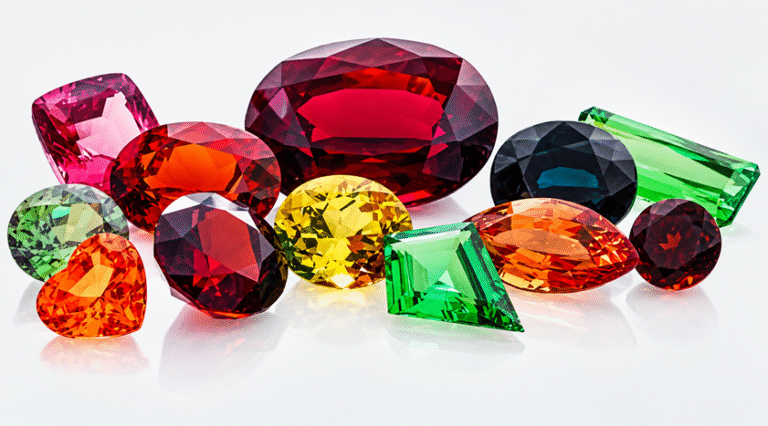
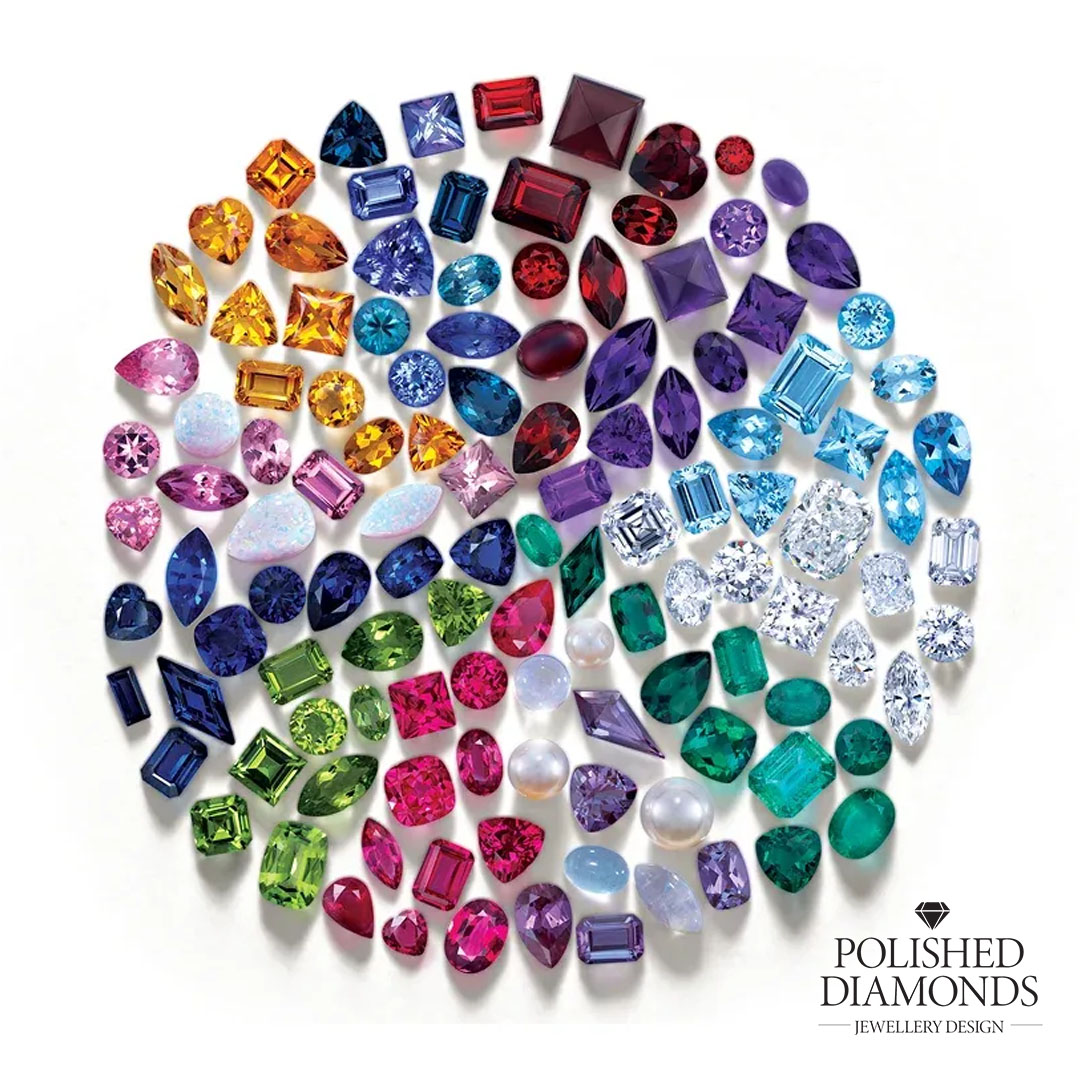
This creates an extraordinary palette:
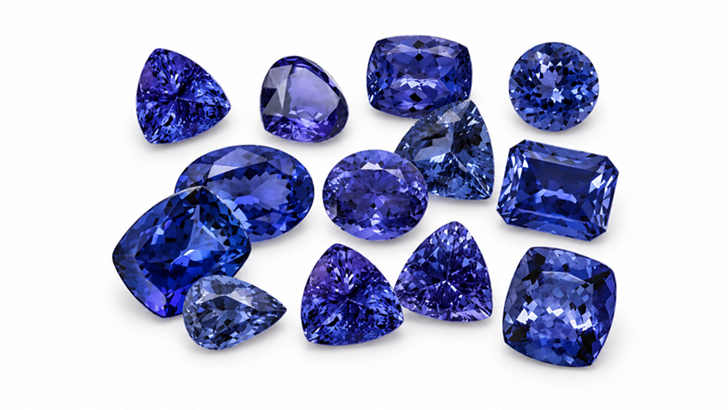
- Blue: sapphire, aquamarine, topaz and tanzanite
- Green: emerald, peridot, tourmaline and some sapphires
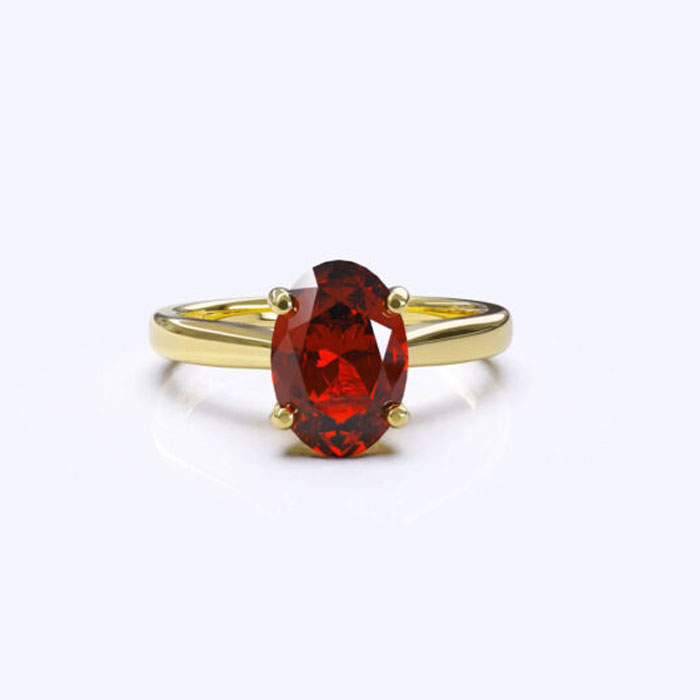
- Red: ruby, garnet and spinel
- Pink: pink sapphire, tourmaline, morganite and spinel
- Purple: amethyst, sapphire and some garnets
- Yellow and orange: sapphire, citrine, topaz and garnet
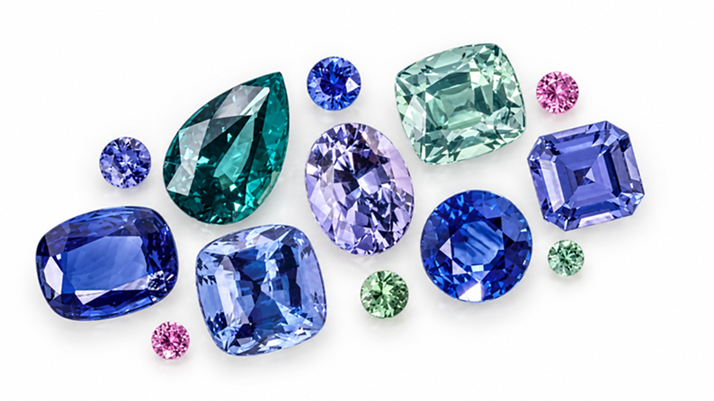
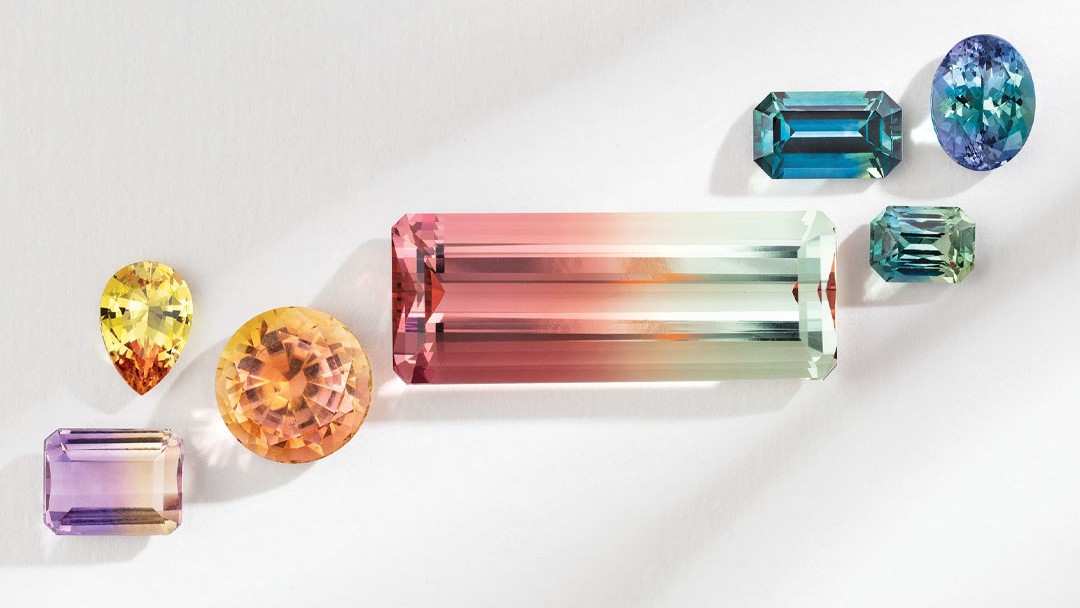
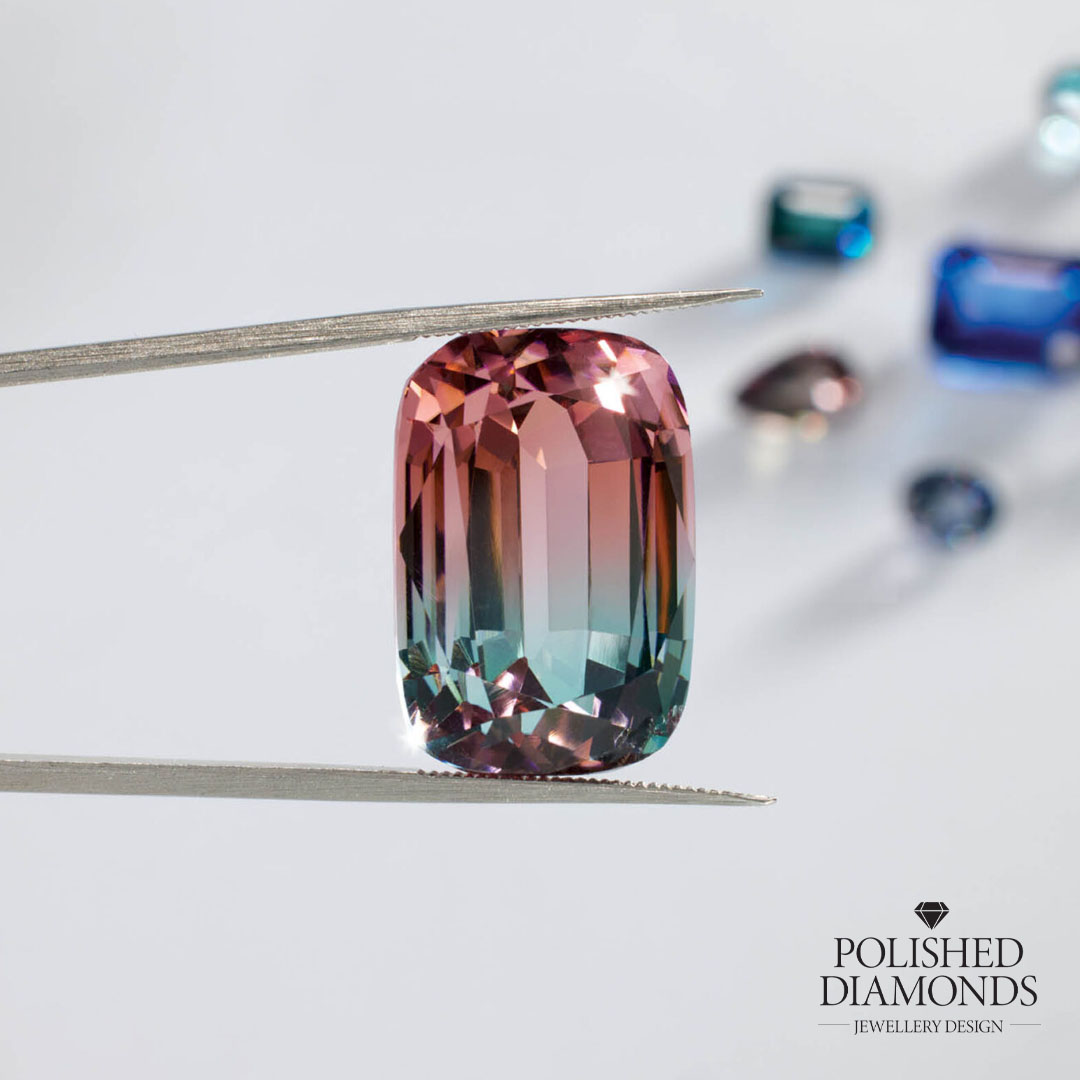
Colour can also vary within the same gemstone variety. Sapphire occurs in blue, pink, yellow, green, teal, white and other colours. Tourmaline also has an exceptionally broad palette, from pale pastels to intense greens, blues and pinks. Our pink tourmaline guide explores one of its most distinctive colour ranges, while our emerald guide looks at the characteristics behind emerald’s famous green colour.
Colour, Tone and Saturation
When choosing a coloured gemstone, the name of the stone is only the beginning. Two sapphires, rubies or tourmalines can look very different even when they belong to the same variety.
Three useful colour characteristics are:
Hue – the dominant colour, such as blue, green or red.
Tone – how light or dark the gemstone appears.
Saturation – the strength or intensity of the colour.
Personal preference matters. Some people prefer a pale, delicate gemstone, while others want deep, vivid colour. Cut also influences appearance because a gemstone’s angles and proportions affect the way light travels through it.
Colour should therefore be considered alongside clarity, cut, durability, treatments and how the jewellery will be worn.
Coloured Gemstones in Jewellery
Coloured gemstones can be used in engagement rings, dress rings, earrings, pendants and other fine jewellery. They can be the main centre stone, sit alongside diamonds or be incorporated as smaller accent stones or birthstones.
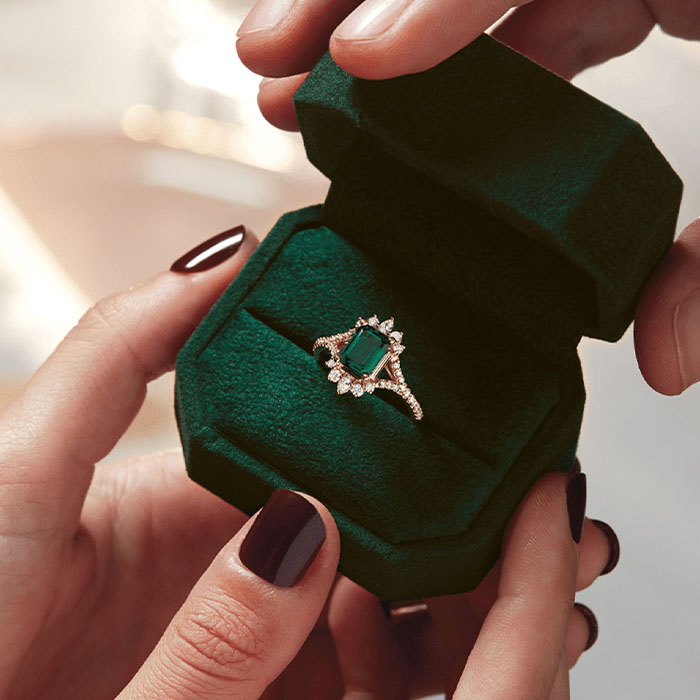
For rings worn every day, durability needs to be considered as well as colour. Sapphire and ruby are particularly durable options, while gemstones such as emerald, tourmaline and tanzanite can require more considered settings and care.
If you are choosing a gemstone for an engagement ring, our coloured gemstone engagement ring guide compares popular stones and their suitability for everyday wear.
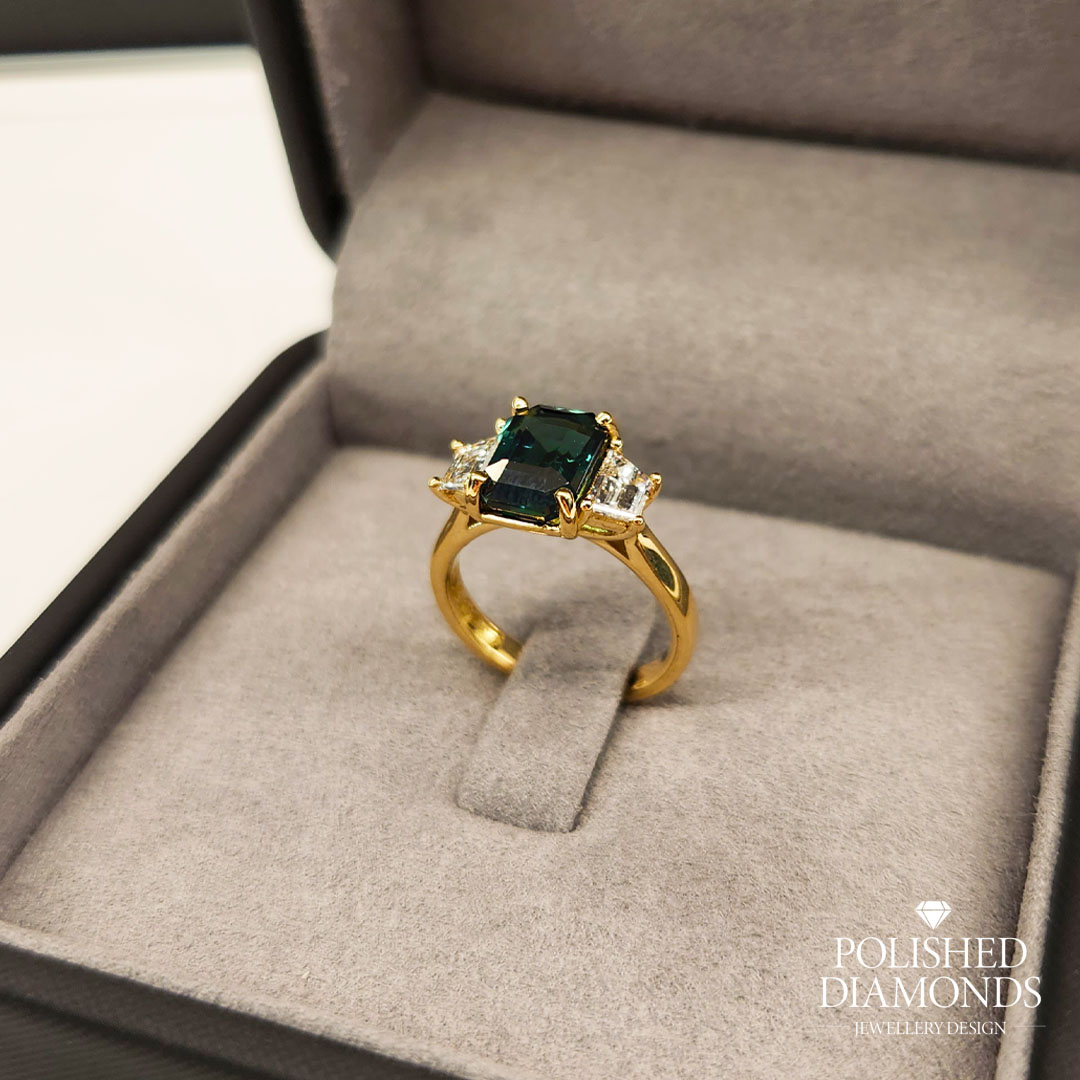
Custom design is especially useful with coloured gemstones because the jewellery can be built around the precise dimensions and proportions of the selected stone. Through our custom jewellery design service, we can source a gemstone, model the setting using CAD and create the finished piece through our New Zealand workshop.
Choosing a Coloured Gemstone in New Zealand
The best coloured gemstone is not simply the rarest or most expensive. It should suit the jewellery design, wearer’s lifestyle, preferred colour and budget.
At Polished Diamonds, we can help compare gemstones and design jewellery around a selected stone. Visit our design studios in Auckland, Wellington or Christchurch to discuss a custom piece made in New Zealand.
Frequently Asked Questions
Gemstone colour can come from the mineral’s chemical composition, trace elements within the crystal, or interactions between crystal structure and light. Small chemical differences can create major colour changes.
Yes. Ruby and sapphire are both varieties of corundum. Red corundum is classified as ruby, while corundum in other gem-quality colours is generally classified as sapphire.
Natural gemstones grow under changing geological conditions. Differences in chemistry, temperature, pressure and crystal growth can create variations in colour, clarity, inclusions and colour zoning.
Sapphire and ruby are among the strongest choices for regular wear because of their hardness and durability. Other gemstones can also work well when the setting and care requirements suit the stone.