Ruby Gemstone Guide: Colour, Quality, Value & Jewellery
Ruby is one of the world’s most treasured gemstones, admired for its vibrant red colour, exceptional rarity and enduring symbolism. Often called the “King of Gems”, ruby has represented love, passion, prosperity and protection for centuries.
As the traditional July birthstone and gemstone associated with 40th wedding anniversaries, ruby remains a meaningful choice for fine jewellery.
At Polished Diamonds, we source individual gemstones and create custom jewellery through our New Zealand workshop. Understanding ruby’s colour, quality, origin and treatments will help you select a beautiful gemstone for your jewellery design.
Ruby Gemstone at a Glance
- Colour: Pinkish red, vivid crimson, deep red and purplish red
- Mineral: Corundum (aluminium oxide)
- Birthstone: July
- Hardness: 9 on the Mohs scale
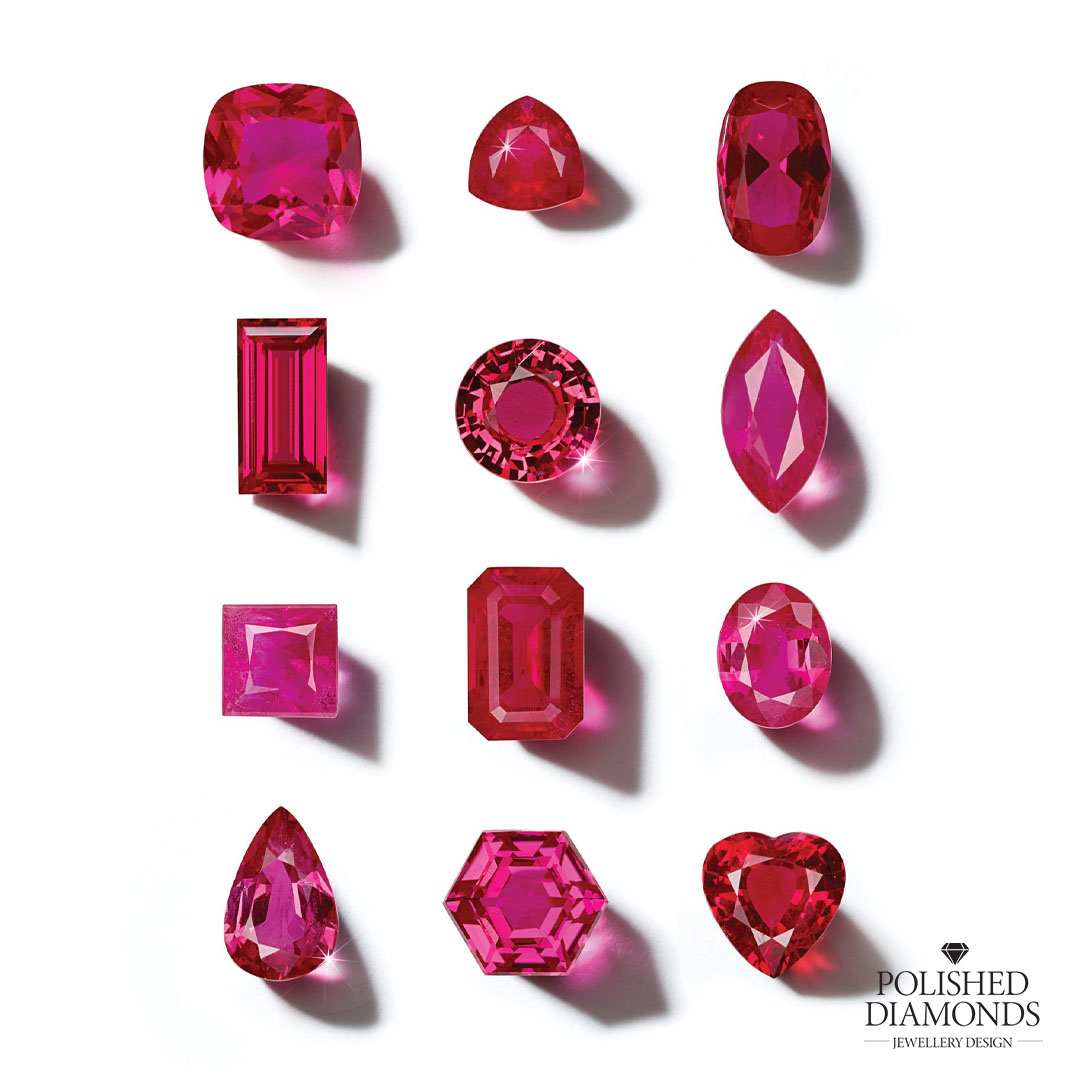
- Popular cuts: Oval, cushion, round, pear and emerald
- Best suited to: Engagement rings, earrings, pendants and bespoke fine jewellery
- Key quality factors: Colour saturation, tone, clarity, cut, carat weight and gemstone treatments
What Is a Ruby Gemstone?
Ruby is the red variety of corundum, a mineral composed of aluminium oxide. Its distinctive colour comes primarily from trace amounts of chromium within its crystal structure.
Ruby belongs to the same mineral family as sapphire. While red corundum is classified as ruby, other colours are generally classified as sapphire.
With a hardness of 9 on the Mohs scale, ruby is exceptionally resistant to scratching, making it suitable for many types of fine jewellery.
Discover more about the corundum family in our Sapphire Gemstone Guide.
What Colours Do Rubies Come In?
Although ruby is famous for its red appearance, natural rubies display considerable colour variation.
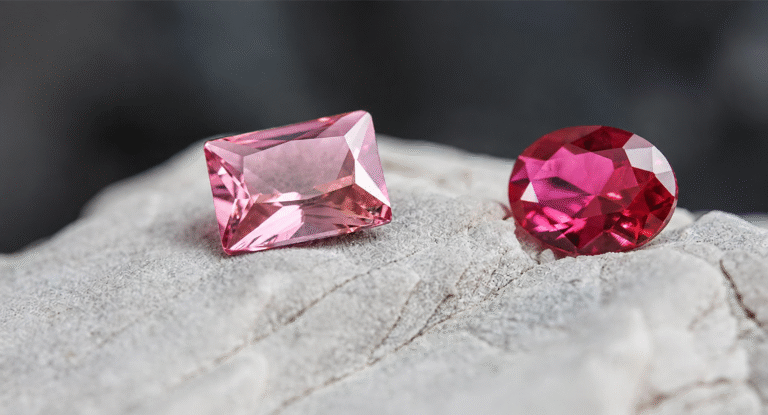
Ruby colours range from pinkish red and bright crimson to deep red and slightly purplish red.
The most prized rubies generally display vivid, well-saturated red colouring without appearing excessively dark.
What Is a Pigeon’s Blood Ruby?
The jewellery trade traditionally uses the term ‘pigeon’s blood’ to describe exceptionally vivid red rubies that display subtle purplish or pinkish undertones.
The term does not guarantee superior quality. Different laboratories may apply specific criteria, making independent certification important when purchasing valuable rubies.
Colour is usually the most significant factor influencing a ruby’s beauty and value.
Where Are Natural Rubies Found?
Rubies form naturally in several regions worldwide, with different deposits producing gemstones of varying colours and characteristics.
Myanmar
Myanmar has historically produced some of the world’s most celebrated rubies, particularly from the Mogok region. Fine Burmese rubies captivate collectors with their vivid red hue.
Mozambique
Mozambique is an important modern source of natural rubies, producing gemstones ranging from commercial qualities to exceptional vivid red stones.
Thailand and Tanzania
Thailand has historically supplied rubies displaying deeper red and purplish tones. Tanzania also produces rubies with a variety of colour and clarity characteristics.
Although geographical origin can influence value, an individual ruby’s colour, clarity, treatment and overall appearance remain essential considerations.
How Is Ruby Quality and Value Determined?
Unlike diamonds, rubies do not have a universally standardised grading system equivalent to the diamond 4Cs.
Instead, gemmologists assess several characteristics when determining ruby quality.
Colour
Colour is generally the most important consideration. A beautiful ruby should display attractive saturation, balanced tone and lively red colouring.
Clarity
Natural rubies commonly contain internal characteristics called inclusions. These may include mineral crystals, fine needles or growth features.
Cut
Ruby cutting balances colour, brilliance and preservation of the original gemstone. A well-cut ruby should display attractive light return without an excessively dark centre or obvious windowing.
Carat Weight
Large, high-quality natural rubies are exceptionally rare. As gemstone size increases, fine-quality rubies can command substantially higher prices per carat. A smaller ruby with excellent colour may be more desirable than a larger gemstone with poor saturation or transparency.
Are Rubies Heat Treated?
Miners and cutters commonly heat-treat rubies to enhance the colour and clarity of suitable natural gemstones.
A conventionally heated natural ruby remains a genuine natural ruby.
However, treatments vary significantly. Some rubies undergo fracture filling with lead glass or other enhancement processes that can affect their durability, care requirements and value.
Fine-quality unheated rubies may command substantial premiums because attractive natural colour without treatment is comparatively rare.
When purchasing a valuable ruby, request an independent gemmological report identifying its natural or laboratory-grown origin and any detectable treatments.
Natural Rubies vs Lab-Grown Rubies
Natural rubies form within the Earth through geological processes, while lab-grown rubies are manufactured under controlled conditions.
Both share essentially the same chemical composition, crystal structure and hardness.
However, natural rubies derive much of their market value from geological rarity, particularly when displaying exceptional colour and minimal treatment.
Lab-grown rubies offer an alternative for customers seeking vivid red colour at a more accessible price.
Laboratory-grown rubies should always be clearly identified rather than represented as natural gemstones.
Ruby Meaning, History and Symbolism
Throughout history, ruby has been associated with royalty, passion, courage and prosperity.
Ancient cultures regarded ruby as a protective gemstone, while European traditions connected its rich red colouring with love and vitality.
Today, ruby jewellery is particularly meaningful for July birthdays, romantic milestones and 40th wedding anniversaries.
Its distinctive colour makes ruby an expressive gemstone for jewellery intended to celebrate lasting personal connections.
Ruby Jewellery: Rings, Earrings and Pendants
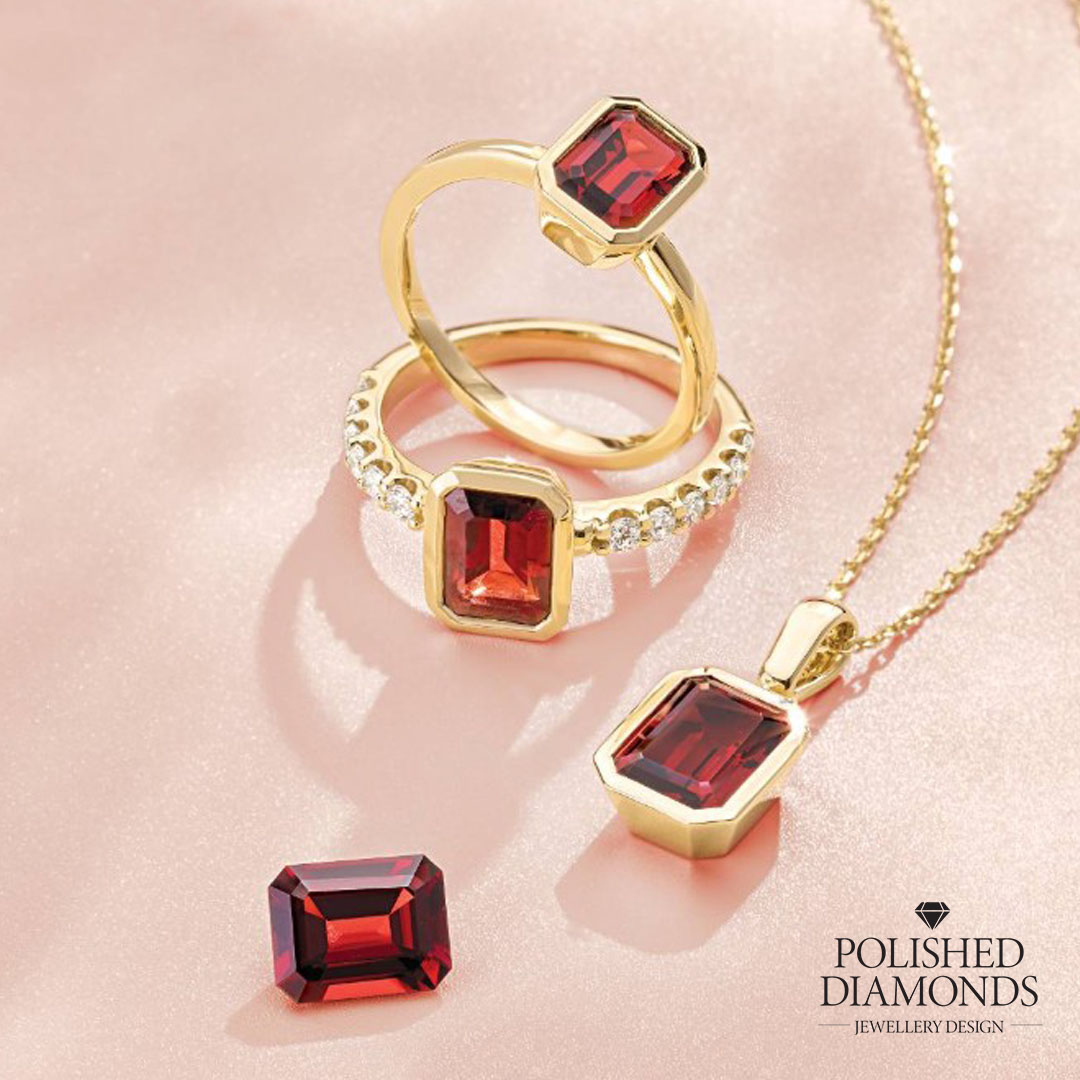
Ruby’s rich red colouring contrasts beautifully with precious metals and white diamonds.
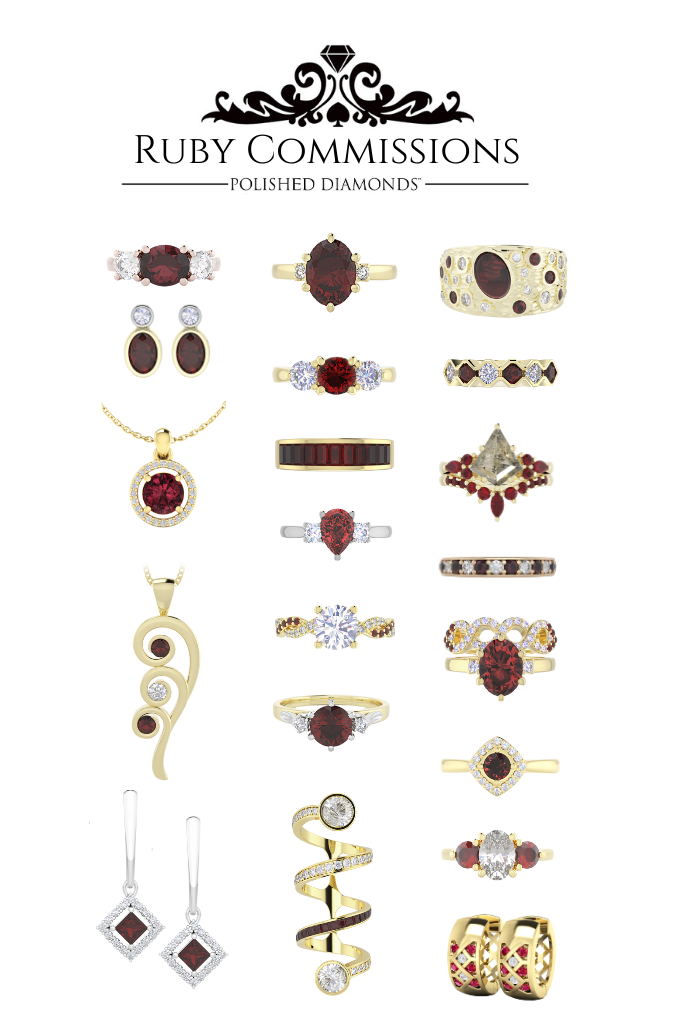
Popular designs include ruby and diamond rings, elegant drop earrings, gemstone pendants and statement cocktail rings.
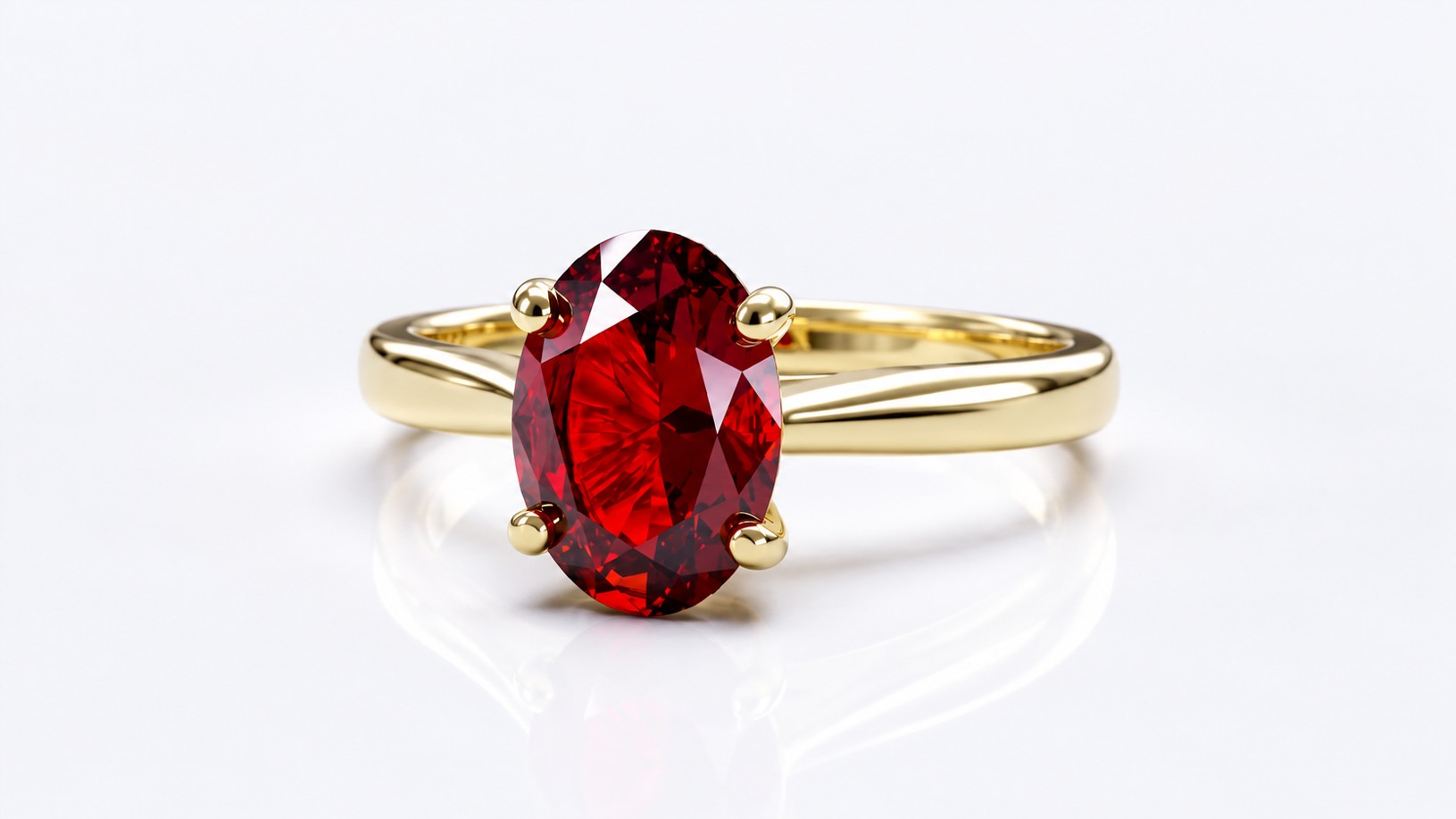
Yellow gold creates a warm, traditional appearance, while platinum and white gold emphasise ruby’s vivid red colour.
Ruby is also suitable for engagement rings, provided its treatment, durability and setting are carefully considered.
Explore our Coloured Gemstone Engagement Ring Guide for further jewellery inspiration.
Designing Custom Ruby Jewellery in New Zealand
At Polished Diamonds, we create individual ruby jewellery designs using advanced CAD technology, 3D modelling and traditional goldsmithing skills.
Our designers develop each setting around the exact dimensions and characteristics of the selected ruby, ensuring balanced proportions and secure gemstone placement.
Through our custom jewellery design service, customers can review their jewellery design before manufacture.
Visit our design studios in Auckland, Wellington or Christchurch to discuss a ruby ring, pendant or exceptional piece of bespoke fine jewellery.
Ruby Gemstone FAQs
Yes. Ruby is the traditional July birthstone, symbolising love, passion and prosperity.
Ruby measures 9 on the Mohs hardness scale, offering excellent scratch resistance. However, significant impacts can still damage the gemstone.
Fine-quality natural rubies can be exceptionally valuable, particularly when they have vivid colour, attractive clarity, significant size and no evidence of heat treatment.
Yes. Synthetic or lab-grown rubies have essentially the same mineral composition as natural rubies but are created in a laboratory rather than formed naturally.
Most untreated or conventionally heated rubies can be cleaned with warm water, mild soap and a soft brush. Avoid ultrasonic or steam cleaning unless the gemstone’s treatment and condition have been confirmed.
Ruby is red corundum with a hardness of 9. Garnet is a different gemstone group with generally lower hardness and a much broader colour range. Learn more in our Garnet Gemstone Guide.