Sapphire Gemstones: Colours, Quality & Buying Guide NZ
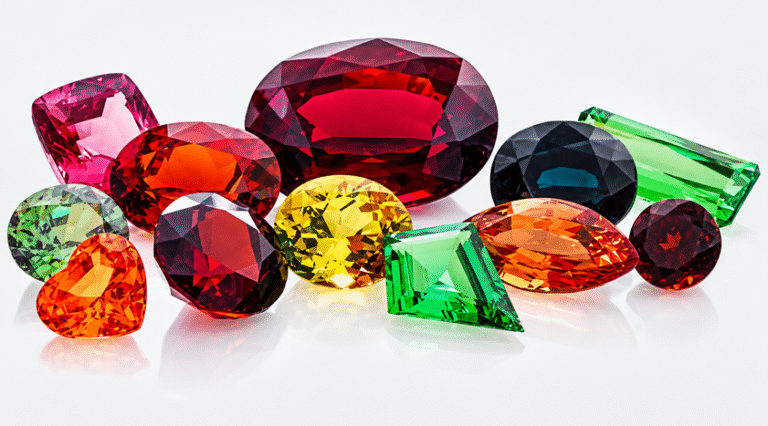
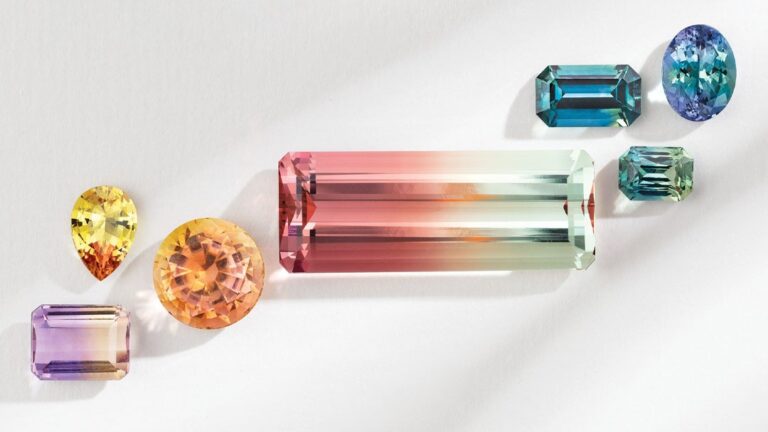
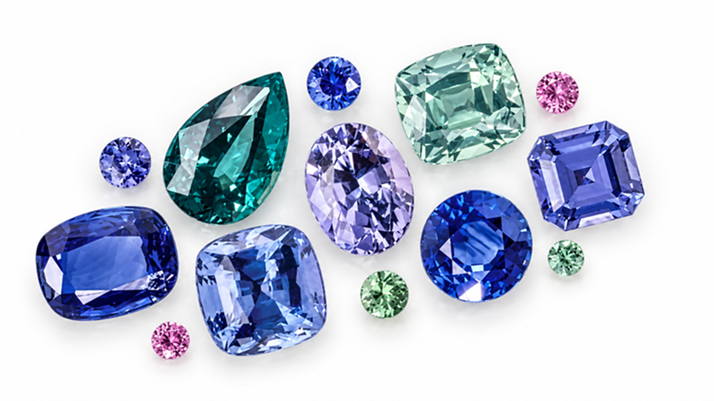
Sapphire is one of the world’s most recognised coloured gemstones. Best known for its rich blue colour, sapphire actually occurs in an extraordinary range of shades including pink, yellow, green, teal, purple, white and the rare pink-orange colour known as Padparadscha.
For jewellery, sapphire offers an important combination of colour, beauty and durability. It belongs to the mineral family corundum and measures 9 on the Mohs hardness scale, making it one of the hardest natural gemstones used in fine jewellery. This makes sapphire particularly well suited to rings and other jewellery designed for regular wear.
At Polished Diamonds, we source sapphires individually and design jewellery around the dimensions, colour and character of each gemstone. Our jewellery is designed through our New Zealand design studios and created specifically for the stone rather than trying to fit a unique gemstone into a predetermined setting.
If you are comparing sapphire with other coloured stones, our coloured gemstone engagement ring guide explains how sapphire compares with ruby, emerald and other popular gemstones.
What Is a Sapphire?
Sapphire is a variety of the mineral corundum, which is composed primarily of aluminium oxide. Red corundum is classified as ruby; virtually every other gem-quality colour of corundum can be described as sapphire.
Although blue is its most famous colour, natural sapphires occur across a remarkably broad spectrum.
The colour of sapphire is created by trace elements within its crystal structure. Differences in these elements can create dramatically different colours even though the gemstones belong to the same mineral family.
This natural variation means that two sapphires of the same weight and shape can look completely different.
What Colours Do Sapphires Come In?
Blue Sapphire
Blue remains the classic sapphire colour and ranges from lighter blue through cornflower tones to intense royal and deep blue.
Colour is one of the most important factors influencing sapphire appearance and value. A beautifully saturated sapphire that still allows light to return through the gemstone will generally appear more vibrant than a stone that is excessively dark.
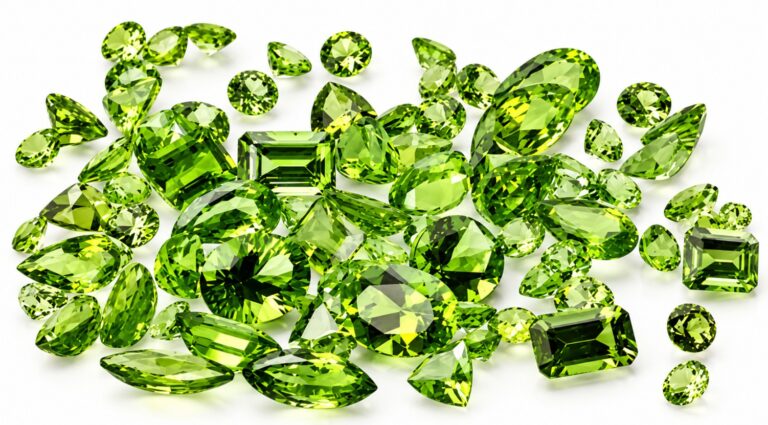
Teal and Green Sapphire
Teal sapphires combine blue and green tones and have become an appealing choice for contemporary jewellery. Depending on the individual gemstone, the balance may lean towards ocean blue, forest green or sit almost evenly between the two.
Because colour distribution varies naturally, selecting teal sapphires in person can be particularly rewarding.
Pink Sapphire
Pink sapphires range from delicate pastel pink through to intense vivid pink.
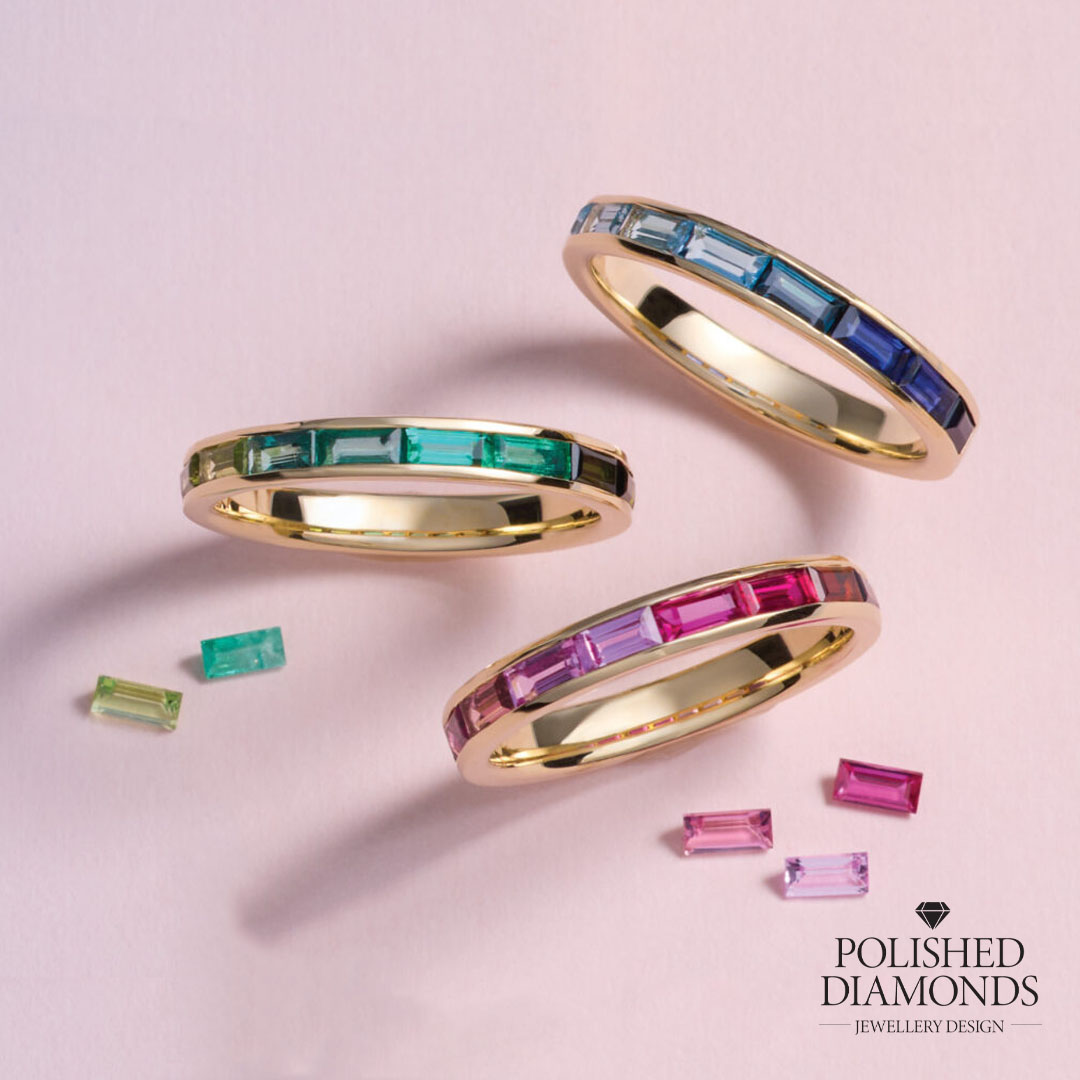
They can provide a colourful alternative to more traditional blue sapphire while retaining sapphire’s excellent hardness and durability. Pink sapphire also combines beautifully with white diamonds, platinum, white gold and warmer yellow or rose gold.
Yellow Sapphire
Yellow sapphires range from pale lemon through golden yellow to deeper shades. Bright, well-saturated stones can create striking centre gemstones while offering a significantly different appearance from conventional blue sapphire.
Purple Sapphire
Purple sapphires range from delicate lavender through violet and deeper purple tones. Their distinctive colour makes them an unusual choice for bespoke jewellery, particularly for clients wanting something less traditional than blue or pink sapphire.
White Sapphire
White or colourless sapphire contains little obvious body colour. Although visually different from blue and fancy sapphires, it is still corundum and shares the same fundamental hardness.
It should not be confused with diamond: sapphire and diamond have different optical characteristics and interact with light differently.
What Is a Padparadscha Sapphire?
Padparadscha sapphire is a rare sapphire displaying a distinctive combination of pink and orange. The name is associated with the colour of a lotus blossom and is commonly used for sapphires displaying attractive pinkish-orange to orange-pink colour.
Unlike a straightforward pink or orange sapphire, determining whether a gemstone qualifies as Padparadscha can require specialist gemmological assessment.
Colour is particularly important. Some stones have soft salmon, peach or sunset-like tones, while others lean more strongly towards either pink or orange.
Fine Padparadscha sapphires can be rare and valuable, so an independent laboratory report is worthwhile when purchasing a significant stone.
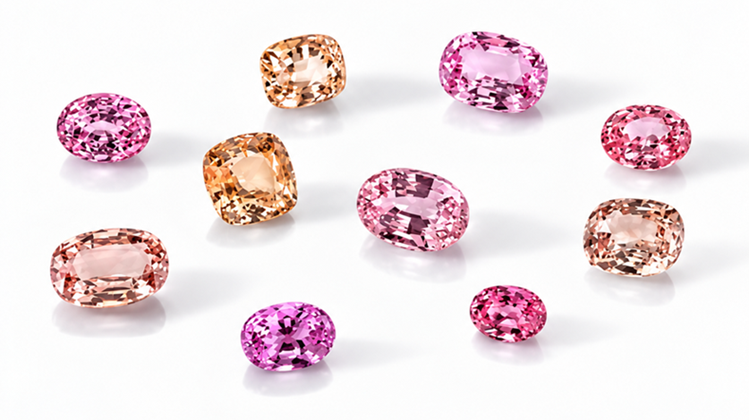
If you like softer peach and apricot colours but are not specifically seeking a certified Padparadscha, ask your jeweller to show you several sapphires side-by-side rather than buying purely according to a trade name.
How Is Sapphire Quality Judged?
Unlike diamonds, sapphires do not have a universally applied grading system equivalent to the diamond 4Cs. Each gemstone should therefore be assessed individually.
Colour
For most sapphires, colour has the greatest influence on appearance.
Consider the sapphire’s:
- hue — its basic colour
- tone — how light or dark it appears
- saturation — the strength or intensity of its colour
- colour distribution — whether the colour appears even throughout the stone
Clarity
Natural sapphires commonly contain internal characteristics or inclusions.
The objective is not necessarily to find an entirely inclusion-free sapphire. Instead, consider whether inclusions noticeably affect its beauty, transparency or durability.
Some inclusions also provide gemmologists with useful evidence about a gemstone’s natural origin and geological history.
Cut
Sapphire cutting requires skill because the cutter is balancing colour, brilliance, proportions and preservation of valuable rough material.
A good cut should make the sapphire appear lively rather than excessively dark, flat or windowed through its centre.
Oval and cushion cuts are particularly common, but sapphires can also be found in round, pear, emerald, radiant and less conventional shapes.
Carat Weight
Carat measures gemstone weight, not physical diameter.
Two one-carat sapphires can therefore have noticeably different visible dimensions depending on their shape, proportions and depth.
When designing custom jewellery, we work from the exact dimensions of the selected gemstone so the setting can be designed specifically around it.
Are Sapphires Heat Treated?
Yes. Heat treatment is common within the sapphire market and is widely accepted within the jewellery industry.
Controlled heating can improve or alter the colour and appearance of suitable natural sapphires. A sapphire that has undergone conventional heat treatment is still a natural sapphire.
An unheated sapphire is a natural sapphire for which testing finds no evidence of heat treatment. Fine-quality unheated stones can command premiums because attractive natural colour without treatment is comparatively rare.
Other treatments also exist, including lattice diffusion and fracture or cavity filling. These should not automatically be considered equivalent to conventional heat treatment.
For valuable sapphires, an independent gemmological report can help identify whether the gemstone is natural, whether detectable treatments are present and, in some cases, provide an opinion about geographic origin.
Are Sapphires Good for Everyday Jewellery?
Sapphire’s Mohs hardness of 9 gives it excellent resistance to scratching, which is one reason it has been used in jewellery for generations.
No gemstone, however, is indestructible. A sapphire can still be chipped or damaged by a significant impact, particularly around exposed edges or corners.
The setting should therefore suit both the gemstone and the way the jewellery will be worn.
If you are considering sapphire specifically for an engagement ring, see our separate guide to choosing coloured gemstones for engagement rings, which compares the practical advantages of different gemstone species.
Natural vs Lab-grown Sapphires
Lab-grown sapphires, also called synthetic sapphires, are created in a laboratory but have the same chemical composition and crystal structure as natural sapphire. They are different from sapphire simulants, which are materials made to look like sapphire without actually being corundum.
Natural sapphires generally command higher market values than comparable lab-grown sapphires, particularly when they have exceptional colour, limited treatment or documented origin. Lab-grown sapphires can offer strong colour and clarity at a lower price, but they should always be clearly disclosed as synthetic or laboratory-grown.
At Polished Diamonds, we can explain the differences between natural and lab-grown gemstones and help you choose the most appropriate option for your jewellery design.
Designing Sapphire Jewellery in New Zealand
One of the advantages of choosing sapphire is the opportunity to design around an individual gemstone rather than selecting a mass-produced piece.
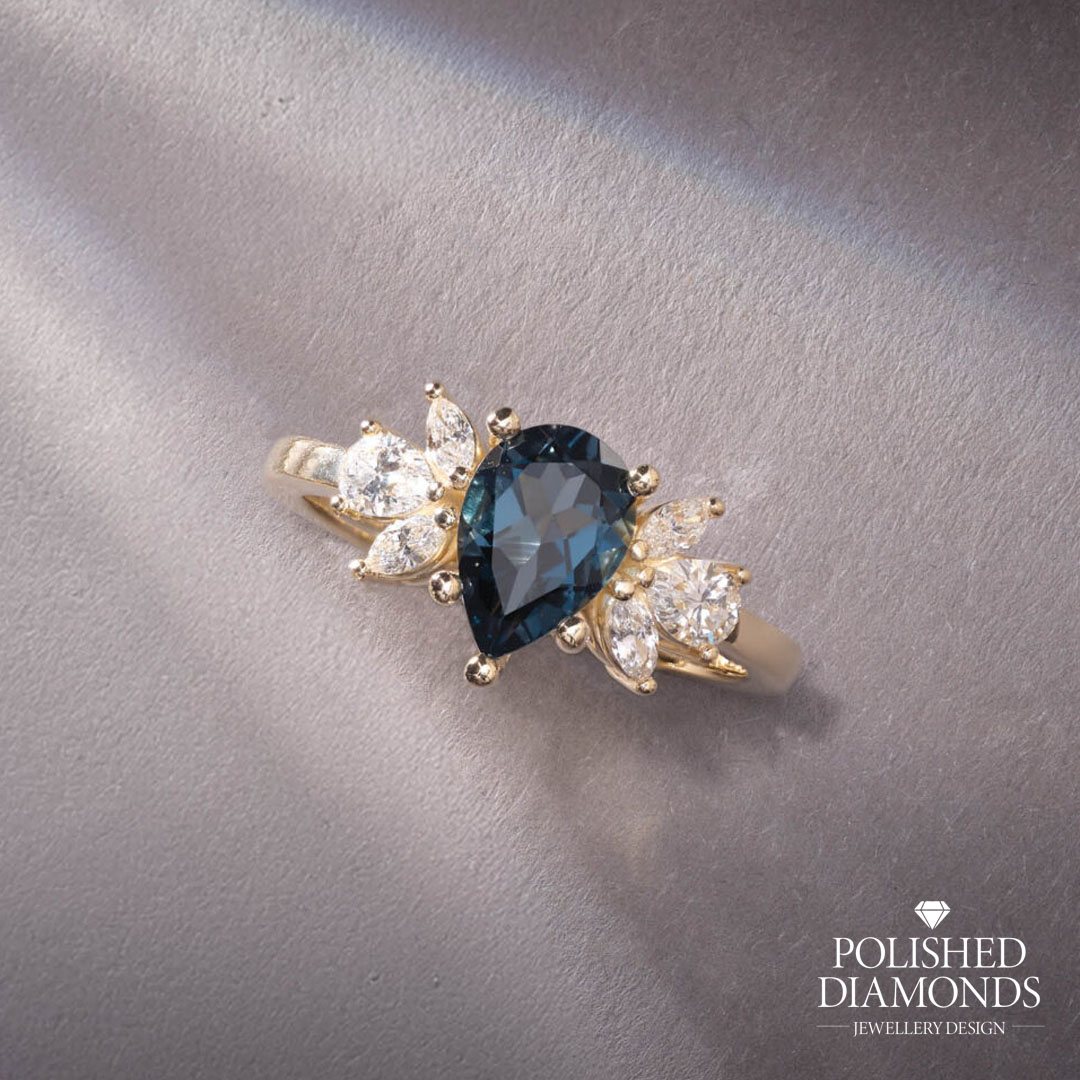
A deep blue sapphire can create a timeless design alongside white diamonds, while teal, green, pink, yellow or Padparadscha sapphires can produce something much more individual.
Polished Diamonds designs custom sapphire jewellery in New Zealand through our Auckland, Wellington and Christchurch design studios. Our designers can source individual natural or lab-grown sapphires and create the setting around the exact dimensions of your chosen gemstone using 3D CAD design.
Sapphire FAQs
No. Sapphire occurs in blue, pink, yellow, green, teal, orange, purple, white and other colour variations. Red corundum is classified separately as ruby.
Yes. Sapphire is traditionally recognised as the birthstone for September, making sapphire jewellery popular for birthdays as well as significant anniversaries and personalised jewellery.
Sapphire measures 9 on the Mohs hardness scale. This makes it one of the hardest natural gemstones used in jewellery and an excellent option for pieces intended for regular wear.
Yes. A naturally formed sapphire remains a natural sapphire after conventional heat treatment. The treatment should nevertheless be disclosed when known.
Not necessarily. Unheated sapphires can be rarer and command higher prices, particularly when their natural colour is exceptional. A beautifully coloured heated sapphire may offer better value depending on your priorities.
There is no single best colour. Blue sapphire is the traditional choice, but pink, teal, green, yellow and Padparadscha sapphires can all be exceptional. The best sapphire is one with a colour you love, attractive cutting and suitable quality for the intended piece of jewellery.
Yes. The terms synthetic sapphire and lab-grown sapphire generally refer to sapphire created in a laboratory rather than mined from the earth. They have the same basic mineral composition as natural sapphire but a different origin. They should not be confused with imitation sapphire or coloured glass.