Garnet Gemstone Guide: Colours, Varieties & Jewellery
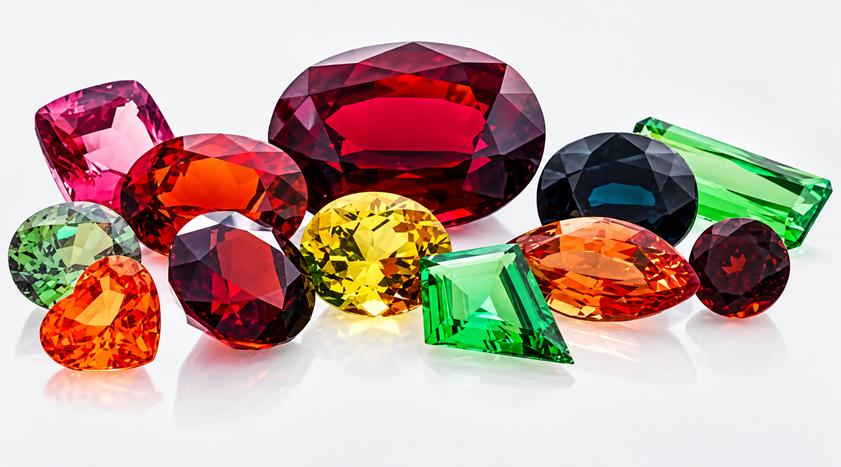
While most people picture garnets as deep red gems, the garnet family encompasses a vibrant spectrum of colours and varieties. Garnets can occur in rich reds, raspberry and purple tones, vivid orange, yellow and exceptional shades of green, with some rare stones even displaying dramatic colour-change effects.
Celebrated as the January birthstone, clients have treasured garnet in fine jewellery for thousands of years, and this versatile gemstone still creates striking rings, earrings, pendants, and bespoke pieces today.
At Polished Diamonds, we can source coloured gemstones and incorporate them into jewellery designed specifically for you. If you are exploring colour beyond traditional diamonds, our coloured gemstone guides are a useful place to compare different gemstone families, colours and characteristics.
Garnet at a Glance
- Colours: Red, purple-red, orange, yellow, green and colour-change varieties
- Mohs hardness: Approximately 6.5–7.5
- Birthstone: January
- Anniversary: Second wedding anniversary
- Popular varieties: Pyrope, almandine, rhodolite, spessartine, tsavorite, demantoid and Mali garnet
- Popular jewellery: Rings, earrings, pendants and custom gemstone jewellery
- Best known for: A much wider range of colours than traditional deep-red garnet
What Is Garnet?
Garnet is not one individual gemstone. This title defines a family of closely related silicate minerals that share a similar crystal structure yet differ in their exact chemical composition.
These differences create the surprisingly broad range of garnet colours and varieties available.
Red garnets are the most familiar, but colour is one of the qualities that makes this gemstone family particularly interesting. Depending on the variety, garnet can appear:
- Deep red
- Purplish red
- Raspberry pink
- Orange
- Yellow
- Brown
- Yellow-green
- Intense green
- Colour changing under different lighting
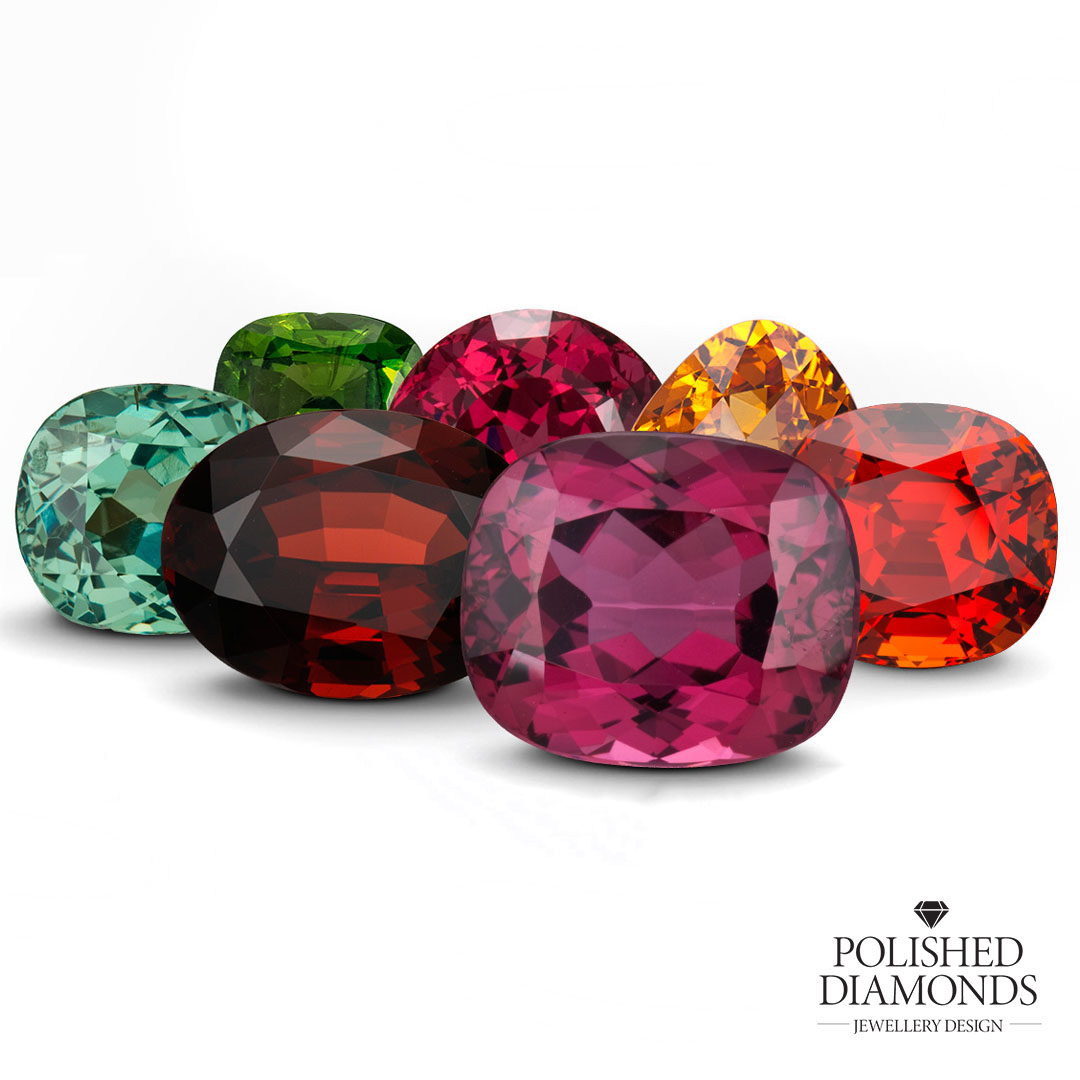
If gemstone colour is important to your jewellery design, our guide to how gemstones get their colours explains why different minerals can produce such extraordinary shades.
Garnet: The January Birthstone
Tradition marks garnet as the January birthstone, while modern fine jewellery celebrates it as the classic second wedding anniversary gemstone.
The name garnet is believed to originate from the Latin granatus, meaning pomegranate, reflecting the resemblance between traditional red garnets and the deep red seeds of the fruit.
Garnets have been used in jewellery since antiquity, including pieces from ancient Egypt and Rome. Today, their appeal is less about folklore and more about the extraordinary choice of colours available within a single gemstone family.
For someone born in January, garnet jewellery can be both personal and surprisingly individual, particularly when lesser-known varieties such as green tsavorite, orange spessartine or raspberry-coloured rhodolite are considered.
Popular Types of Garnet
There are several important garnet species and varieties used in fine jewellery.
Pyrope and Almandine Garnet
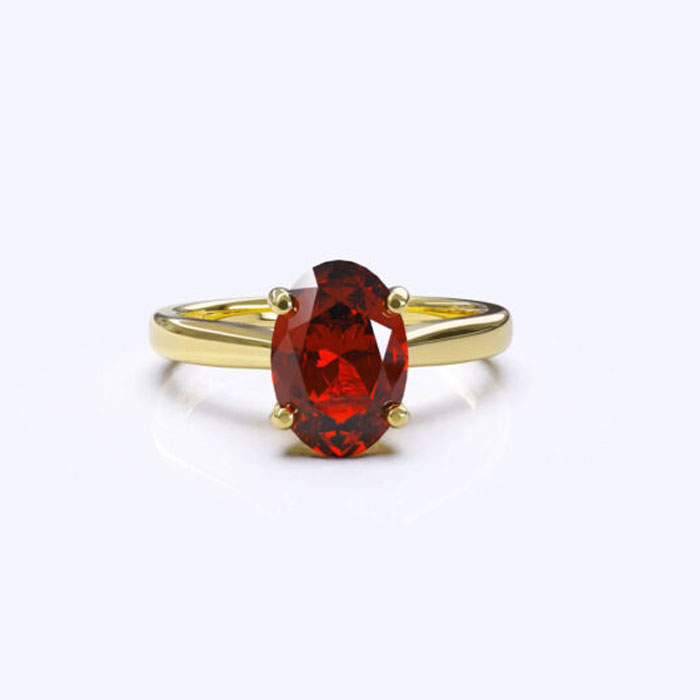
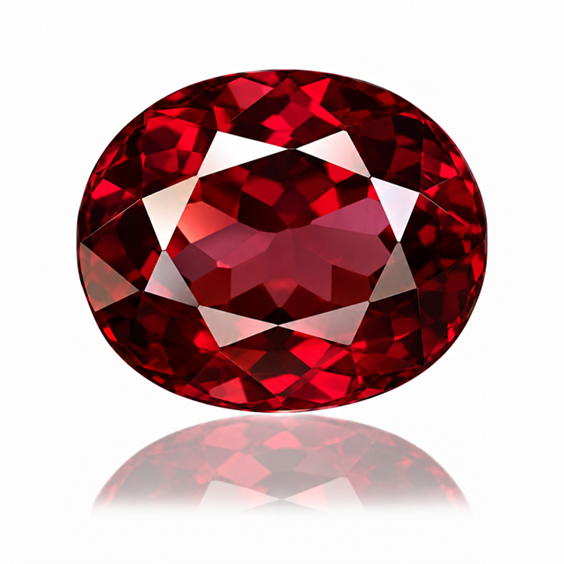
Pyrope and almandine produce many of the classic red garnets associated with the gemstone.
Their colours can range from deep crimson and burgundy through to purplish red. They can offer excellent colour at relatively accessible prices, making them attractive for earrings, pendants and dress rings.
Rhodolite Garnet
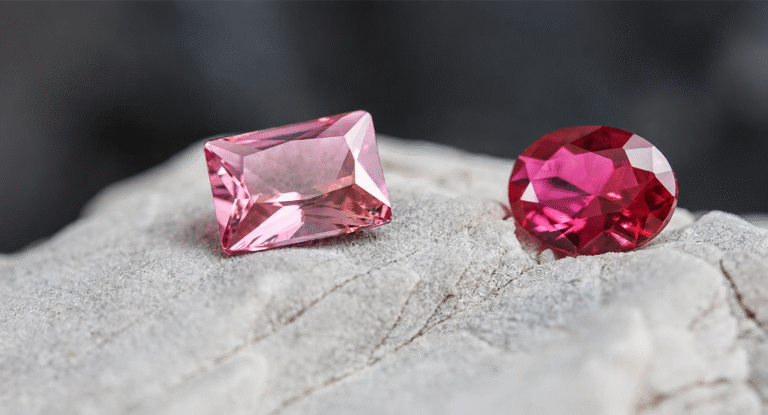
Rhodolite typically displays beautiful raspberry, rose-red or purplish-red tones.
Rather than being a separate garnet species, rhodolite is generally a mixture within the pyrope-almandine garnet series. Its brighter colour can give it a more contemporary appearance than traditional dark-red garnet.
Spessartine Garnet
Spessartine is famous for its intense orange and yellow-orange colours.
Exceptional examples can show vivid mandarin-orange tones, making spessartine an interesting gemstone for clients wanting jewellery that feels bright, warm and distinctive.
Tsavorite Garnet
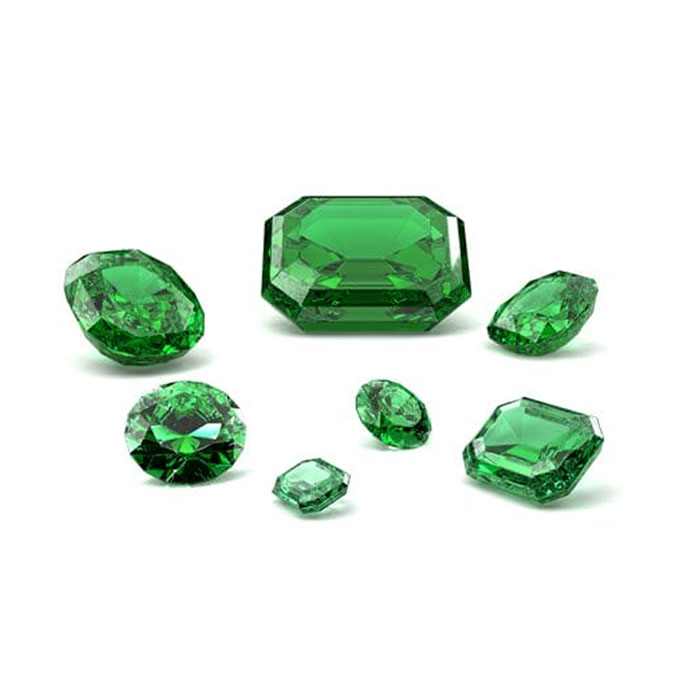
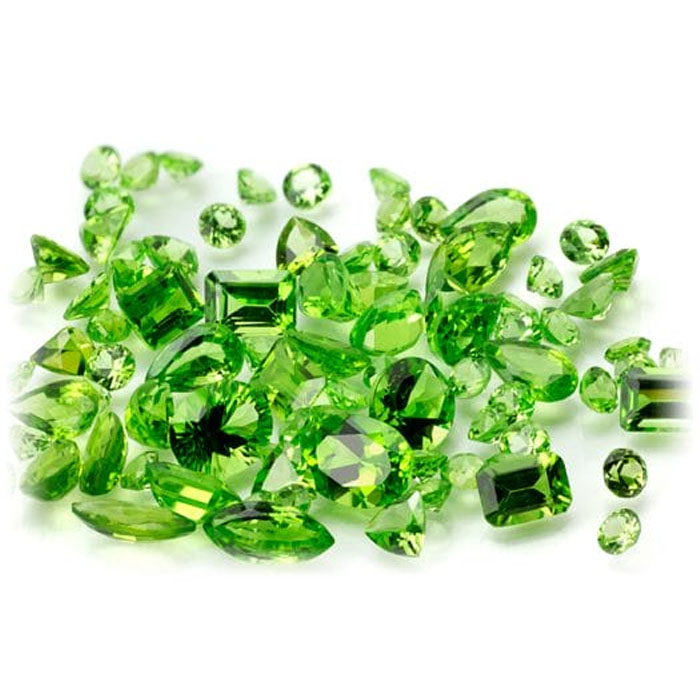
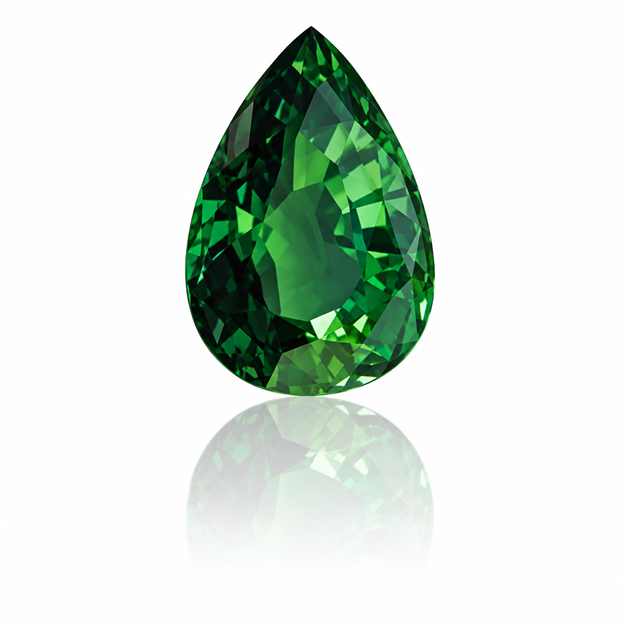
Tsavorite is one of the most desirable green varieties of garnet. It is a form of grossular garnet and can display colours ranging from lighter green through to vivid, saturated green.
A fine tsavorite can offer a striking alternative to an emerald, although the two gemstones are completely different mineral species.
For jewellery designers, tsavorite’s combination of strong colour, brilliance and relative rarity makes it particularly attractive in high-quality custom jewellery.
Demantoid Garnet
Demantoid is a green variety of andradite garnet and is regarded as one of the rarer garnets.
Its high dispersion can produce exceptional flashes of spectral colour or “fire”. Fine demantoid can therefore have a very different visual character from tsavorite despite both belonging to the garnet family and appearing green.
Mali Garnet
Mali garnet takes its name from Mali in West Africa, where this distinctive material was discovered.
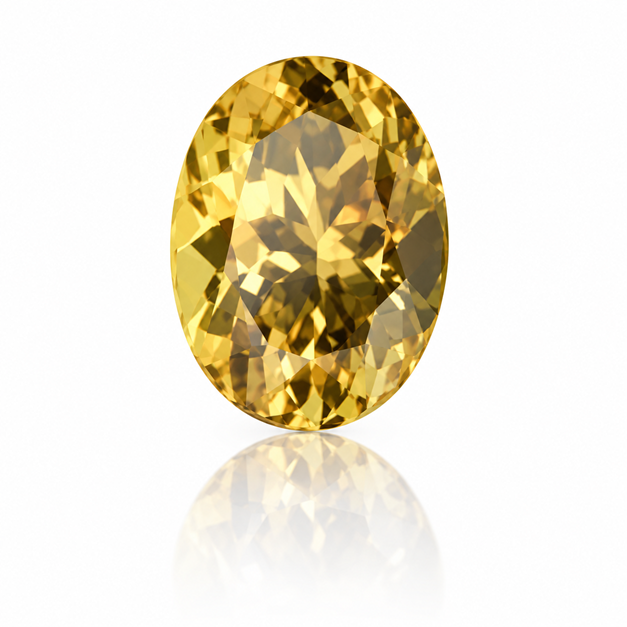
Colours typically range from yellow and golden tones through to yellow-green and brownish green. Its bright appearance makes Mali garnet another interesting option for less conventional gemstone jewellery.
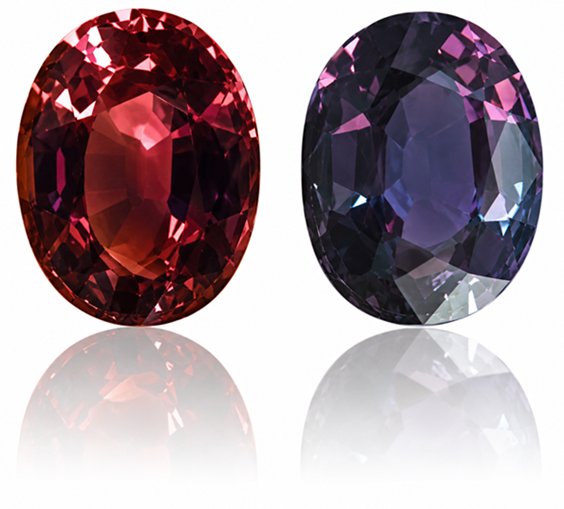
Colour-Change Garnet
Some of the rarest garnets display a colour-change effect, appearing noticeably different under daylight and incandescent lighting.
The exact colour transition varies from stone to stone. These unusual gems are particularly appealing to collectors and clients looking for something genuinely uncommon.
Is Garnet Suitable for Jewellery?
Garnets generally measure approximately 6.5 to 7.5 on the Mohs hardness scale, depending on the particular type.
That makes garnet suitable for many forms of fine jewellery, including:
- Earrings
- Pendants
- Necklaces
- Dress rings
- Anniversary jewellery
- Cocktail rings
- Custom gemstone jewellery
However, hardness measures resistance to scratching rather than complete resistance to breaking or chipping.
For a ring that will be worn every day, the specific garnet, its inclusions, setting design and the wearer’s lifestyle should all be considered. For particularly active lifestyles, harder gemstones such as sapphire may sometimes be more practical.
Our guide to coloured gemstone engagement rings explains durability considerations in more detail.
How Do You Choose a Good Garnet?
There is no universal grading system for garnet equivalent to the diamond 4Cs, so individual stones should be assessed visually.
Colour is particularly important. Look for a colour you find attractive rather than simply assuming one garnet variety is automatically better than another.
Clarity also varies. Some garnets can be relatively clean, while certain varieties may naturally contain inclusions.
The quality of the cut is equally important. A well-proportioned garnet should show good brilliance and colour across the face of the gemstone rather than appearing excessively dark or lifeless.
Because coloured gemstones can vary dramatically, we recommend selecting the actual gemstone before finalising the jewellery design.
Designing Custom Garnet Jewellery in New Zealand
One of the advantages of garnet is the creative freedom provided by its range of colours.
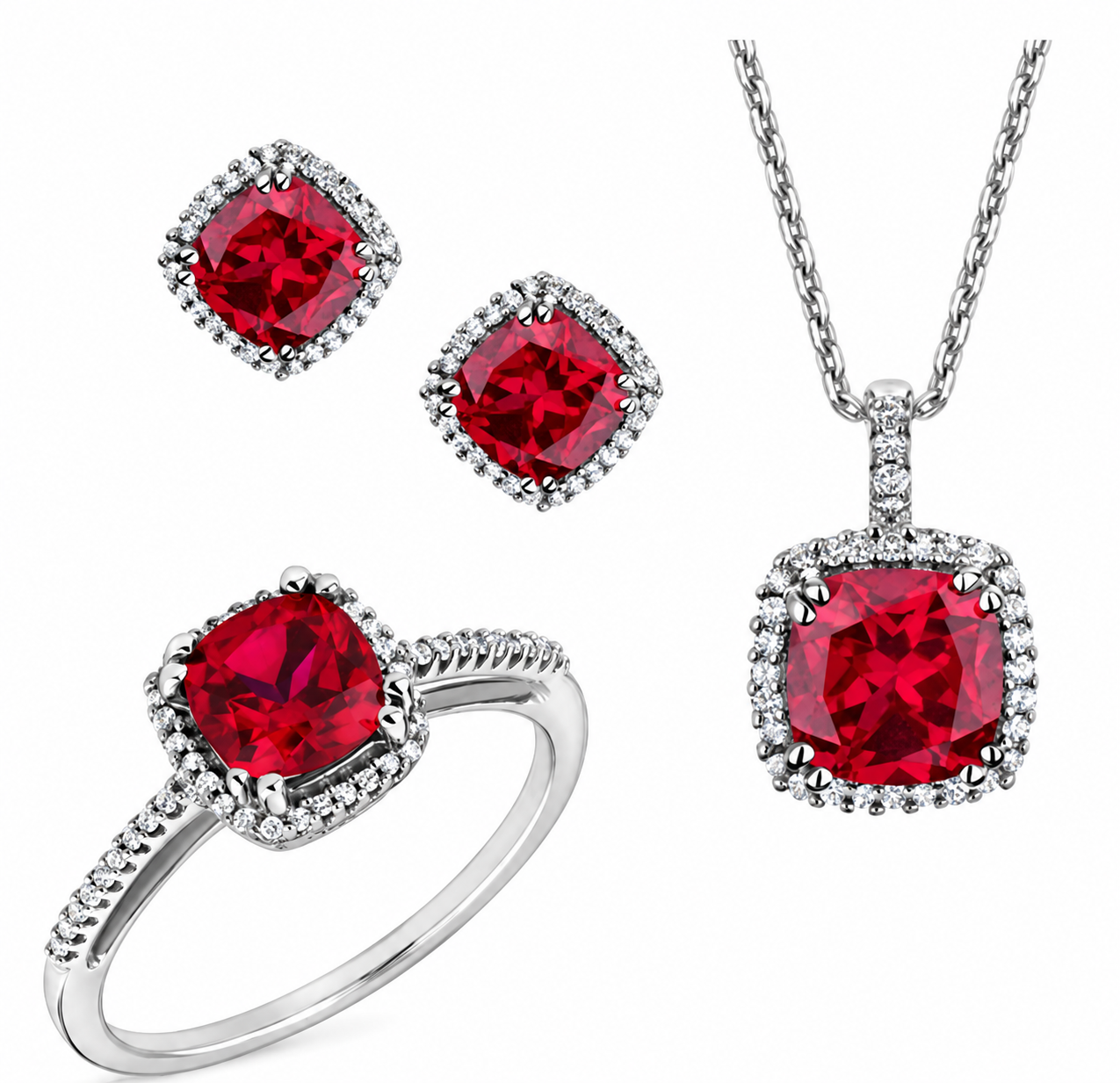
A deep red or rhodolite garnet can be paired with yellow or rose gold for a rich, warm appearance. Green tsavorite can look particularly crisp against platinum or white gold, while orange spessartine can create a striking contrast when combined with diamonds.
At Polished Diamonds, our custom jewellery design service allows the jewellery to be designed around the dimensions of your chosen gemstone.
Using CAD jewellery design, we can refine gemstone placement, proportions, setting style and the surrounding diamonds before your piece is manufactured through our New Zealand jewellery workshop.
You can visit our design studios in Auckland, Wellington or Christchurch, or work with our team remotely from elsewhere in New Zealand.
Garnet FAQs
No. Although red is the colour traditionally associated with garnet, the garnet family includes orange, yellow, purple, pinkish-red and vivid green gemstones, along with rare colour-change varieties.
The two best-known green garnets are tsavorite and demantoid. Tsavorite is a variety of grossular garnet, while demantoid is a variety of andradite garnet.
Yes. Garnet is the traditional birthstone for January and is also associated with the second wedding anniversary.
Yes, but the particular garnet and setting should be chosen carefully. Garnets range approximately 6.5–7.5 on the Mohs scale and are softer than sapphires, rubies and diamonds. A protective setting may be appropriate for a garnet ring intended for frequent wear.
Warm water with mild soap and a soft brush is generally the safest approach. Garnet jewellery should be protected from hard knocks and abrasive materials. If you are unsure about the condition of the gemstone or its setting, have the jewellery professionally inspected before intensive cleaning.