Wedding Traditions and Their Meanings: A New Zealand Guide
Wedding traditions are rituals, symbols and customs passed between families, communities and cultures. Some have centuries of history, while others are modern interpretations created by individual couples.
Popular wedding traditions include exchanging wedding rings, wearing a white dress, carrying something old, new, borrowed and blue, throwing confetti, carrying a bouquet and sharing a first dance. Although their origins differ, many express similar ideas: commitment, continuity, good fortune, family support and the beginning of a new life together.
In New Zealand, couples are free to shape a ceremony around their own cultural, spiritual and personal preferences. Therefore, traditions can be followed exactly, adapted to feel more meaningful or replaced with something entirely new.
Why do couples exchange wedding rings?
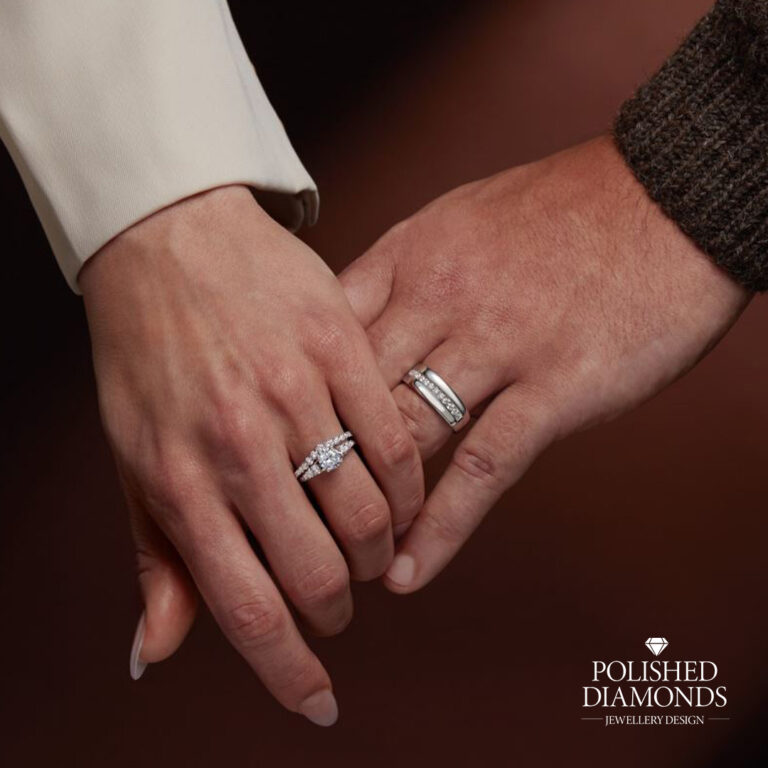
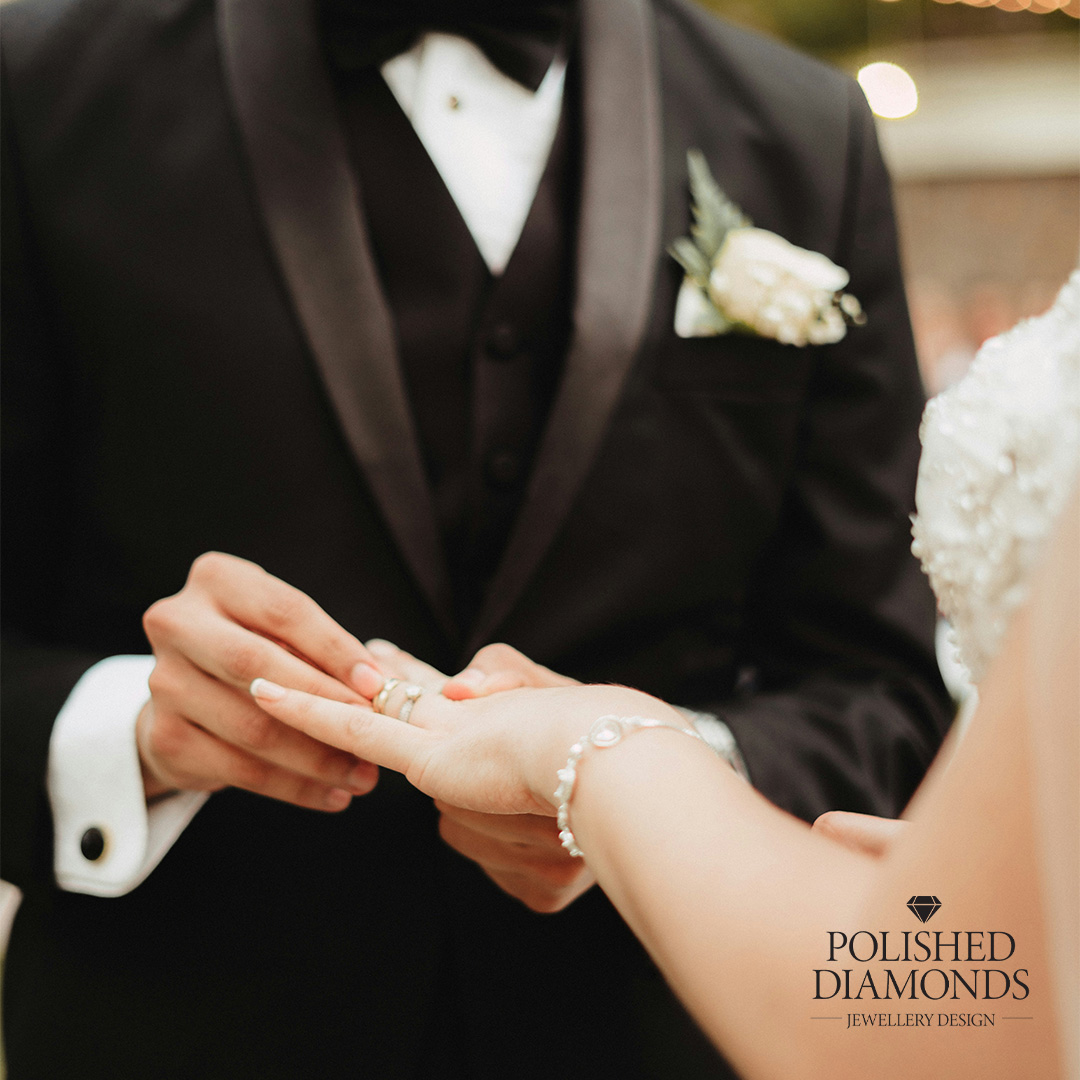
The exchange of wedding rings is one of the most recognisable wedding traditions. A ring has no beginning or end, so its circular form is commonly used to represent continuity, unity and enduring commitment.
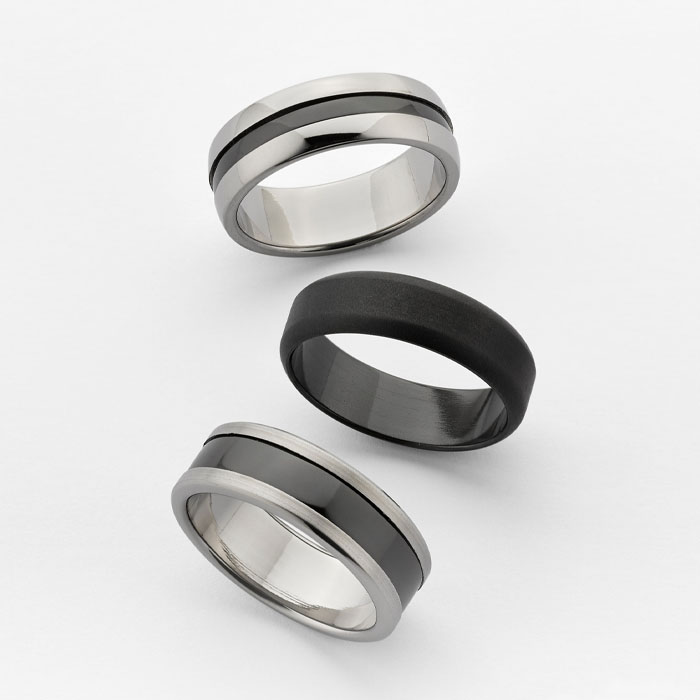
Today, couples may choose identical wedding bands, complementary designs or completely different rings that suit their individual styles. Some also include engraved dates, names, fingerprints or personal messages inside their rings.
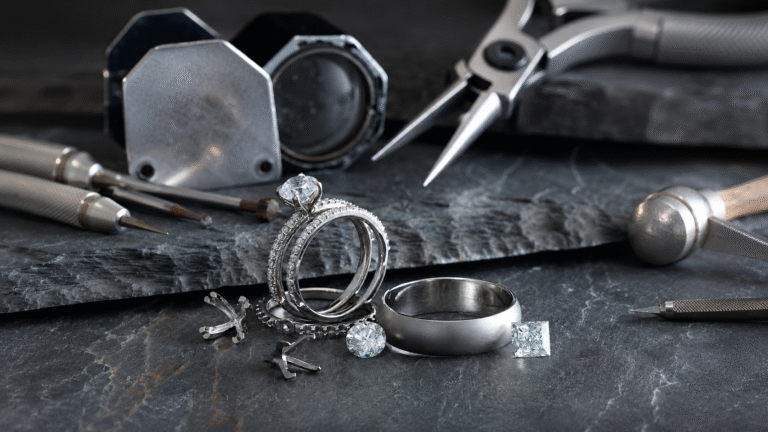
Wedding rings can be made in platinum, yellow gold, rose gold, white gold and other contemporary metals. A wedding band can also be designed to sit neatly alongside an engagement ring, particularly when the engagement-ring setting has an unusual profile.
Why is a wedding ring worn on the fourth finger?
In New Zealand and many other Western countries, wedding rings are normally worn on the fourth finger of the left hand.
This custom is often connected with the historic idea of the vena amoris, or “vein of love”. People once believed that a vein ran directly from this finger to the heart. Modern anatomy shows that there is no single vein with this special connection. Nevertheless, the story remains a romantic explanation for the wedding-ring finger.
The custom is not universal. In a number of countries and cultural traditions, wedding rings are worn on the right hand instead. Ultimately, couples can choose whichever hand has the greatest personal, cultural or practical meaning.
What does “something old, something new, something borrowed and something blue” mean?
This well-known wedding tradition comes from a Victorian-era rhyme:
Something old, something new, something borrowed, something blue, and a sixpence in your shoe.
Each item was traditionally associated with good fortune:
Something old
Something old represents continuity and the couple’s connection with family, history and the life they had before marriage.
An heirloom necklace, vintage brooch, family photograph or inherited piece of jewellery can fulfil this tradition. Some couples also remodel inherited gemstones or precious metal into a new wedding ring.
Something new
Something new represents optimism, a new beginning and the life the couple is creating together.
The wedding dress, wedding rings, shoes or another item chosen specifically for the occasion can serve as something new.
Something borrowed
Something borrowed traditionally represents support and good fortune shared by a close friend or family member.
It might be a veil, piece of jewellery, handkerchief, watch or another sentimental item. Borrowing something from a loved one can also provide a meaningful way to include that person in the ceremony.
Something blue
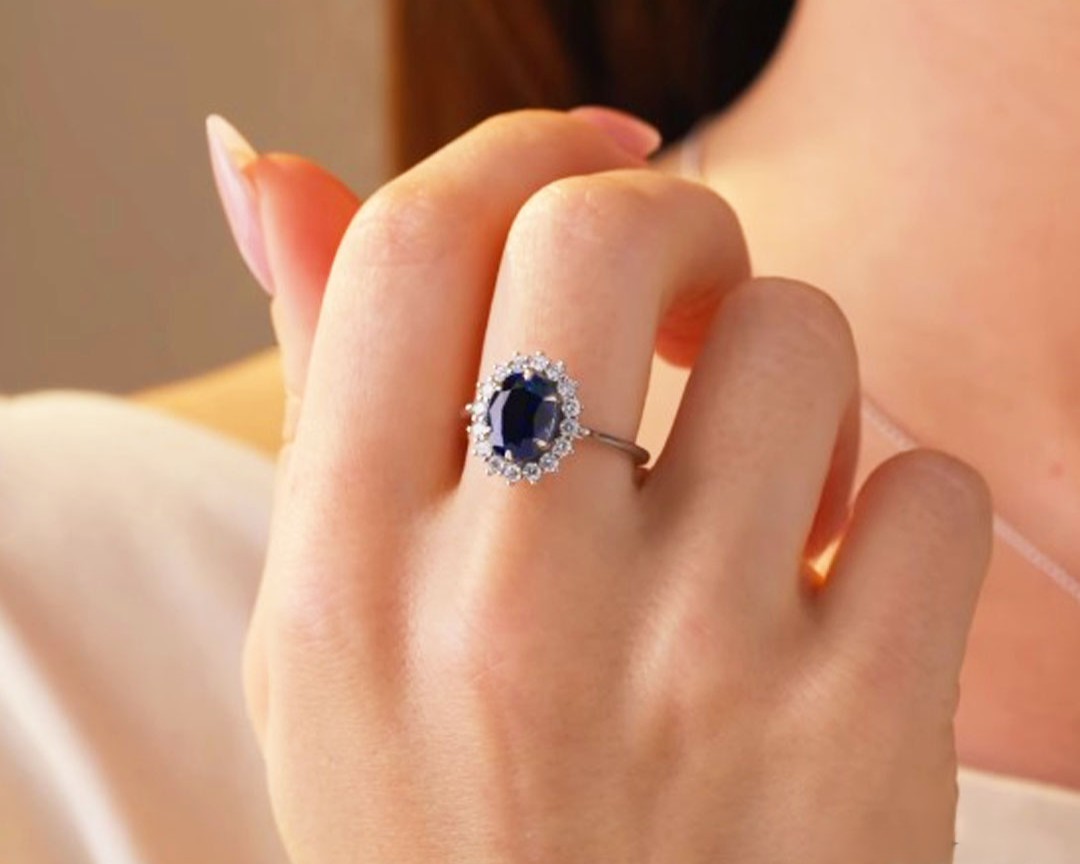
Something blue is commonly associated with love, fidelity and commitment.
Modern couples may include blue through a sapphire, ribbon, embroidered initials, flowers, shoes, cufflinks or a subtle detail inside their clothing. Polished Diamonds can also create custom gemstone jewellery featuring sapphires or almost any other coloured gemstone, allowing couples to incorporate something blue into a ring, pendant, earrings or another meaningful piece.
Why do brides traditionally wear white?
White wedding dresses existed before the nineteenth century, but Queen Victoria’s white gown at her 1840 wedding to Prince Albert helped make the style fashionable throughout the Western world.
Over time, white became associated with bridal celebration, elegance and new beginnings. However, it is a fashion tradition rather than a rule.
Modern brides may wear white, ivory, champagne, blush, black or any other colour that reflects their personality and celebration. The choice has no required connection with age, previous marriage or family circumstances.
What is the meaning of throwing rice or confetti?
Throwing grain, rice, petals or confetti has traditionally represented abundance, happiness and good wishes for the newly married couple.
Today, many New Zealand venues prefer flower petals, bubbles, dried leaves or biodegradable confetti because they are easier to manage and more suitable for outdoor locations. Always check the venue’s rules before planning a confetti moment.
Couples who prefer not to throw anything might organise a ribbon-wand exit, sparkler photograph or guard of honour instead.
Why does the bride carry and throw a bouquet?
Flowers have long been included in wedding ceremonies for their colour, fragrance and symbolic meaning. Modern bridal bouquets are generally selected to complement the wedding style, season and colour palette.
Traditionally, the bride throws the bouquet towards a group of unmarried guests, and the person who catches it is said to be the next to marry. However, many couples now change or omit this custom because they do not want to single out unmarried guests.
Alternative ideas include presenting the bouquet to a parent, grandparent or longest-married couple. The flowers can also be dried, pressed or professionally preserved as a keepsake.
Which wedding traditions are modern couples changing?
Many couples are reconsidering customs that no longer reflect their relationships or values.
For example, both partners may walk into the ceremony together rather than one person being “given away”. Couples may see each other before the ceremony for a private first look, write their own vows, involve children in the ring exchange or replace formal speeches with contributions from friends and whānau.
Wedding parties are also becoming more flexible. Rather than separating attendants by gender, couples may simply choose the people who are closest to them.
There is no requirement to include a bouquet toss, garter toss, first dance, formal cake cutting or any other reception tradition. The most successful wedding traditions are usually those that feel natural and meaningful to the couple.
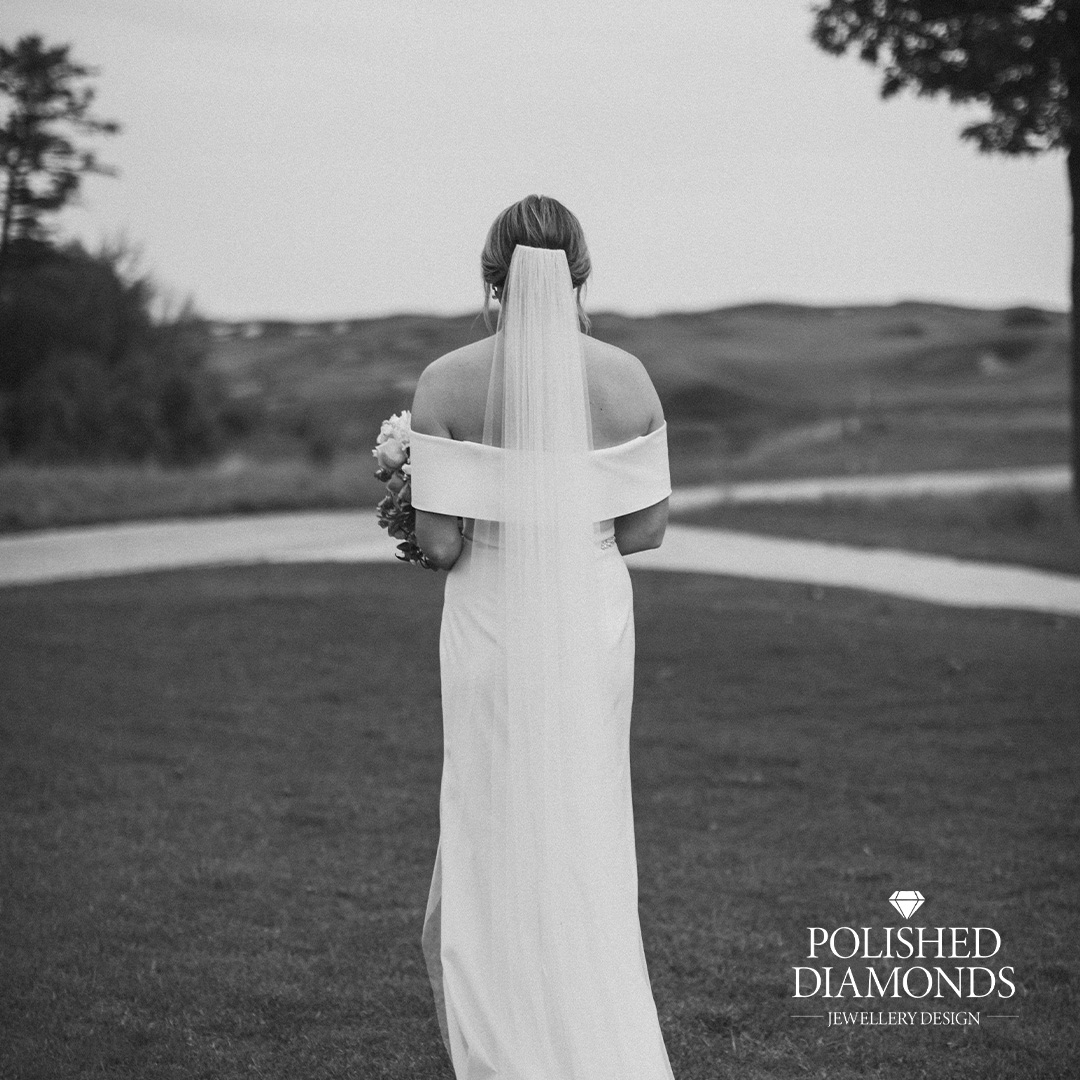
Wedding traditions in New Zealand
Most personalised wedding ceremonies in New Zealand can be designed around a couple’s cultural, spiritual and personal preferences.
Some ceremonies acknowledge family heritage through language, music, readings, clothing, jewellery or blessings. Where tikanga Māori or another cultural tradition is being included, couples should involve appropriate whānau members, elders, cultural advisers or a celebrant who understands the relevant protocols.
New Zealand weddings may also reflect the landscape. Beaches, gardens, vineyards, mountains and family properties often become part of the ceremony’s story.
Rather than following every custom automatically, couples can ask what each tradition means, who it includes and whether it represents the marriage they are creating.
Creating your own wedding-ring tradition
Wedding rings are among the few physical elements of a wedding that are worn long after the celebration. Therefore, the design should reflect both personal style and everyday practicality.
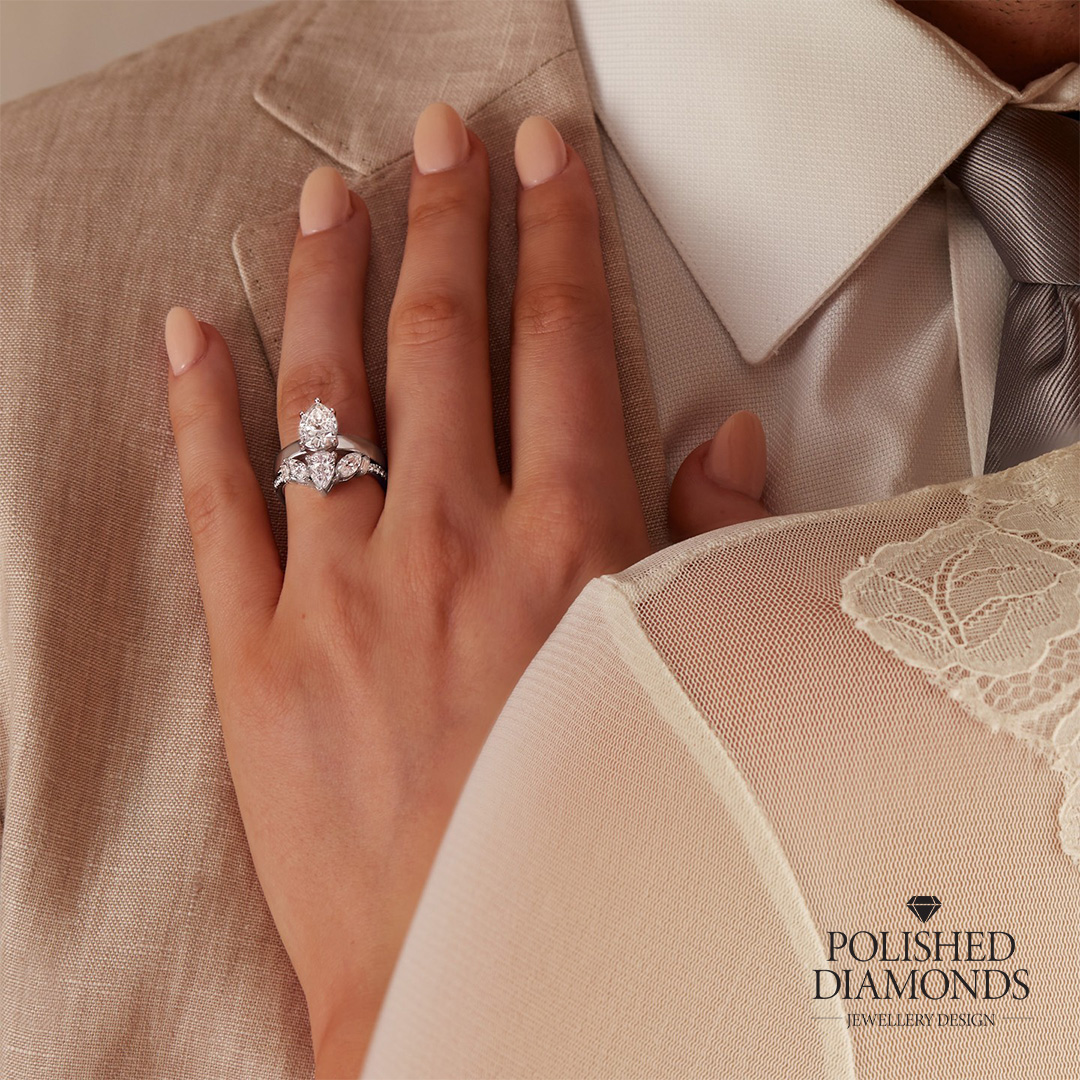
A custom wedding ring can be created to:
- Fit precisely beside an engagement ring
- Incorporate an inherited diamond or gemstone
- Include a meaningful engraving
- Combine different precious metals
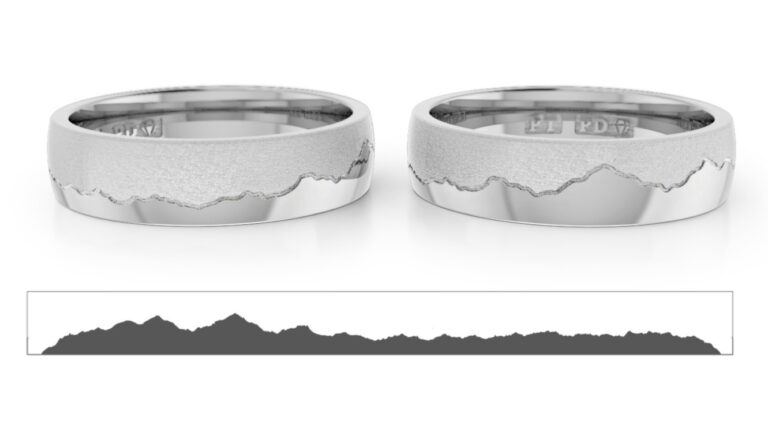
- Reflect a shared pattern or design detail
- Create complementary rather than identical rings
Polished Diamonds uses Computer-Aided Design to show couples how their rings will look before production. Each design can be adjusted for finger size, width, profile, gemstone placement and the shape of an existing engagement ring.
Our New Zealand jewellery specialists can help you explore women’s wedding rings, men’s wedding rings and fully custom designs at our Auckland, Wellington and Christchurch studios.
Design wedding rings that tell your story
Whether you prefer a timeless wedding band, a ring designed to match your engagement ring or a completely original design, Polished Diamonds can help bring the idea to life.
Explore our wedding-ring collection or speak with our jewellery designers about creating custom wedding rings in New Zealand.
Frequently asked questions about wedding traditions
Common traditions include exchanging wedding rings, wearing a white dress, carrying a bouquet, having something old, new, borrowed and blue, throwing confetti, cutting a wedding cake and sharing a first dance.
The tradition is associated with the historic vena amoris, or “vein of love”, which was once believed to connect the finger directly to the heart. This is a symbolic story rather than an anatomical fact.
No. Something blue is an optional good-luck tradition. Couples can follow it, reinterpret it or leave it out entirely.
No. Wedding traditions are optional. A modern wedding can combine family, cultural and personal customs or create entirely new traditions that are more meaningful to the couple.
WEDDING TRADITION MEANINGS: Key Takeaways
- Wedding traditions in New Zealand can be personalised based on cultural, spiritual, and personal preferences.
- Common traditions include exchanging wedding rings, wearing a white dress, and carrying something old, new, borrowed, and blue.
- The exchange of wedding rings symbolizes continuity and commitment, often worn on the fourth finger of the left hand.
- Modern couples may adapt or skip traditions, focusing on what feels meaningful to them, like the bouquet toss or first dance.
- Couples have the freedom to create new traditions, reflecting their unique love story and values.