Coloured Gemstone Engagement Rings: How to Choose the Right Stone
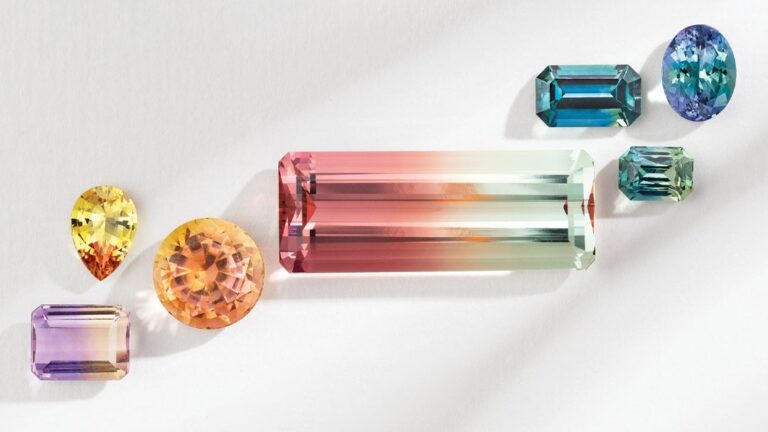
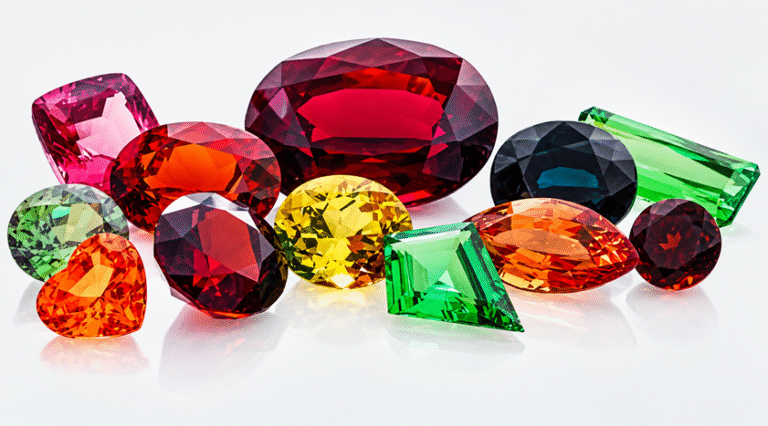
A coloured gemstone engagement ring is a beautiful alternative to a traditional diamond ring. From deep blue sapphires and vivid rubies to green emeralds, soft pink morganite and pale blue aquamarine, coloured gemstones allow you to create an engagement ring that feels distinctly personal.
At Polished Diamonds, we design and make custom engagement rings in New Zealand using both diamonds and coloured gemstones. The most important consideration is not simply choosing your favourite colour. You should also consider the gemstone’s durability, quality, treatment, setting and how the ring will be worn.
What Are the Best Coloured Gemstones for Engagement Rings?
Some gemstones are better suited to everyday wear than others. Engagement rings are normally worn frequently, so durability should be considered alongside colour, cut and budget.
| Gemstone | Mohs | Typical colours | Everyday wear | Care |
|---|---|---|---|---|
| Sapphire | 9 | Blue, teal, pink, yellow, green | Excellent | Low |
| Ruby | 9 | Red to purplish red | Excellent | Low |
| Emerald | 7.5–8 | Green | Good with care | Higher |
| Aquamarine | 7.5–8 | Pale blue/blue-green | Good | Moderate |
| Morganite | 7.5–8 | Pink/peach | Good | Moderate |
Hardness measures resistance to scratching rather than a gemstone’s complete resistance to damage. The stone’s toughness, inclusions, treatments, cut and setting should also be considered when designing a ring for everyday wear.
Sapphire Engagement Rings
Sapphire is one of the best coloured gemstones for an engagement ring because it combines beautiful colour with excellent durability.
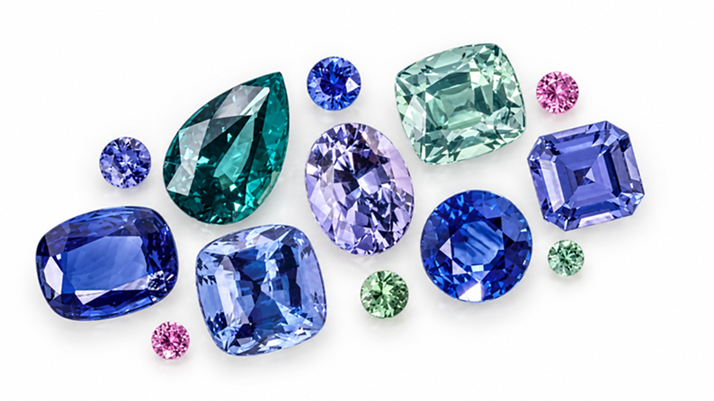
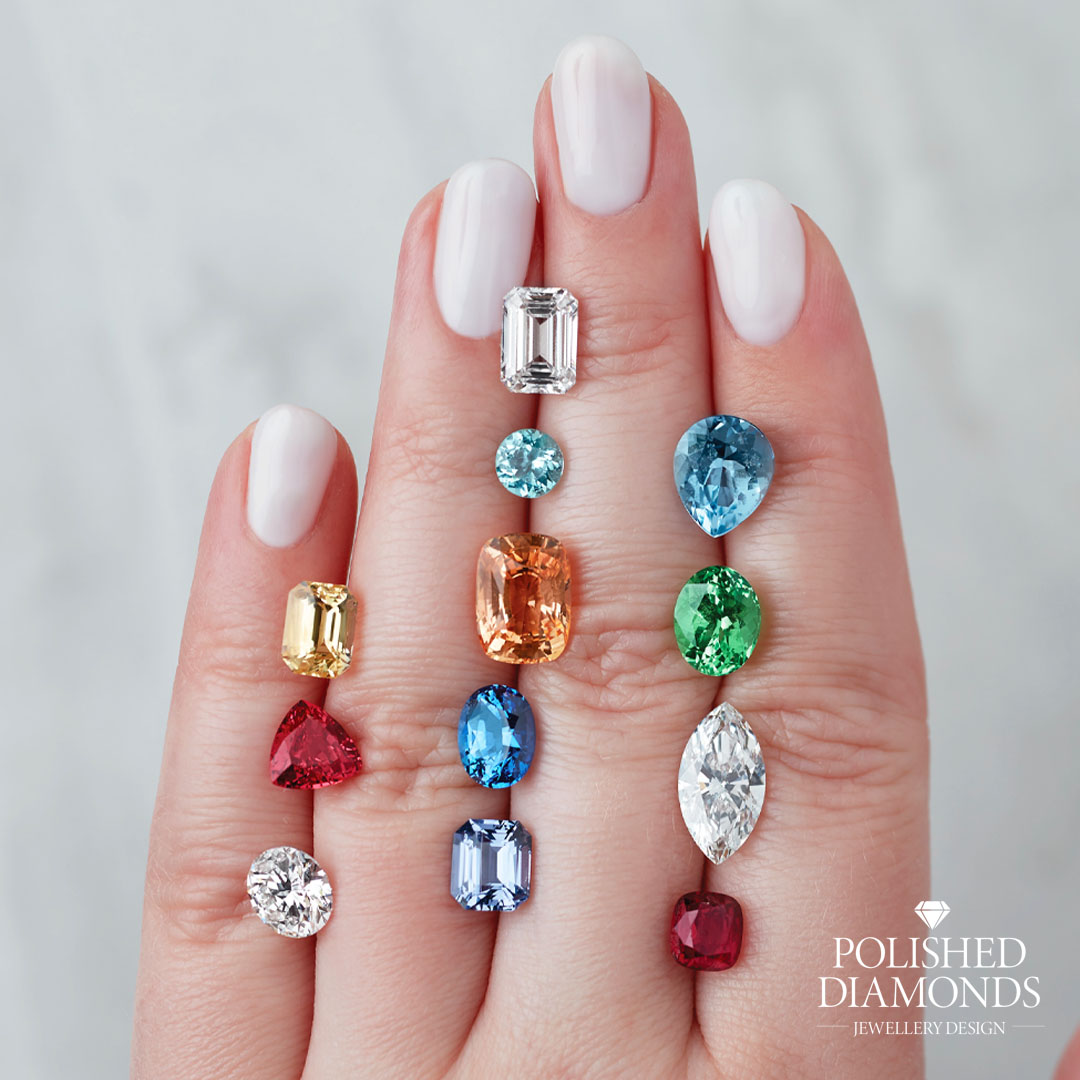
Although blue sapphire is the traditional choice, sapphires occur in an impressive range of colours including:
- Blue sapphires, from lighter cornflower tones to deeper royal blue
- Teal and green
- Pink
- Yellow
- White
- Peach and orange-pink Padparadscha
Sapphire is a variety of corundum and has a Mohs hardness of 9, making it highly resistant to everyday scratching.
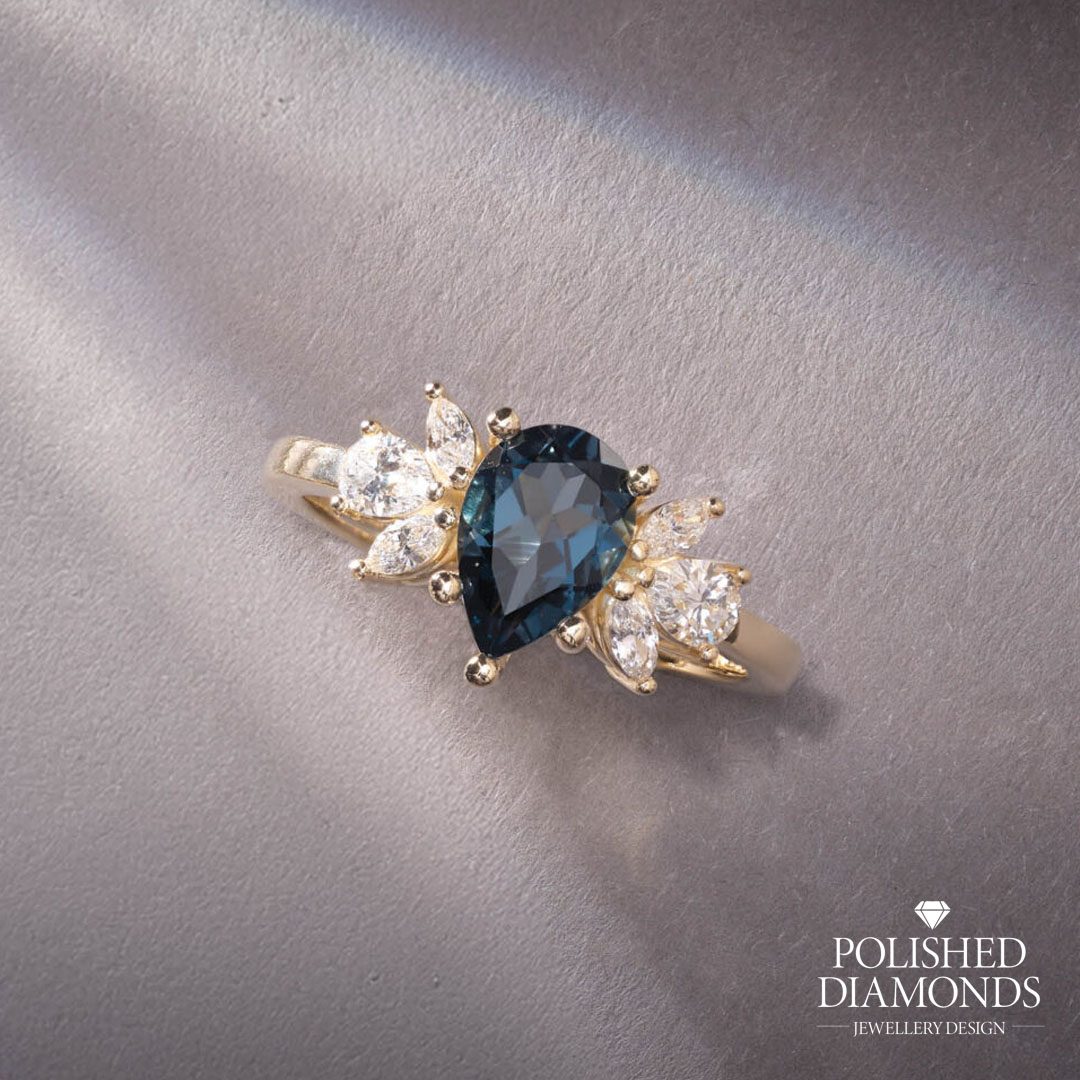
A sapphire can be used as the centre gemstone in a solitaire engagement ring, surrounded with diamonds in a halo or combined with diamonds in a trilogy design. Teal, green and pink sapphires are particularly effective when creating a ring that feels individual rather than traditional.
Learn more about sapphire colours, origins and treatments in our Sapphire Gemstone Guide.
Ruby Engagement Rings
Ruby offers one of the strongest and most recognisable gemstone colours: vibrant red.
This gemstone is also part of the corundum mineral family and has a Mohs hardness of 9. This combination of durability and rich colour makes a quality ruby an excellent choice for an engagement ring designed for regular wear.
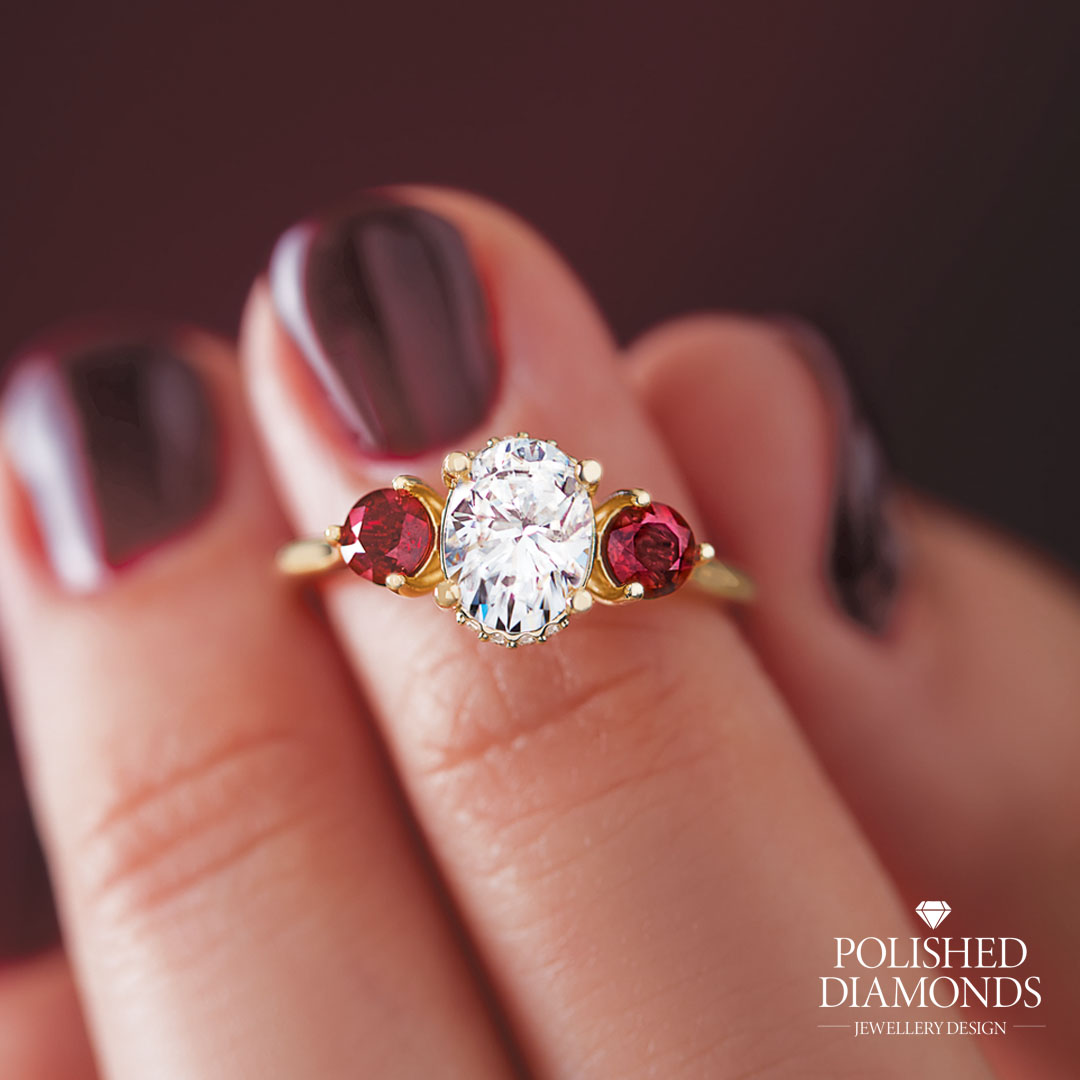
Rubies work beautifully as:
- Solitaire centre stones
- Ruby and diamond trilogy rings
- Diamond halo engagement rings
- Vintage-inspired designs
- Coloured accent stones
The colour, transparency, cut and treatment of a ruby can significantly influence its appearance and value, so it is important to compare individual gemstones rather than selecting by carat weight alone.
Learn more about ruby colour, origins and jewellery design in our Ruby Gemstone Guide.
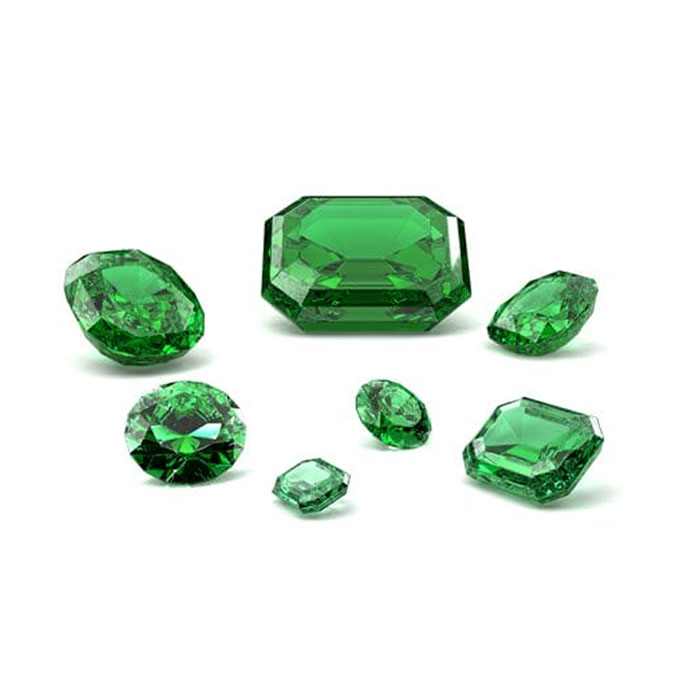
Emerald Engagement Rings
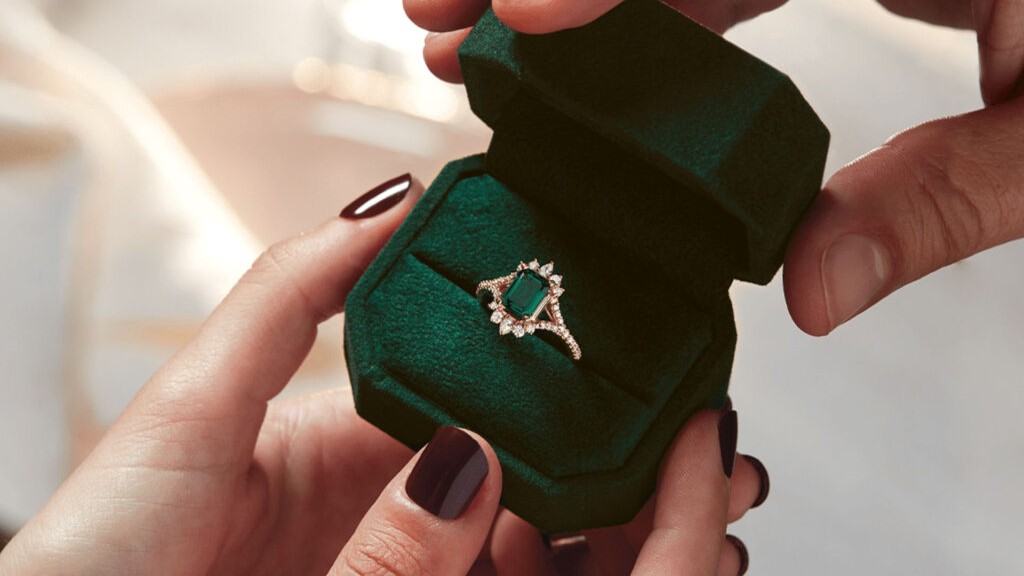
Few gemstones have a colour as distinctive as emerald. Its rich green appearance makes an emerald engagement ring immediately recognisable.
Emeralds have a Mohs hardness of approximately 7.5–8, but they commonly contain natural internal features and fractures. For this reason, emeralds generally require more care than sapphires and rubies.
A well-designed setting can help protect the stone. Bezel settings, protective claws and designs that shield exposed corners may therefore be worth considering, particularly for an emerald-cut stone.
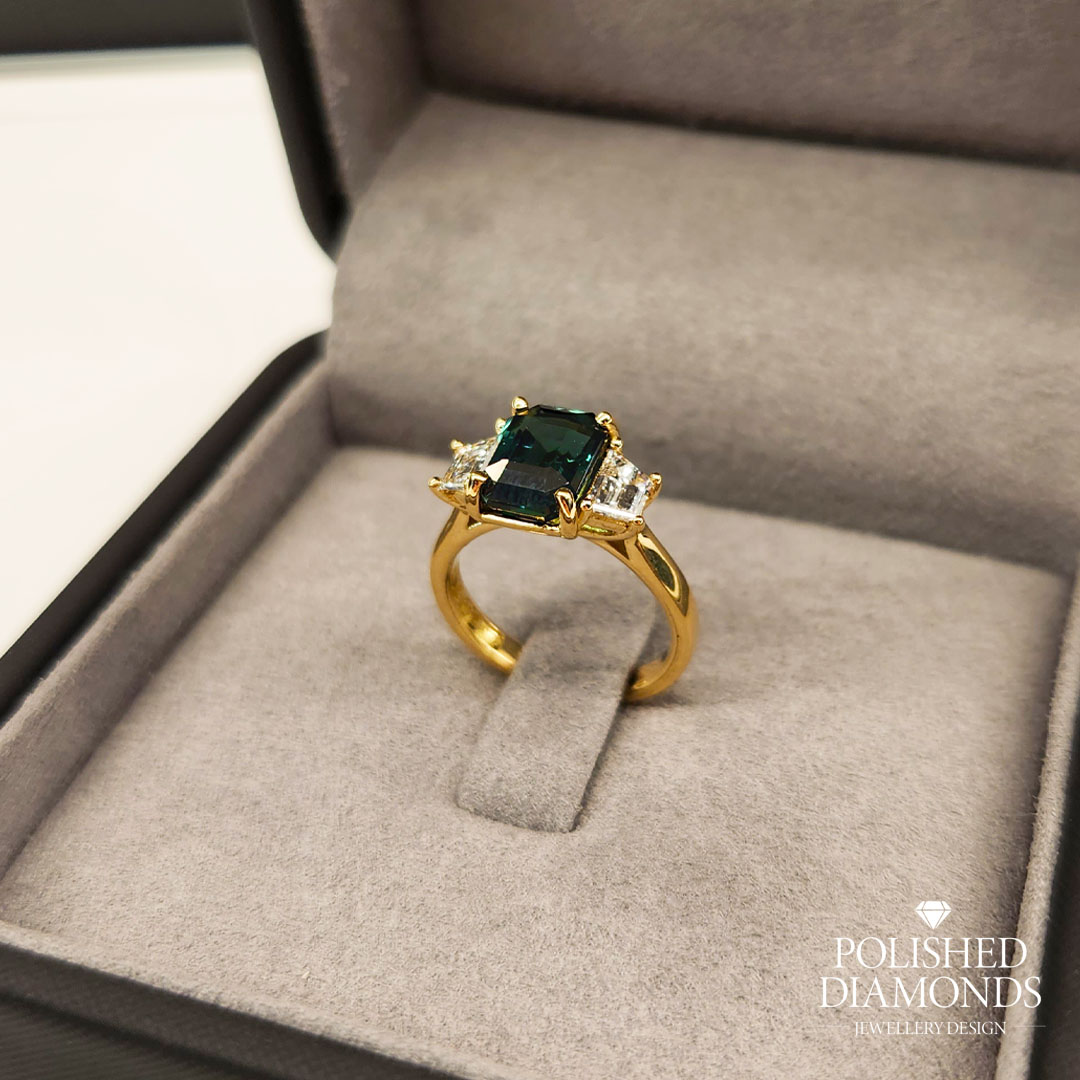
Emeralds pair beautifully with yellow gold, platinum and white gold and work particularly well in Art Deco, trilogy and vintage-inspired engagement rings
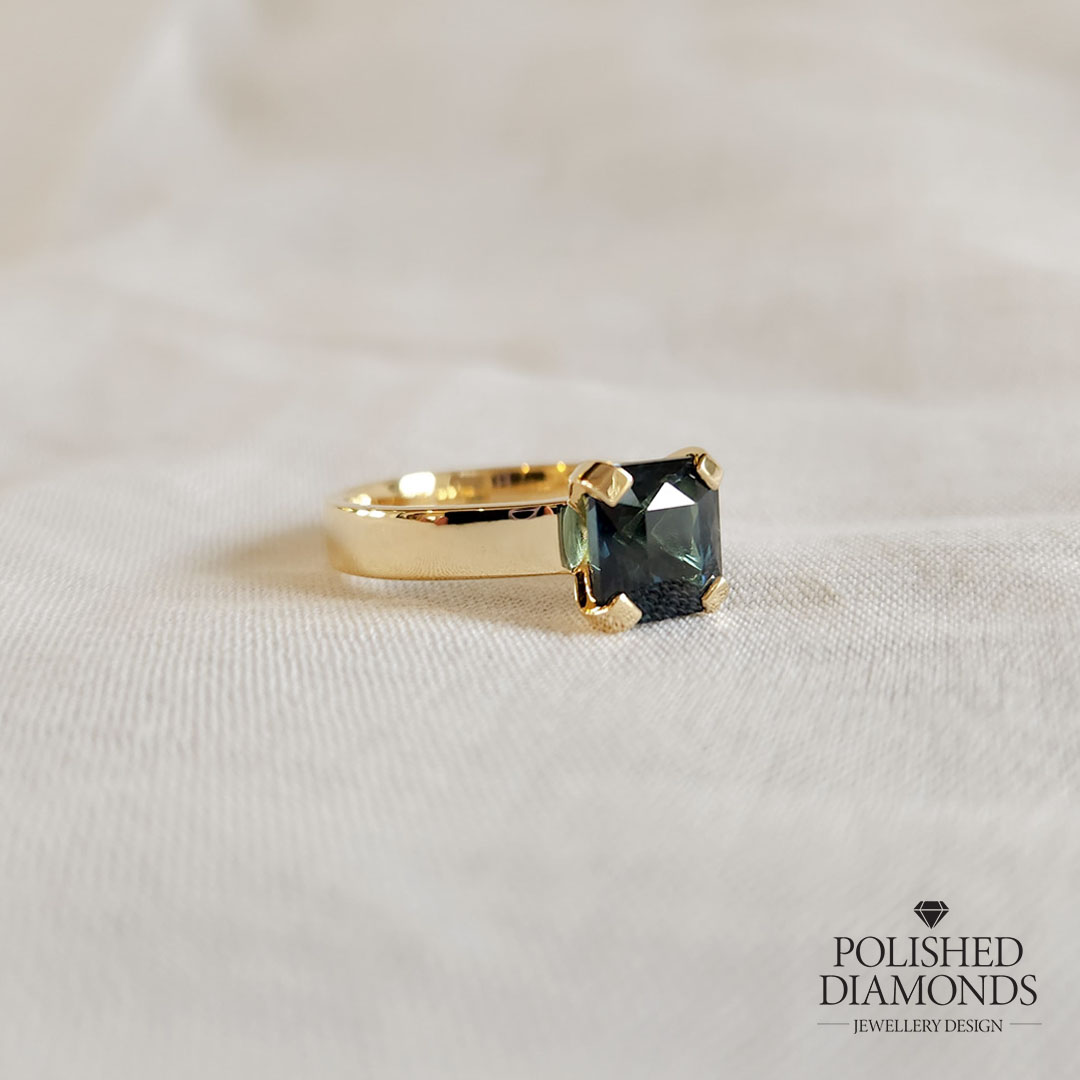
Learn more about emerald quality, treatments and care in our Emerald Gemstone Guide.
Morganite Engagement Rings
Morganite is known for soft pink, peach and blush tones and is part of the same beryl mineral family as emerald and aquamarine.
With a Mohs hardness of around 7.5–8, morganite can be used successfully in an engagement ring when treated with appropriate care.
Rose gold can complement morganite’s warm tones, while white gold or platinum creates a cleaner contrast. Adding small diamonds around the centre gemstone can also increase brilliance and definition.
Morganite is particularly suited to people looking for a softer, romantic colour rather than the stronger tones of ruby, sapphire or emerald.
Aquamarine Engagement Rings
Aquamarine ranges from pale blue to blue-green and creates a fresh, understated engagement ring.
Like morganite and emerald, aquamarine belongs to the beryl family and has a Mohs hardness of approximately 7.5–8.
Aquamarine works beautifully with platinum and white gold, although yellow and rose gold can create an attractive colour contrast.
Because lighter aquamarines can have a subtle appearance, the cut and dimensions of the gemstone are particularly important. A well-cut aquamarine can appear bright and elegant without requiring a deeply saturated colour.
Which Coloured Gemstone Is Best for Everyday Wear?
For someone who plans to wear their engagement ring every day, sapphire and ruby are generally among the strongest coloured gemstone choices. Their hardness and toughness make them particularly suitable for rings.
Aquamarine and morganite can also be suitable for regular wear but should be protected from unnecessary knocks and abrasion.
Emeralds can make spectacular engagement rings, although they generally need more considered wear and care because natural emeralds commonly contain inclusions and surface-reaching fractures.
Your lifestyle matters too. Someone working regularly with tools, gym equipment, machinery or other hard surfaces should consider both gemstone choice and a protective ring setting.
Coloured Gemstone or Diamond Engagement Ring?
There is no requirement for an engagement ring to contain a diamond.
Diamonds offer exceptional hardness and brilliance, while coloured gemstones provide a much wider range of colour and personality. You can also combine the two.
Popular combinations include:
- Sapphire centre stone with diamond halo
- Ruby and diamond trilogy ring
- Emerald with diamond side stones
- Coloured gemstone with a diamond-set band
- Coloured gemstones hidden beneath the centre stone
- Alternating diamonds and coloured gemstones
This means you do not necessarily have to choose between a diamond ring and a gemstone ring. A custom design can incorporate both.
Choosing the Right Setting for a Gemstone Engagement Ring
The engagement ring setting should be designed around the gemstone rather than treating every stone like a diamond.
A sapphire or ruby can usually accommodate a wide variety of engagement ring styles.
More delicate gemstones or stones with vulnerable corners may benefit from a design that provides additional protection. Popular gemstone engagement ring styles include solitaire, halo, trilogy, vintage, bezel-set and diamond-accent designs.
The precious metal can also influence the appearance of the gemstone. Platinum and white gold tend to create a clean contrast, yellow gold adds warmth, and rose gold can complement pink, peach and some green gemstones.
How Do You Care for a Coloured Gemstone Engagement Ring?
The correct cleaning method depends on the gemstone and whether it has been treated.
Warm water, mild soap and gentle cleaning are suitable for many gemstones. However, ultrasonic and steam cleaning are not appropriate for every coloured stone.
Emeralds in particular should generally not be placed in an ultrasonic cleaner because many natural emeralds contain fractures that have been treated with oils or other fillers.
We recommend having regularly worn engagement rings professionally inspected so the gemstone, claws and setting can be checked for wear or movement.
Create Your Own Coloured Gemstone Engagement Ring
Choosing a coloured gemstone allows you to design an engagement ring around colour, personality and meaning rather than simply following tradition.
Whether you prefer a classic blue sapphire, vivid ruby, rich green emerald, soft pink morganite or pale blue aquamarine, the gemstone should be selected with its appearance, durability and intended use in mind.
Polished Diamonds can source the gemstone and custom design your ring using precision 3D CAD technology before creating your finished piece in New Zealand.
Explore our engagement rings or contact our jewellery designers in Auckland, Wellington or Christchurch to start creating your coloured gemstone engagement ring.
Frequently Asked Questions About Coloured Gemstone Engagement Rings
Sapphire and ruby are two of the best choices for an engagement ring intended for everyday wear because they combine excellent durability with strong colour. Emerald, aquamarine and morganite can also make beautiful engagement rings but may require more considered care.
Yes. Sapphire has a Mohs hardness of 9 and excellent toughness, making it one of the most suitable coloured gemstones for an engagement ring that will be worn regularly.
Yes. An engagement ring can feature any gemstone appropriate to the wearer and their lifestyle. Sapphire, ruby, emerald, aquamarine and morganite are all popular alternatives to a traditional diamond centre stone.
Yes. Diamonds pair particularly well with coloured gemstones. Popular designs include gemstone centre stones with diamond halos, diamond side stones, trilogy rings and diamond-set bands.
Emeralds can be worn in engagement rings, but they require more care than sapphire or ruby. A protective setting and sensible wear can help reduce the risk of accidental damage.
Sapphires occur in many colours, including blue, teal, green, pink, yellow, white and orange-pink. This wide colour range makes sapphire particularly versatile for custom engagement rings.
COLOURED GEMSTONE ENGAGEMENT RINGS: Key Takeaways
- Coloured gemstones for engagement rings are personal alternatives to diamonds, with options like sapphires, rubies, emeralds, morganite, and aquamarine.
- Durability is key; sapphires and rubies are ideal for everyday wear due to their hardness, while emeralds require more care.
- Custom designs can incorporate both coloured gemstones and diamonds for unique engagement rings.
- Selecting an appropriate setting is crucial, especially for delicate stones, to ensure their protection.
- Regular care and professional inspections help maintain the beauty of coloured gemstone engagement rings.