Understanding Diamond Carat: Weight, Size and Value
Diamond carat is one of the most recognised parts of the 4Cs of diamond quality, but it is also one of the most misunderstood. A higher carat weight does not automatically mean a better diamond, and carat does not actually measure a diamond’s visible size.
If you are choosing a diamond for an engagement ring or piece of fine jewellery, understanding carat weight can help you balance size, cut, colour, clarity and budget more effectively.
At Polished Diamonds, we help clients compare natural and lab-grown diamonds and then design the jewellery around the selected stone. Here is what you should know before choosing your diamond.
What Does Diamond Carat Mean?
A diamond’s carat is a measurement of weight.
One carat equals:
- 200 milligrams
- 0.20 grams
- 100 points
This means a 0.50ct diamond weighs half a carat, while a 0.75ct diamond weighs 75 points.
The word carat has historical origins in the use of carob seeds as small units of weight in gemstone trading. Today, however, carat is an internationally standardised measurement.
Is Diamond Carat the Same as Diamond Size?
No. This is one of the most important distinctions when comparing diamonds.
Carat measures weight; millimetres measure dimensions.
Two diamonds can have exactly the same carat weight yet appear different in size when viewed from above. Their visible dimensions are influenced by:
- Diamond shape
- Cut proportions
- Depth
- Table size
- Girdle thickness
For example, a diamond that carries excessive weight in its depth may weigh one carat but appear smaller from above than a well-proportioned one-carat diamond.
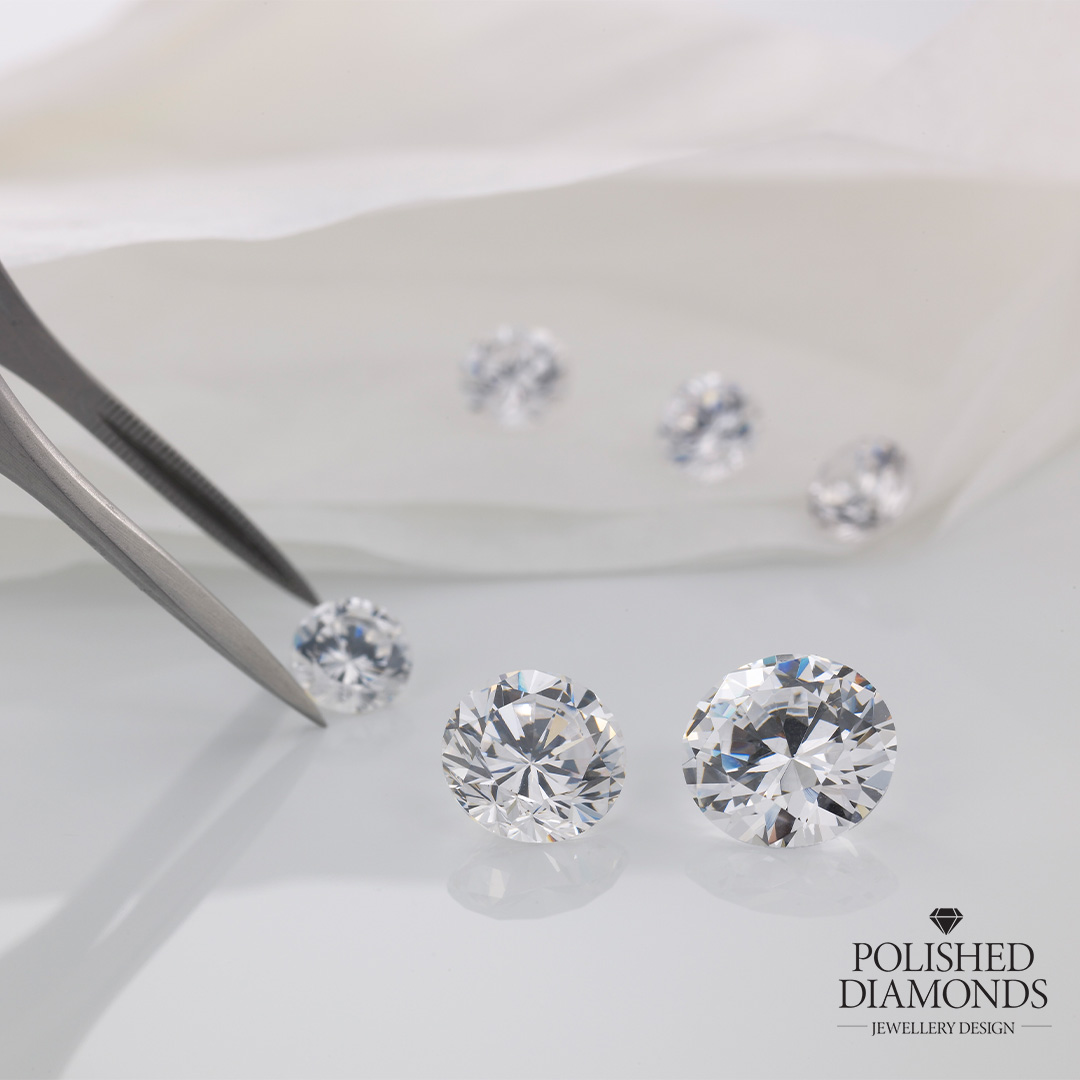
This is why we recommend considering the diamond’s actual millimetre dimensions as well as its carat weight.
Why Does Diamond Carat Affect Price?
Diamond prices generally increase as carat weight increases, but the relationship is not linear.
Larger natural diamonds are rarer than smaller diamonds. In addition, important milestone weights such as 0.50ct, 1.00ct, 1.50ct and 2.00ct can attract higher demand.
Consequently, two diamonds that look relatively similar in diameter can have noticeably different prices.
A diamond slightly below one of these milestone weights — for example, 0.90–0.99ct rather than exactly 1.00ct — can sometimes provide attractive value while maintaining a similar visual presence.
However, carat should never be considered by itself. Cut, colour, clarity, shape and certification all contribute to the quality and price of a diamond.
What Is a Good Carat Weight for an Engagement Ring?
There is no ideal carat weight for every engagement ring.
The right choice depends on the wearer’s style, finger size, ring design, diamond shape and budget.
Rather than beginning with a predetermined carat number, consider the overall finished ring. A beautifully proportioned 0.70ct diamond can be more appealing than a poorly cut 1.00ct diamond, while someone wanting greater visual presence may prefer a larger centre stone.
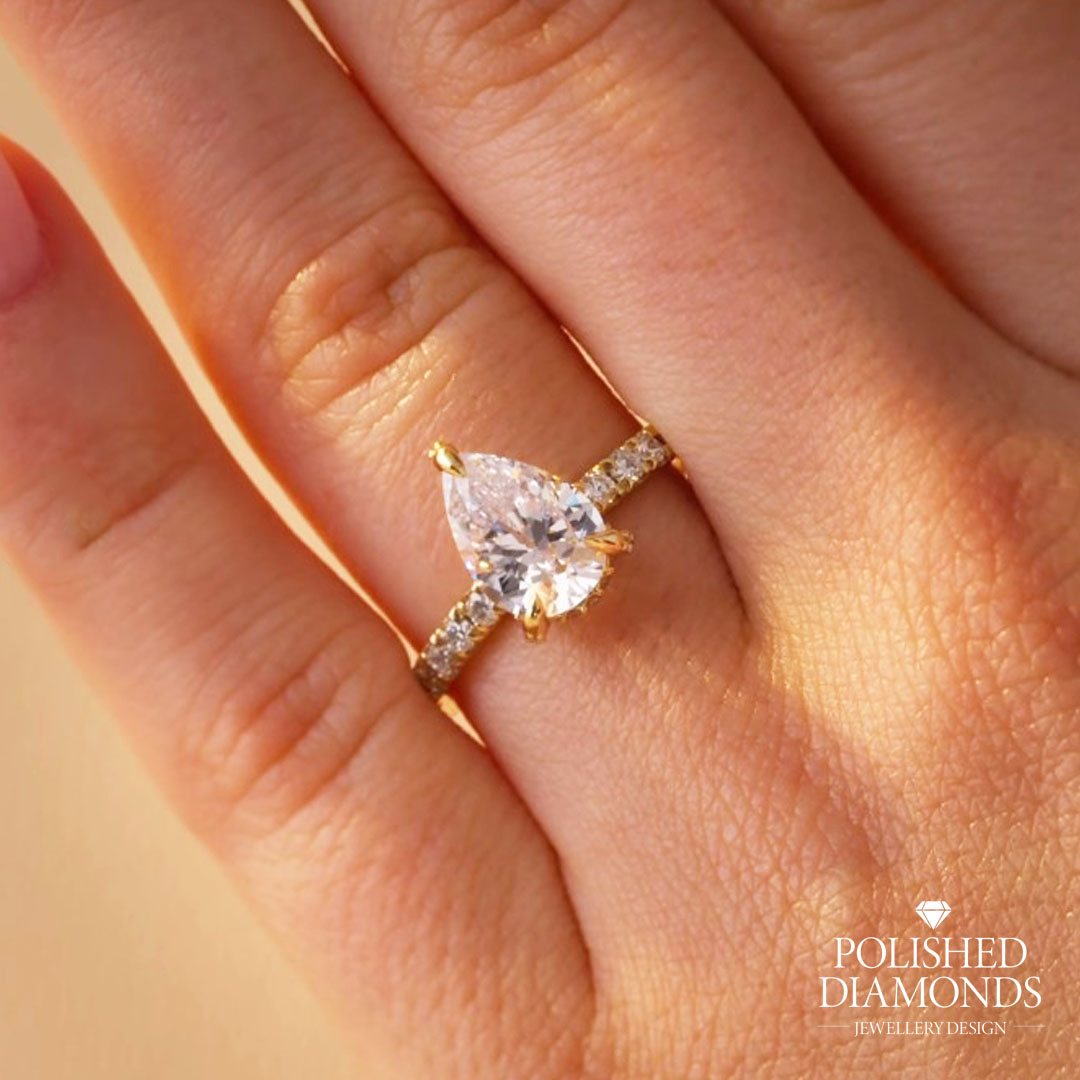
The setting also makes a considerable difference. A solitaire places all attention on the centre diamond, while a halo, trilogy or diamond-accent design can create additional brilliance and coverage.
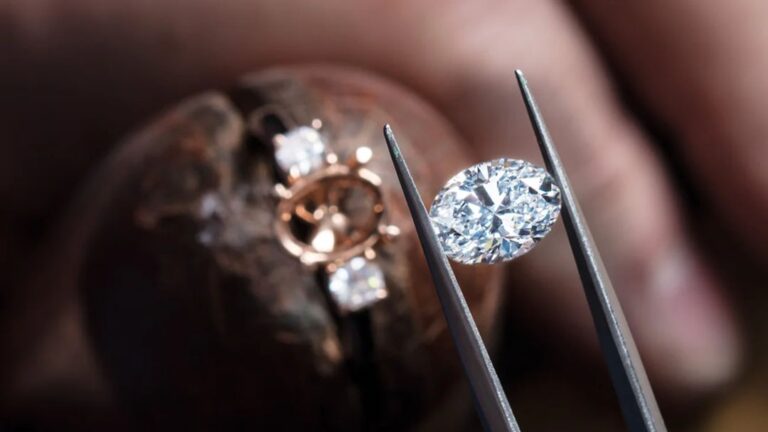
At Polished Diamonds, our custom diamond ring design process allows the setting to be developed around the actual dimensions of the diamond using CAD technology. This means you can view the proportions of your ring before it is manufactured.
Does Diamond Shape Affect How Large It Looks?
Yes.
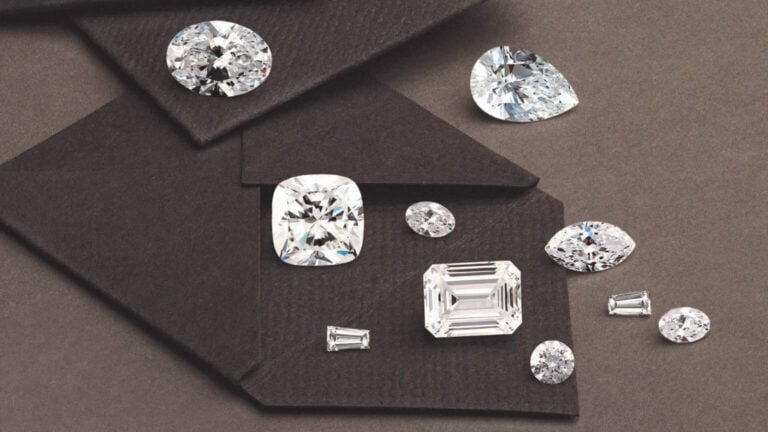
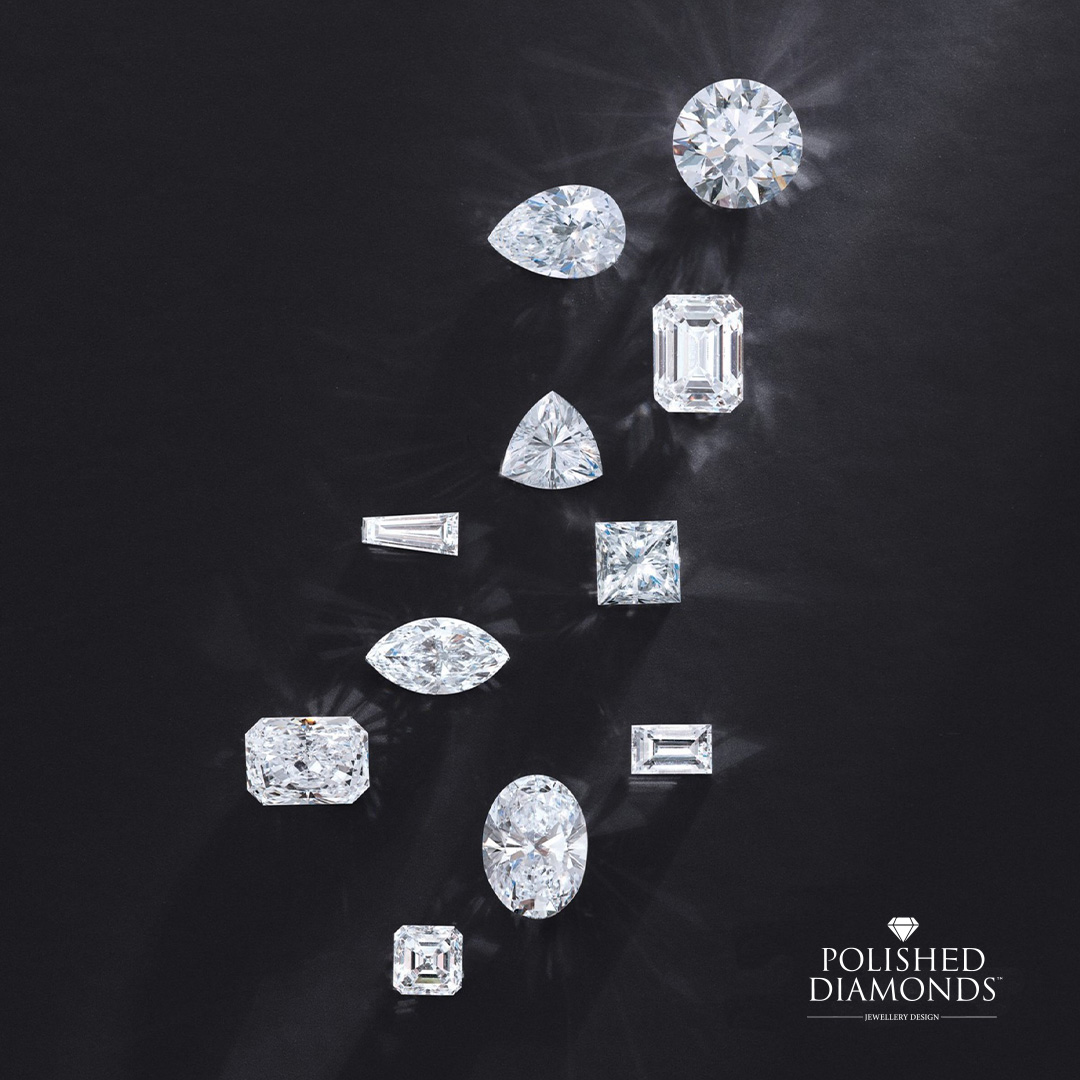
Different diamond shapes distribute their weight differently. Elongated shapes can provide greater visual coverage across the finger, even when their carat weights are identical.
Shapes worth comparing include:
- Round brilliant
- Oval
- Pear
- Marquise
- Emerald
- Radiant
- Cushion
- Princess
- Asscher
An oval or marquise diamond, for example, may have a larger face-up appearance than a round diamond of comparable weight because of its elongated proportions.
This does not necessarily make one shape better than another. The goal is to select the combination of shape, proportions and carat weight that creates the appearance you prefer.
Natural vs Lab-Grown Diamond Carat
Both natural and lab-grown diamonds use exactly the same carat measurement.
A 1.00ct natural diamond and a 1.00ct lab-grown diamond therefore have the same weight. Their price can be considerably different because they have different origins and market supply.
Lab-grown diamonds can provide an opportunity to choose a larger carat weight or higher colour and clarity within a particular budget.
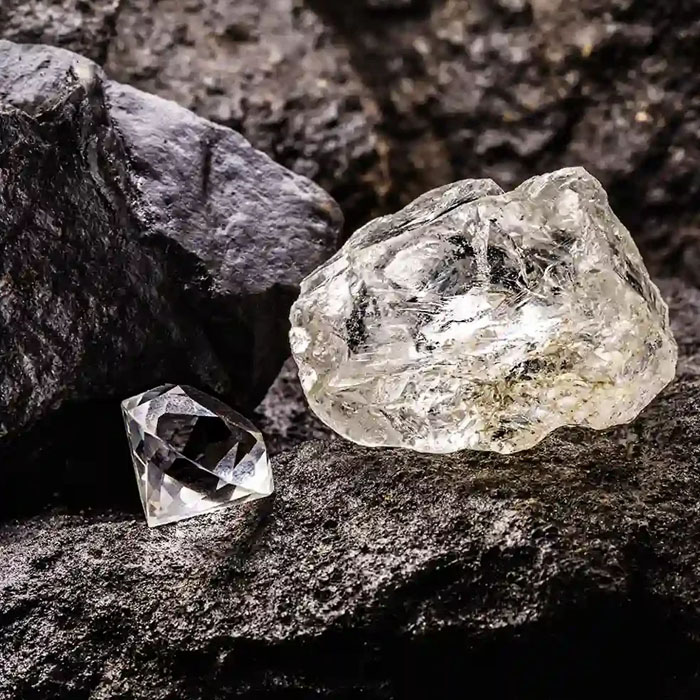
Natural diamonds, by comparison, are geological gemstones formed over immense periods of time and become progressively rarer as carat weight and quality increase.
Neither option changes how carat itself is measured.
Carat Is Only One Part of Choosing a Diamond
A diamond should not be selected simply because it reaches a particular carat weight.
When comparing diamonds, consider all of the 4Cs:
Cut – how effectively the diamond interacts with light
Colour – the presence or absence of body colour
Clarity – the nature and visibility of inclusions
Carat – the diamond’s weight
Proportions, certification and your chosen setting should also form part of the decision.
For many buyers, the best diamond is not necessarily the largest diamond their budget allows. It is the diamond that provides the best combination of visual size, brilliance, quality and value for the jewellery being created.
Choosing Your Diamond with Polished Diamonds
Polished Diamonds creates diamond engagement rings and luxury jewellery in New Zealand using certified natural and lab-grown diamonds, advanced CAD jewellery design and skilled craftsmanship.
Our jewellery designers can help you compare carat weights, diamond dimensions and the other 4Cs before designing your ring around the selected stone.
Visit our jewellery design studios in Auckland, Wellington or Christchurch, explore our diamond rings online, or work remotely with our design team from anywhere in New Zealand.
Diamond Carat FAQs
One carat equals 200 milligrams, or 0.20 grams.
No. Shape, depth and proportions can cause two one-carat diamonds to have different face-up dimensions.
Not necessarily. A larger diamond can have poorer cut, colour or clarity. Overall quality and appearance should be considered together.
A 0.50ct diamond weighs half a carat, equivalent to 50 points.
Yes. Natural and lab-grown diamonds are weighed using exactly the same carat measurement.
Understanding Diamond Carat: Key Takeaways
- Diamond carat measures weight, not visible size; one carat equals 200 milligrams.
- Larger natural diamonds are generally rarer, which contributes to higher prices as carat weight increases.
- Different shapes distribute weight differently, affecting visual size; consider these in your choice.
- A good carat weight depends on personal style, design, and budget; don’t choose based solely on carat.
- Comparing all 4Cs—cut, colour, clarity, and carat—will help you select the best diamond for your needs.