How to Choose a Jeweller in New Zealand: 8 Jewellery Buying Pitfalls to Avoid
Buying an engagement ring, wedding ring or important piece of fine jewellery should feel exciting—not confusing or rushed. However, each jeweller may present prices, diamonds, precious metals and making methods differently. As a result, comparing your options can feel difficult.
Therefore, do not judge value by the largest discount alone. Instead, choose a jeweller who clearly explains what you are buying, who made it, how they checked its quality and what help you will receive after the sale.
Quick answer: how do you choose a reputable jeweller?
A reputable New Zealand jeweller should be able to explain:
- The full price and exactly what it includes.
- Whether the diamond has an independent grading report.
- The difference between a diamond report and a jewellery valuation.
- The type and purity of the precious metal.
- Where and how the jewellery will be made.
- What the warranty covers.
- What maintenance may be required.
- What happens if the ring needs resizing, repairing or remaking.
Take the time to compare your options, and choose a jeweller who supports an informed decision without pressuring you to buy immediately.
1. Look beyond the advertised discount
Although a large discount may look appealing, it does not always mean good value. Instead, compare the final price with the quality of the diamond, precious metal, design and workmanship.
When comparing two rings, ask for a written breakdown covering:
- Diamond or gemstone specifications.
- Precious-metal type and carat.
- Ring dimensions and approximate metal weight.
- Whether the ring is custom-made or mass-produced.
- Manufacturing method.
- Warranty and aftercare.
- Resizing and servicing costs.
Therefore, a written breakdown gives you a clear basis for comparison.
At Polished Diamonds, we use clear pricing based on your chosen design, metal and gemstone. As a result, you can compare the true value without relying on constant sales or promotional discounts.
2. Ask for an Independent diamond grading report
For a significant centre diamond, first ask whether a well-known independent gem laboratory has graded it.
A diamond grading report records important quality and identification details, including:
- Carat weight.
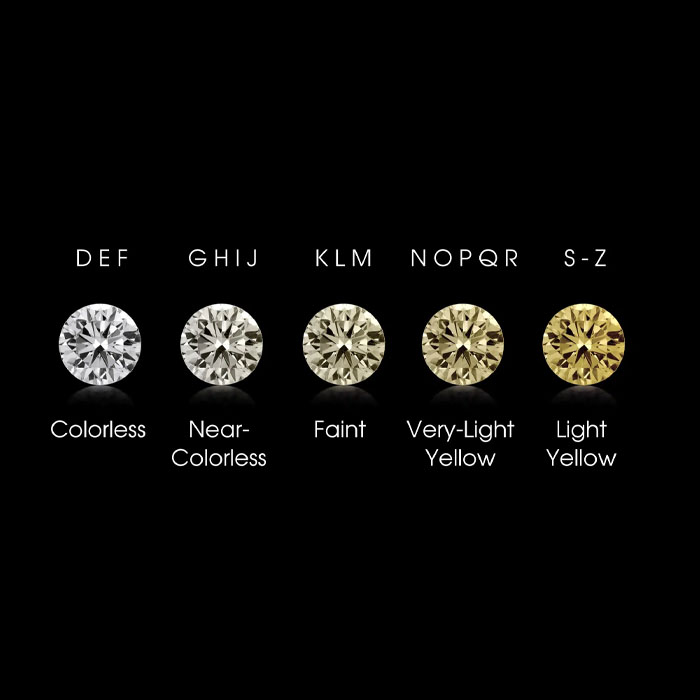
- Colour grade.
- Clarity grade.
- Measurements and proportions.
- Polish and symmetry.
- Fluorescence.
- Cut grade, where applicable.
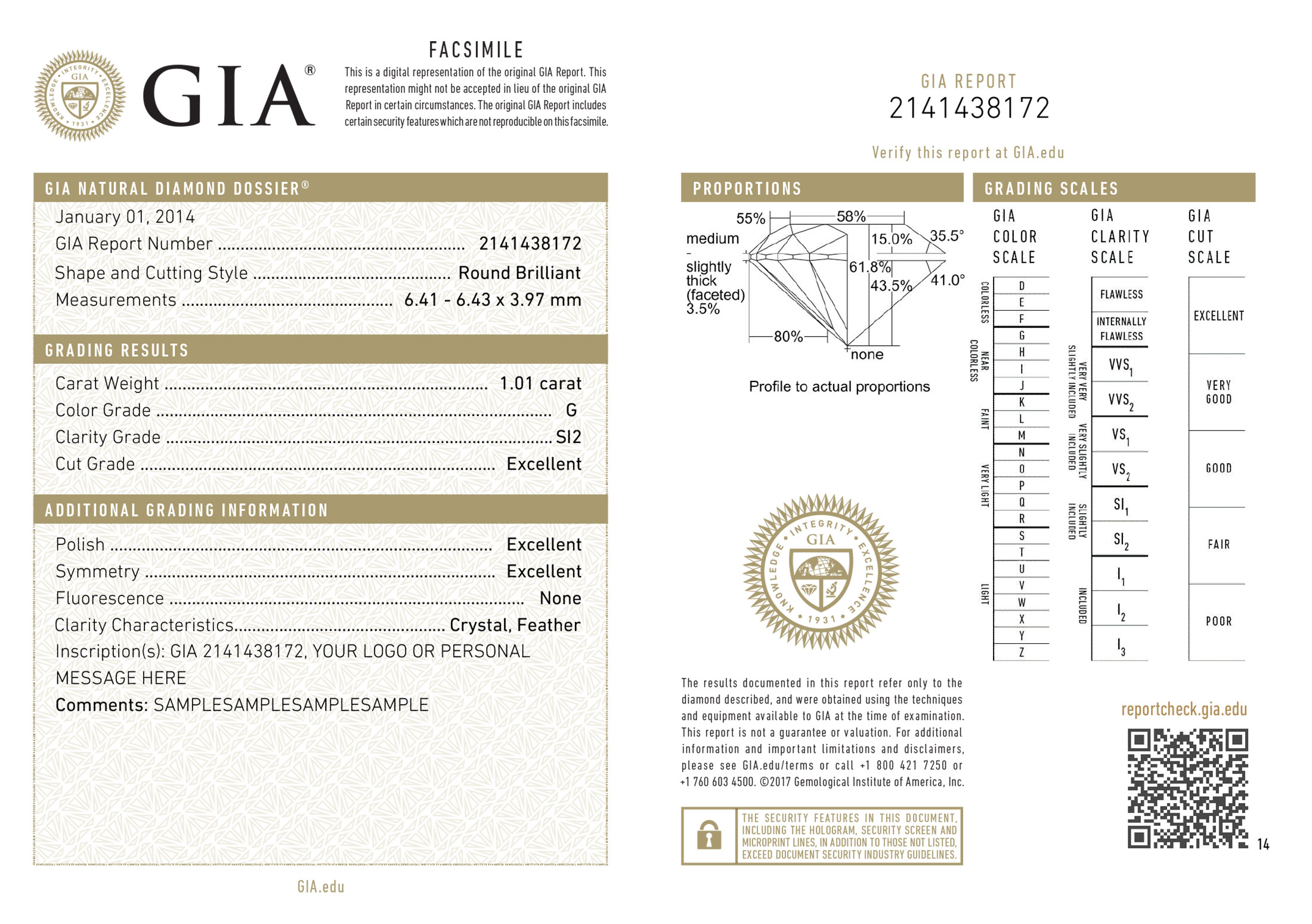
For example, a GIA grading report gives an independent assessment of a diamond’s quality and identifying details. Some GIA report services include a laser-inscribed report number, while others offer it as an extra service. If the diamond has an inscription, a jeweller can view it under magnification and check the number through GIA Report Check.
Polished Diamonds supplies diamonds graded by well-known laboratories, including GIA and IGI. Therefore, you receive clear documents that support the diamond’s stated quality.
3. Understand the difference between a diamond grading report and a valuation
A diamond grading report and a jewellery valuation serve different purposes. First, a grading report records the quality and identifying details of a loose diamond. In contrast, a jewellery valuation reviews the finished piece and estimates its value for a stated purpose.
A jewellery valuation may include:
- The diamond and gemstone specifications.
- Precious-metal type and weight.
- Setting and manufacturing details.
- Condition.
- An estimated value for a stated purpose, commonly insurance replacement.
Therefore, an insurance valuation may be higher than the purchase price because it estimates replacement costs under current market and policy terms. However, it does not show the jewellery’s resale value or prove that you received a set discount. A GIA report assesses diamond quality, while an appraisal estimates monetary value.
Polished Diamonds can arrange detailed valuations performed by independent, qualified jewellery professionals.
4. Ask what precious metal is being used
The carat mark tells you the proportion of gold within a gold alloy. For example, 9-carat, 14-carat and 18-carat gold contain different proportions of pure gold.
However, carat alone does not tell you everything about the finished ring. Jewellers mix gold with other metals to add colour, strength and wear resistance. As a result, the alloy can affect the ring’s appearance, hardness, care needs and comfort for people with sensitive skin.
Ask the jeweller:
- Is the ring solid gold or platinum?
- What carat of gold is being supplied?
- Is the white gold rhodium plated?
- Does the alloy contain nickel?
- Is the ring cast, milled or fabricated?
- What maintenance will the finish require?
- Which metal is most suitable for the design and the wearer’s lifestyle?
Nickel-free and lead-free jewellery from Polished Diamonds
Polished Diamonds does not use nickel or lead in its precious-metal jewellery alloys. Instead, we use high-quality gold and platinum alloys chosen for strength, comfort and suitability for sensitive skin.
Our nickel-free precious-metal alloys are hypoallergenic and designed for lasting comfort. Therefore, Polished Diamonds jewellery is an excellent choice for people with sensitive skin. As with any material, individual sensitivities can vary.
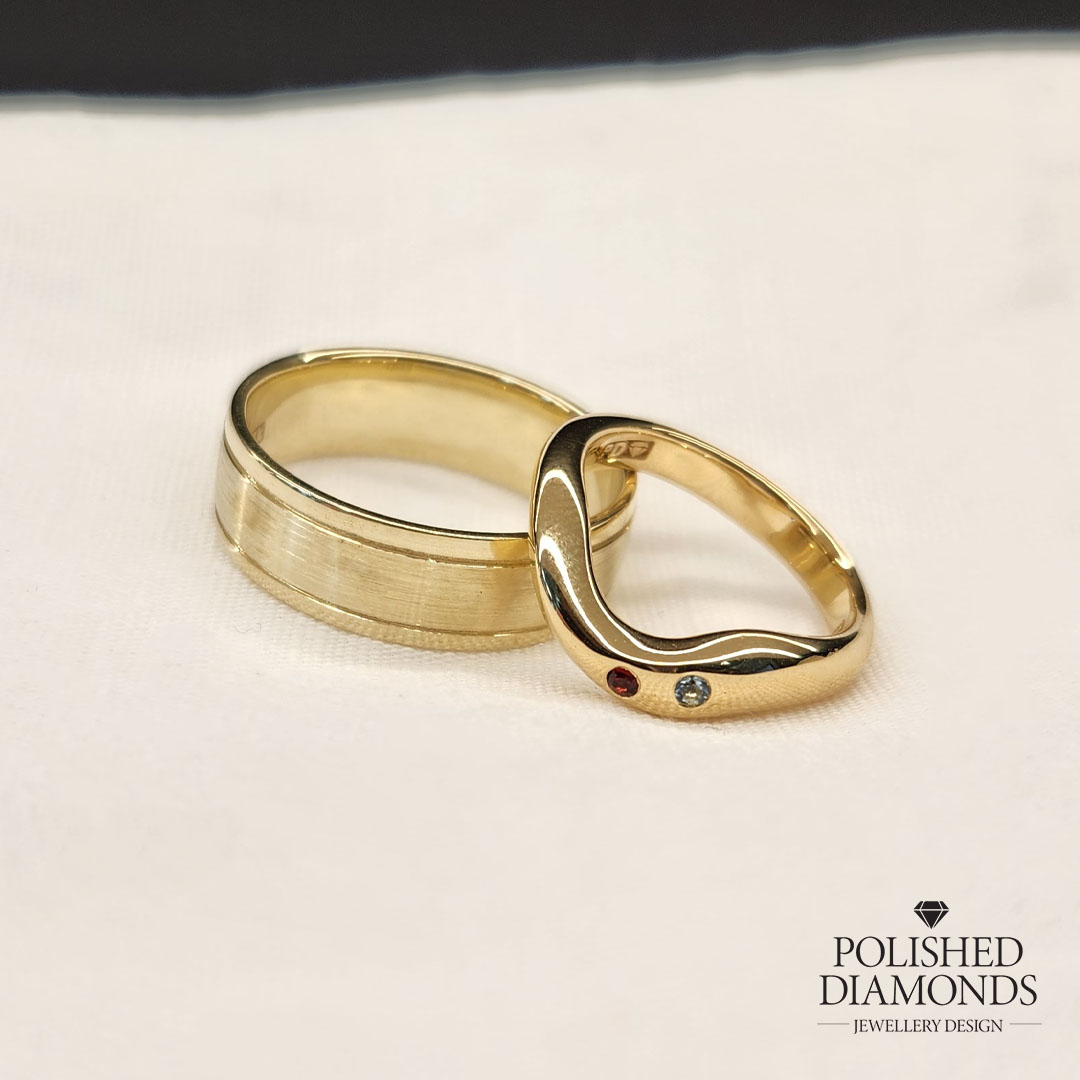
Our white gold is rhodium plated for a bright white finish. Over time, however, the coating may wear and need replating. The rate of wear depends on your lifestyle, skin chemistry and how often you wear the ring.
5. Examine the diamond—not only the clarity grade
Although two diamonds may share the same colour, clarity and carat grades, they can still look noticeably different.
Clarity grading considers the type, number, size, position and visibility of a diamond’s internal and external features. In particular, an inclusion’s location can affect how the diamond looks just as much as the clarity grade.
When comparing diamonds, look at:
- Whether inclusions are visible without magnification.
- Their location within the diamond.
- The diamond’s transparency.
- Cut proportions and light performance.
- Fluorescence.
- Overall face-up appearance.
- How the stone looks under several lighting conditions.
For example, a carefully selected SI1 or SI2 diamond may offer excellent value. However, you should never judge a diamond by its clarity grade alone. At Polished Diamonds, we assess each stone to find the best balance of beauty, quality and price for your budget. In addition, we can bring your selected diamond into one of our studios for you to view before you approve it and production begins. Therefore, you can assess the actual diamond rather than relying only on a grading report or high-resolution images.
6. Do not feel pressured to decide immediately
An engagement ring or custom jewellery purchase often involves several decisions: design, diamond shape, gemstone quality, metal, finger size, budget and long-term wear.
A professional consultation should make these choices easier to understand. However, it should never pressure you into making a quick decision.
Be cautious when a salesperson:
- Says an offer is available only if you purchase immediately.
- Avoids providing specifications in writing.
- Will not let you compare diamonds.
- Dismisses questions about manufacturing or aftercare.
- Encourages you to exceed your stated budget without a clear reason.
- Cannot explain who will make or service the ring.
A good jewellery designer will explain your options and give you time to decide. At Polished Diamonds, you can review ring styles, diamond choices and CAD designs before production. In addition, our CAD process uses the chosen gemstone measurements and finger size to show the ring’s proportions before we make it.
7. Consider the wedding ring before finalising the engagement ring
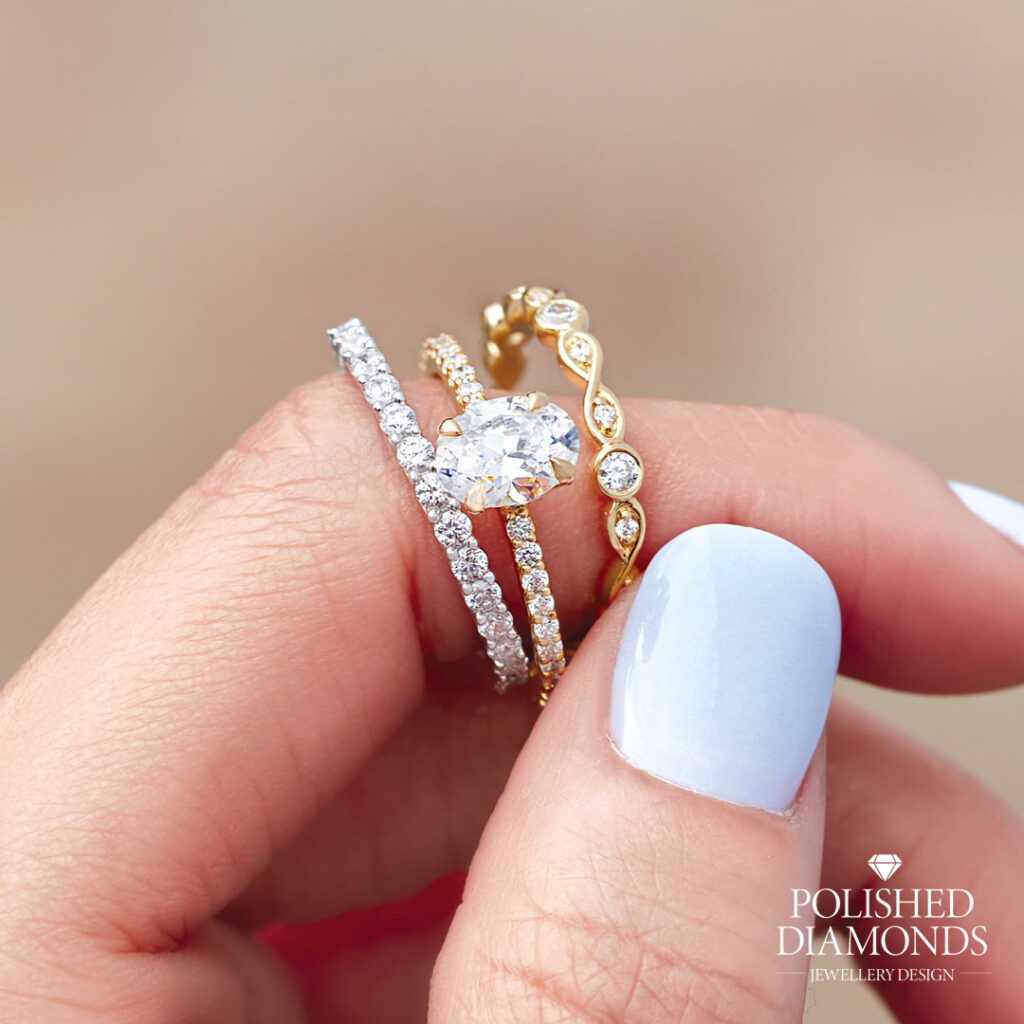
You do not need to buy the engagement ring and wedding ring at the same time. However, you should consider how the wedding ring will eventually sit beside the engagement ring.
Ask:
- Will a straight wedding band sit flush against the engagement ring?
- Will a shaped or contoured band be required?
- Could the engagement ring setting rub against the wedding ring?
- Can the original design be reproduced later?
- Will the jeweller retain the CAD model and specifications?
- Can the existing ring be scanned when the wedding band is designed?
Polished Diamonds keeps CAD designs and ring details, so we can create a matching wedding ring when you are ready. Alternatively, we can scan an existing engagement ring and design a custom band for a close and comfortable fit.
8. Check the warranty, servicing and long-term support
A jewellery warranty should clearly state what it covers and what counts as normal wear.
Ask about:
- Manufacturing defects.
- Claw and setting inspections.
- Stone tightening.
- Cleaning and polishing.
- Rhodium plating.
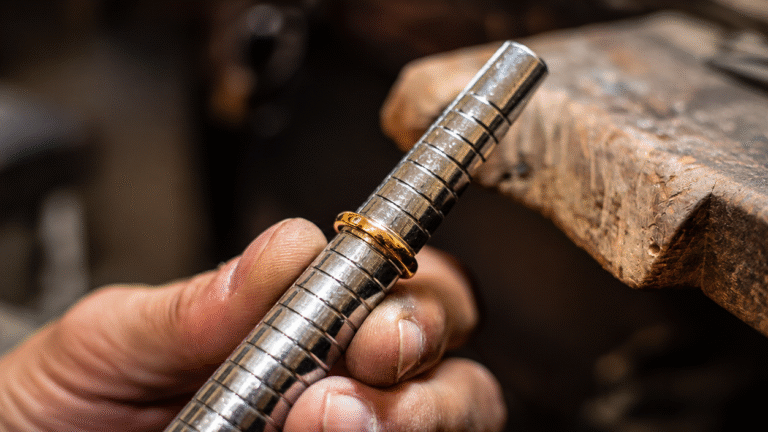
- Ring resizing.
- Accidental damage.
- Loss of stones.
- Required inspection intervals.
Many white-gold rings use rhodium plating for a brighter white finish. However, the coating wears at different rates depending on the wearer, daily activities and the ring’s finish. Therefore, ask what care your chosen design will need rather than relying on one set lifespan.
Polished Diamonds backs its custom jewellery workmanship with a lifetime manufacturing guarantee and offers ongoing cleaning, servicing and repair support through its New Zealand studios.
New Zealand consumers also have rights under the Consumer Guarantees Act. These rights apply alongside a written warranty and set basic standards for acceptable quality and fitness for purpose.
Your Jewellery buying checklist
Before placing an order, confirm that you have received:
- A written quotation.
- The complete diamond or gemstone specifications.
- Precious-metal and ring specifications.
- An agreed CAD design for custom jewellery.
- The expected production timeframe.
- Warranty terms.
- Resizing and aftercare information.
Keep all reports, valuations, receipts, CAD approvals and insurance documents together.
Why choose Polished Diamonds?
Polished Diamonds is a New Zealand jewellery designer and maker specialising in custom engagement rings, wedding rings and fine jewellery.
Our clients can:
- Select natural or lab-grown diamonds with recognised grading documentation.
- Compare precious metals and gemstone options.
- Preview custom designs using architectural CAD technology.
- Request adjustments before production.
- Access independent jewellery valuations.
- Receive ongoing servicing and jewellery-care support.
- Visit our design studios in Auckland, Wellington and Christchurch.
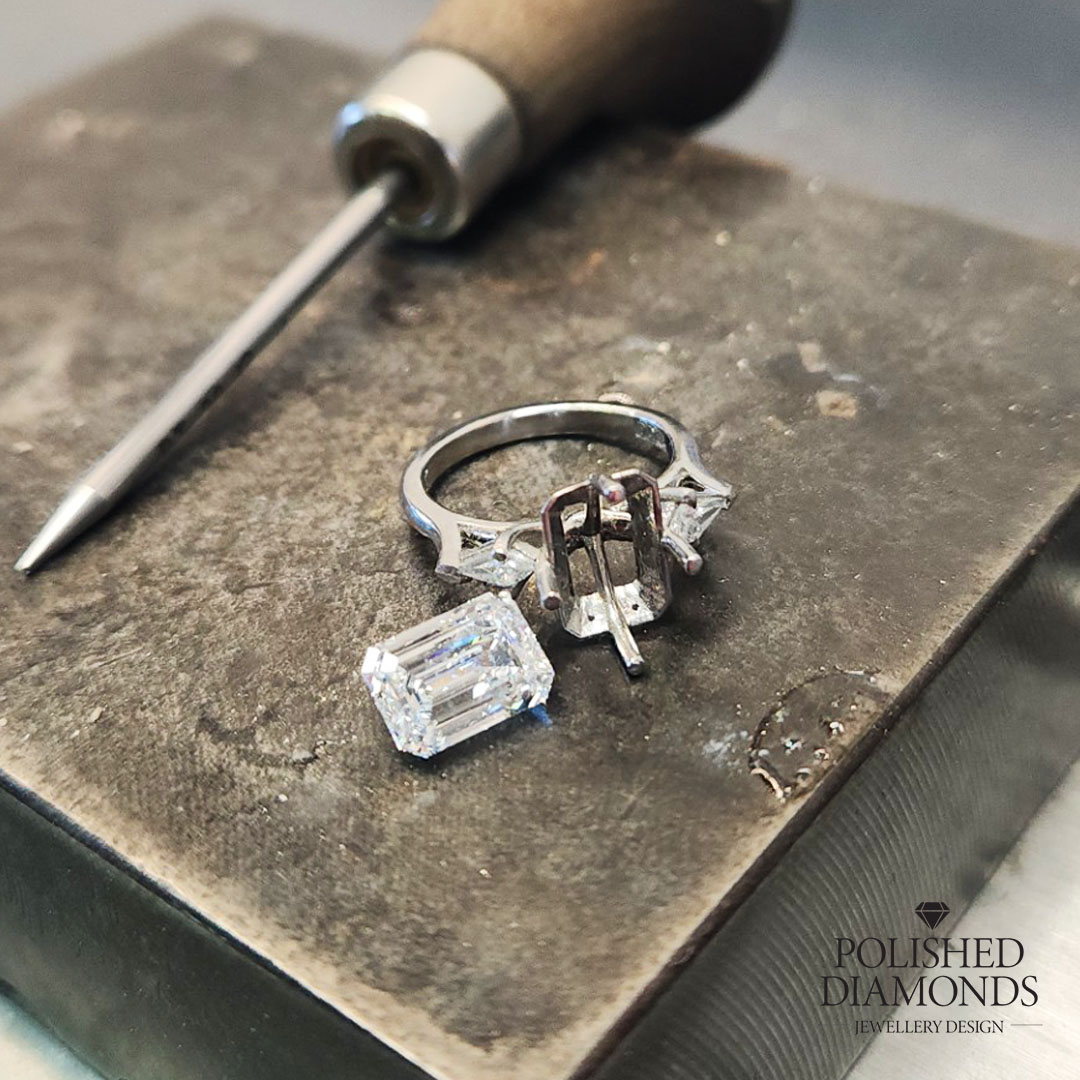
Above all, we give you the clear information you need to make a confident choice—without pressure, confusing discounts or unnecessary sales tactics.
Speak with a New Zealand jewellery designer
Choosing jewellery should feel clear and enjoyable. Whether you are researching an engagement ring, comparing diamonds or planning a custom design, our team will explain each option in plain language.
To get started, visit Polished Diamonds in Auckland, Wellington or Christchurch, explore our diamond ring collection online, or contact our team to discuss your ideas.
FAQ’s
Look for transparent written specifications, recognised diamond grading reports, clear warranty terms, evidence of manufacturing expertise, independent reviews and reliable aftercare. The jeweller should also answer questions without pressuring you to purchase.
A significant centre diamond should generally have appropriate quality documentation from a recognised independent laboratory. Smaller accent diamonds are often supplied as parcels and may not have individual reports.
Not necessarily. An insurance valuation may estimate replacement cost rather than the amount you would receive if you sold the ring.
No. A matching wedding ring can be designed later, particularly when the jeweller retains the engagement ring’s CAD file or can digitally scan the finished ring.
The warranty should state what manufacturing faults are covered, what maintenance is required and what is excluded as normal wear, accidental damage or loss.
HOW TO CHOOSE A JEWELLER IN NZ: KEY TAKEAWAYS
- Choosing a reputable jeweller involves understanding pricing, diamond grading, and precious metals.
- Compare options by asking for detailed written specifications and independent grading reports.
- Don’t rush; take time to evaluate designs, quality, and warranty coverage before buying.
- Consider how the engagement ring will pair with the wedding ring and keep all documents organized.
- Polished Diamonds offers custom designs, clear information, and ongoing support for your jewellery needs.