How Much Do Engagement Rings Cost in New Zealand? 2026 Price Guide
The cost of an engagement ring in New Zealand can range from approximately NZ$2,600 for a simple design to more than NZ$10,000 for a larger diamond, premium precious metal or detailed custom ring.
As a practical starting point, many buyers plan to spend between NZ$3,000 and NZ$8,000. However, there is no amount that every person should spend. The right engagement ring budget is one that suits your financial circumstances while allowing you to choose a ring that is beautiful, durable and meaningful.
At Polished Diamonds, we create diamond engagement rings using natural diamonds, lab-grown diamonds and coloured gemstones. Regardless of your price range, our team can work with you to compare suitable diamonds, gemstones, metals and ring designs so you receive the best possible balance of quality, appearance and value within your budget.
Every design can be personalised around your preferred style, finger size, lifestyle and budget.
Engagement Ring Prices in New Zealand
The following price brackets provide a useful starting point when planning your engagement ring budget. Actual prices will depend on the diamond or gemstone, precious metal, ring design and level of craftsmanship required.
All prices in this guide are indicative and shown in New Zealand dollars; diamond, gemstone and precious-metal prices can change over time.
Engagement Rings Under NZ$3,000
An engagement ring below NZ$3,000 may feature:
- A smaller natural diamond
- A lab-grown diamond
- A sapphire or another coloured gemstone
- A simple solitaire setting
- A lighter ring design
- 9-carat or 10-carat gold
Keeping the setting simple allows more of the available budget to be allocated to the centre stone. A well-cut smaller diamond can also appear brighter and more attractive than a larger diamond with poor proportions.
Engagement Rings From NZ$3,000 to NZ$5,000
This is a practical starting range for many New Zealand buyers.
Depending on the diamond and design, this budget can provide:
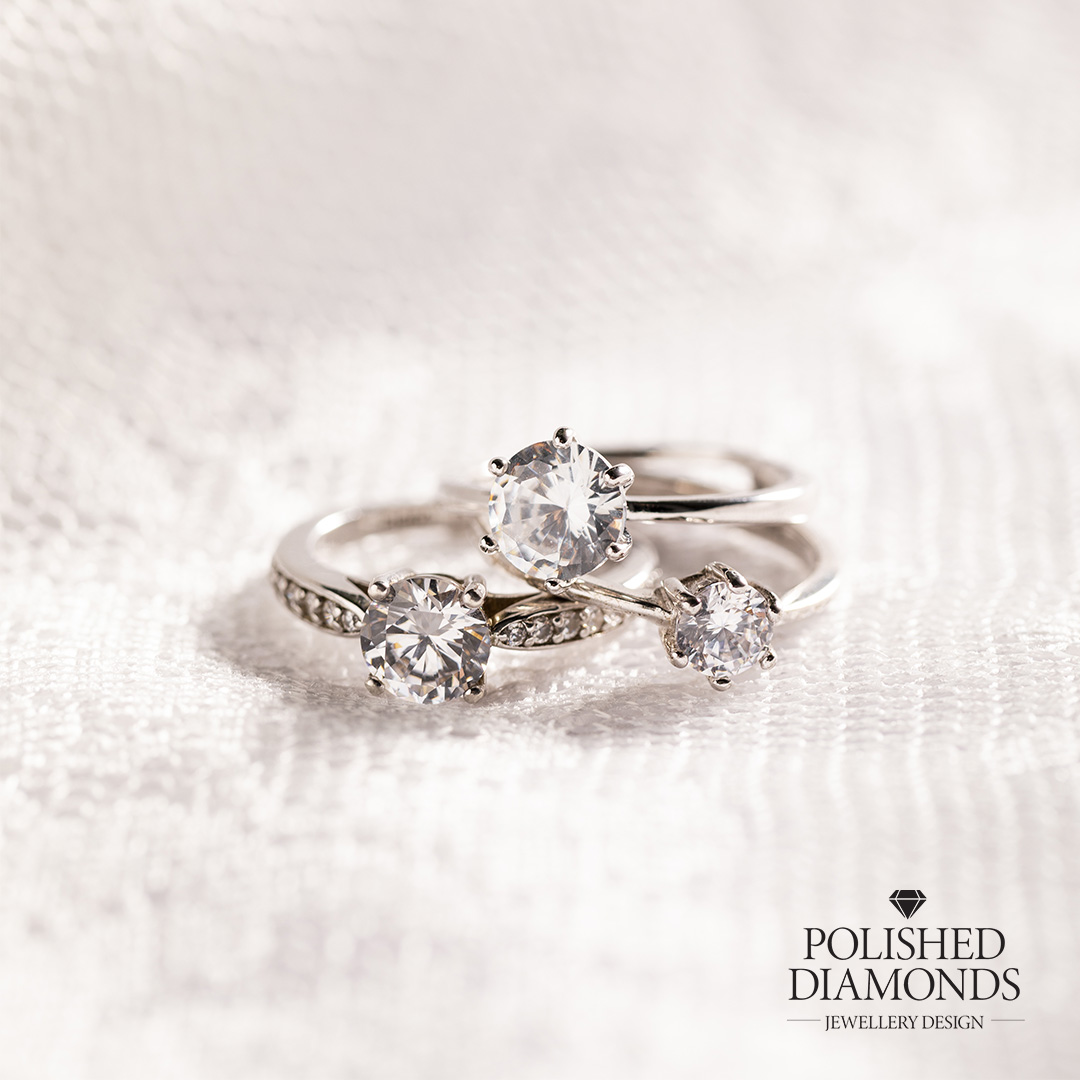
- A classic solitaire engagement ring
- A certified natural or lab-grown diamond
- A gemstone with smaller accent diamonds
- White, yellow or rose gold
- A personalised CAD-designed setting
- Smaller accent diamonds or a hidden halo
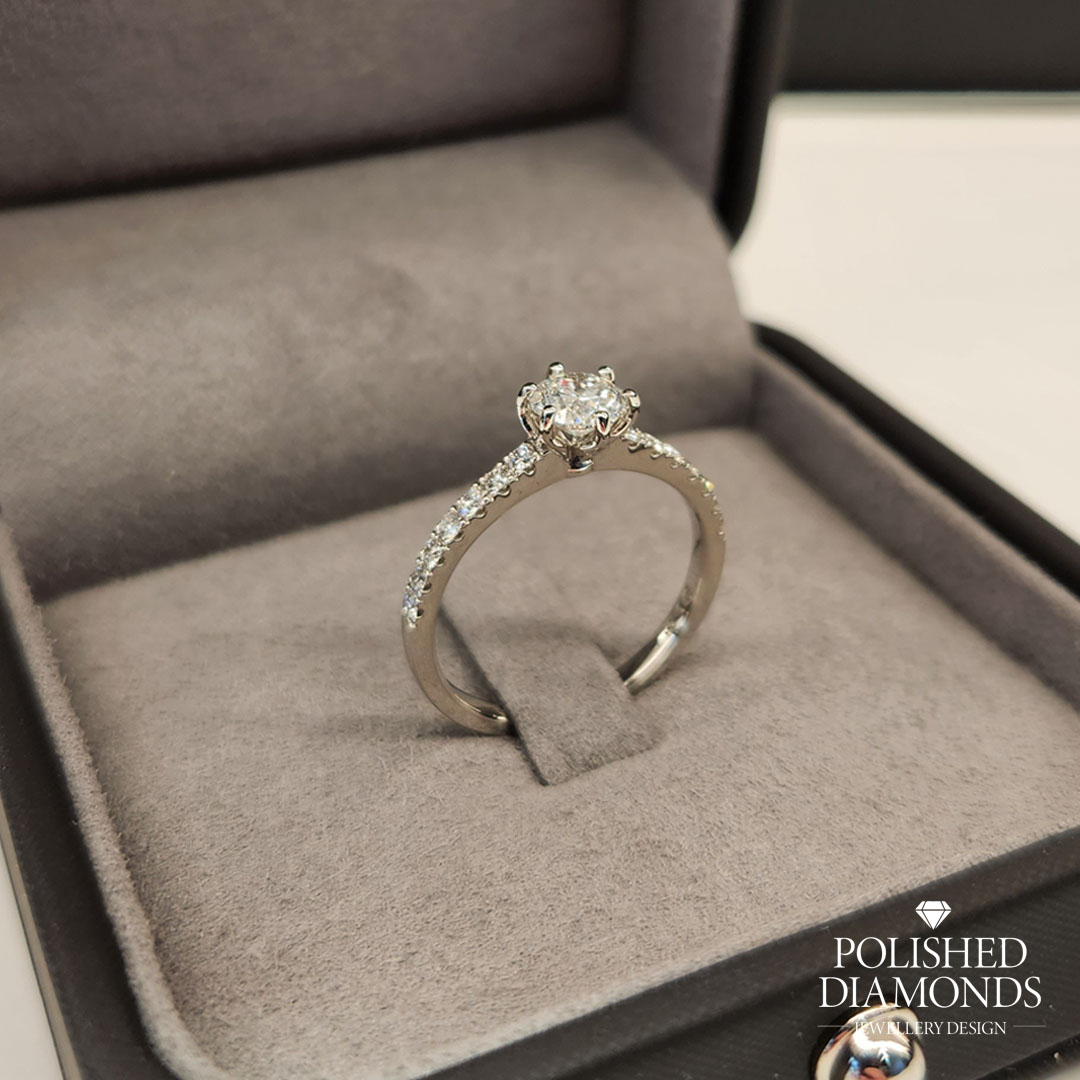
Choosing a lab-grown diamond within this range may provide greater flexibility around carat weight, colour and clarity.
Engagement Rings From NZ$5,000 to NZ$9,000
This budget provides a wider selection of diamond sizes, qualities and ring designs.
Options may include:
- A larger lab-grown diamond
- A carefully selected natural diamond
- Platinum or higher-carat gold
- Solitaire, halo, trilogy or diamond-accent designs
- More detailed customisation
- Premium diamond shapes and proportions
For many couples, this range offers a strong balance between diamond appearance, precious metal quality, craftsmanship and long-term durability.
Engagement Rings Over NZ$9,000
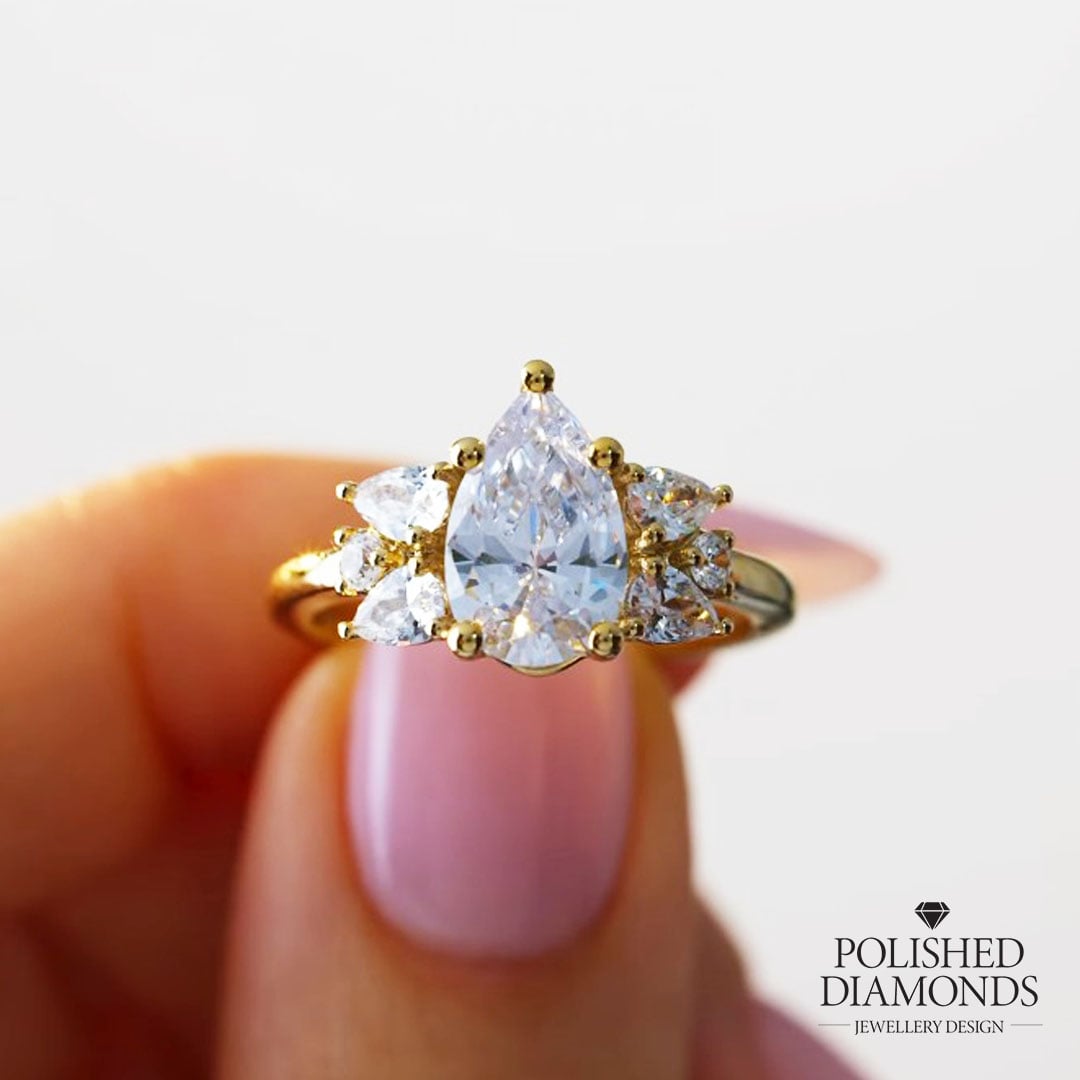
Engagement rings above NZ$9,000 may feature:
- Larger natural diamonds
- Rare diamond qualities or shapes
- Premium coloured gemstones
- Larger-carat lab-grown diamonds
- Platinum settings
- Detailed halos, side stones or trilogy designs
- Complex bespoke jewellery design
- Heavier or more substantial precious-metal settings
There is no upper limit to the cost of a custom engagement ring. Rare natural diamonds, exceptional gemstones and one-of-a-kind designs can extend well beyond these indicative ranges.
What Determines the Cost of an Engagement Ring?
An engagement ring’s price is normally determined by a combination of the centre stone, precious metal, design and manufacturing process.
1. Natural or Lab-grown Diamonds
The origin of the diamond can have a major effect on the price.
Natural diamonds form within the earth, while lab-grown diamonds are created under controlled conditions. Lab-grown diamonds have essentially the same chemical composition, crystal structure and optical and physical properties as natural diamonds, but they can usually be purchased at a substantially lower price.
Choosing a lab-grown diamond may allow you to select:
- A larger carat weight
- A higher colour grade
- A higher clarity grade
- A more detailed ring setting
Natural diamonds remain popular with buyers who value their geological origin, rarity and traditional significance.
Neither option is automatically right for everyone. The best choice depends on your priorities, values and budget.
2. Diamond Cut, Colour, Clarity and Carat Weight
Diamond quality is assessed using the 4Cs:
- Cut: How effectively the diamond reflects light
- Colour: How colourless a white diamond appears
- Clarity: The visibility of internal and external characteristics
- Carat: The weight of the diamond
The 4Cs are the internationally recognised framework for evaluating diamond quality.
Carat weight often has the most noticeable effect on price, particularly with natural diamonds. However, a larger carat weight does not always mean a more beautiful diamond.
Cut quality, proportions and visible measurements can have a significant effect on brilliance and apparent size. A diamond should therefore be assessed by how it performs visually, not only by the grades printed on its certificate.
3. Diamond Shape
Diamond shape can also influence cost.
Round brilliant diamonds often command a higher price than many fancy shapes because of their popularity and the amount of rough diamond lost during cutting.
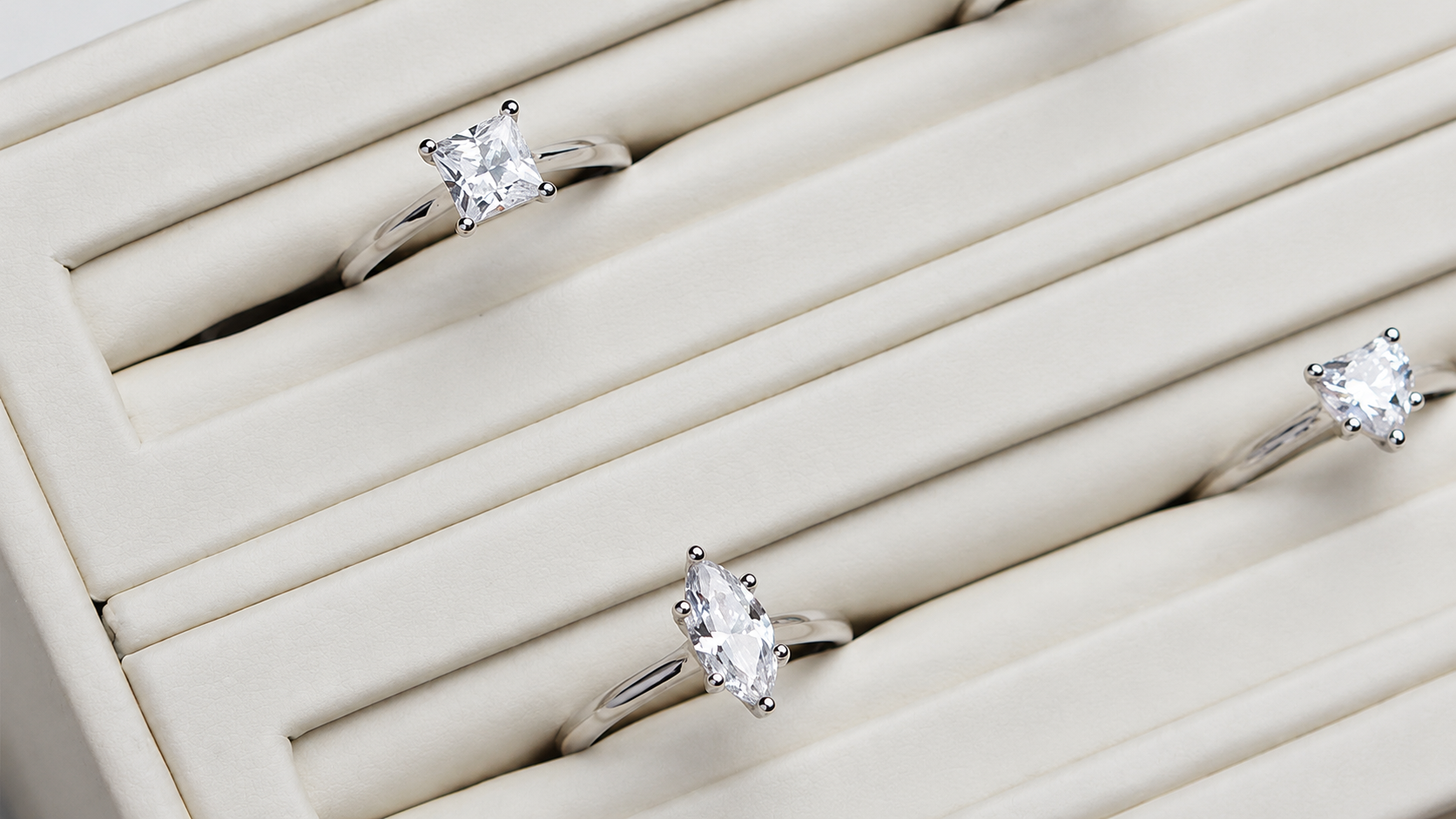
Oval, pear, marquise, radiant, cushion, princess, emerald and Asscher-cut diamonds provide different appearances and price points. Elongated shapes such as oval, pear and marquise diamonds can also appear larger from above than some round diamonds of the same carat weight.
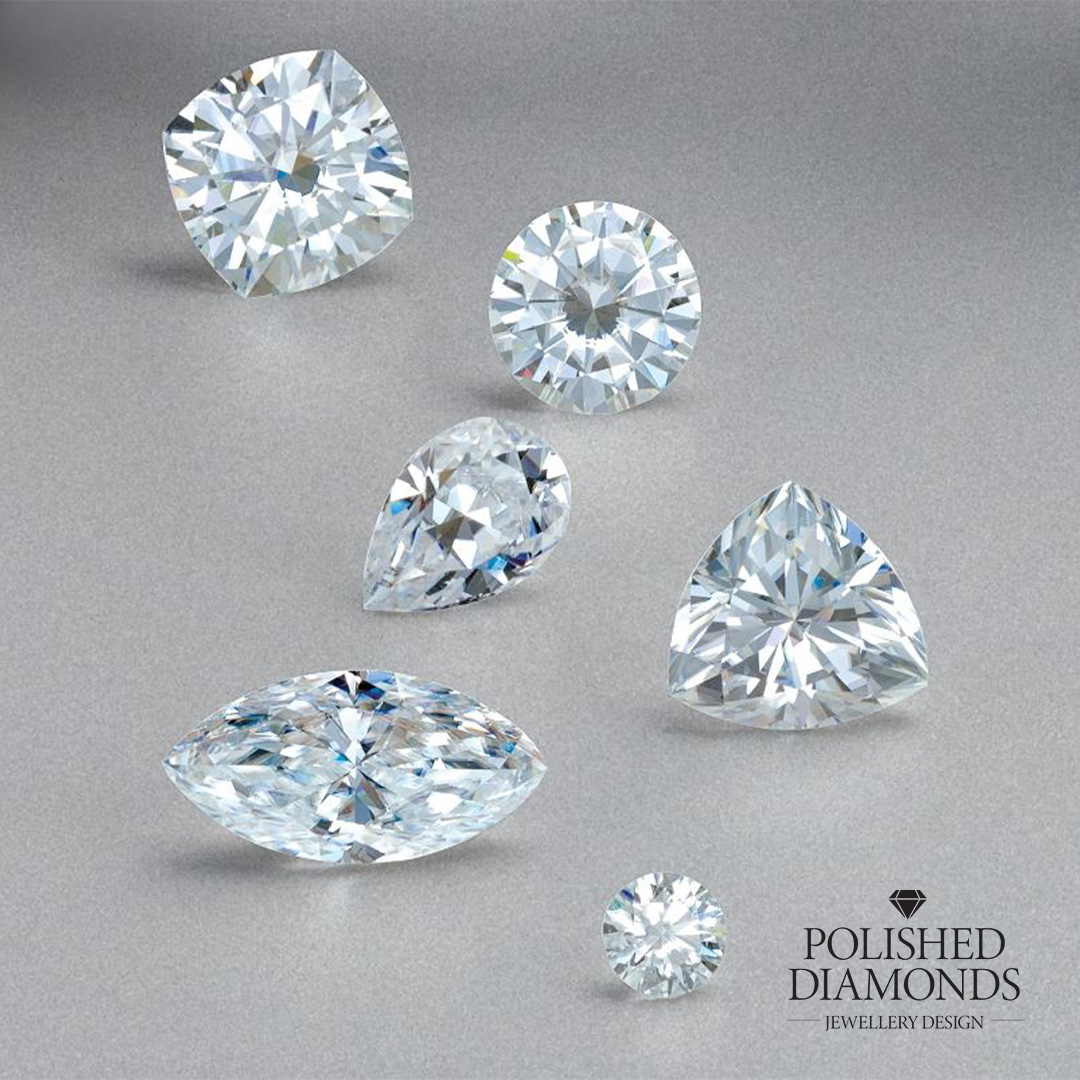
The best shape is ultimately the one that suits the wearer’s personal style.
4. Ring Style and Setting
A simple solitaire setting will generally require less metal and labour than a ring containing numerous accent diamonds or intricate decorative details.
Popular engagement ring styles include:
- Solitaire
- Solitaire accent
- Hidden halo
- Traditional halo
- Trilogy or three-stone
- Vintage-inspired
- Bezel-set
- Custom asymmetrical designs
Additional diamonds, detailed galleries, hand-finishing and technically complex settings can increase the final price.
However, custom design does not necessarily mean an unaffordable ring. A jeweller can design around a defined budget and allocate spending to the features that matter most.
5. Precious Metal
Engagement rings can be made in:
- Platinum
- White gold
- Yellow gold
- Rose gold
The cost will depend on the type of metal, its purity, the amount required and the weight of the finished ring.
Platinum is naturally white and dense, making it a popular choice for engagement rings. Gold offers greater flexibility across colour and carat options, including 9-carat, 10-carat, 14-carat and 18-carat alloys.
The metal should be chosen for durability, appearance, maintenance requirements and budget rather than price alone.
6. Craftsmanship and Manufacturing Quality
Two engagement rings containing diamonds with similar certificates can still differ significantly in quality.
Important manufacturing details include:
- Claw strength and alignment
- Stone security
- Ring thickness
- Setting symmetry
- Comfort
- Surface finish
- Structural support
- Quality control
- Aftercare and warranty protection
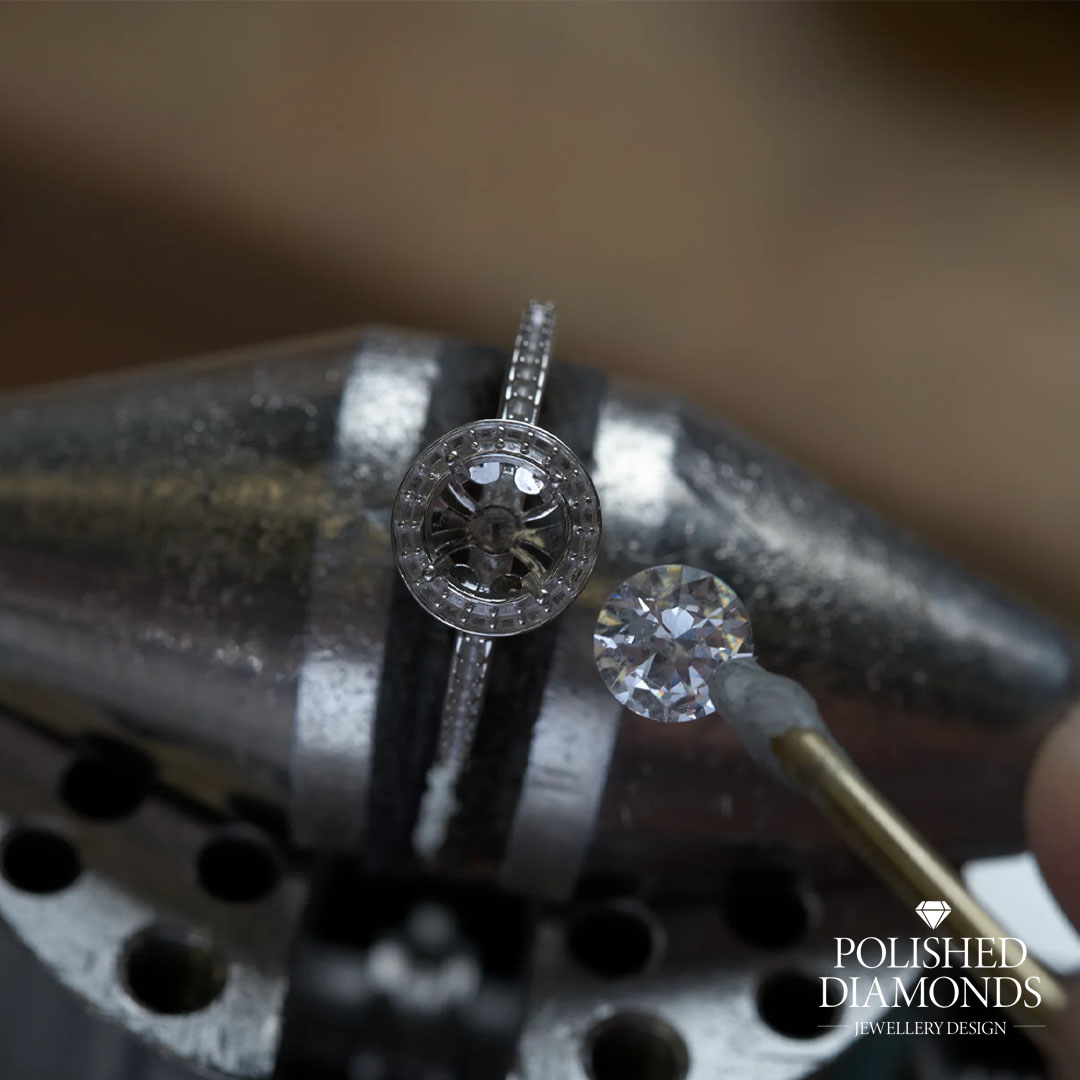
An unusually low price may reflect a lighter setting, lower manufacturing standards, limited aftercare or an uncertified centre stone. When comparing quotes, check exactly what is included rather than comparing only the total price.
Natural Versus Lab-Grown Engagement Ring Costs
Lab-grown diamonds generally provide the greatest visible size for a set budget. A buyer who could afford a smaller natural diamond may be able to select a considerably larger lab-grown diamond with comparable colour and clarity.
Natural diamonds generally require a higher budget at the same carat weight and quality level.
Consider the following priorities:
Choose a natural diamond when you value:
- Natural geological origin
- Rarity
- Traditional significance
- Long-established market recognition
Choose a lab-grown diamond when you value:
- A larger visual size
- Higher grades within a defined budget
- Lower initial purchase cost
- Modern diamond-growing technology
Both options are genuine diamonds and can be independently assessed and certified. The diamond’s origin should always be disclosed clearly on its grading documentation.
How Much Should You Spend on an Engagement Ring?
You do not need to follow the traditional idea of spending a fixed number of months’ salary.
Instead, set a comfortable total budget and decide which ring features are most important. These might include:
- Diamond size
- Natural or lab-grown origin
- Cut and sparkle
- Ring style
- Precious metal
- Customisation
- Long-term durability
Tell your jeweller your preferred budget at the beginning of the process. An experienced designer can then recommend suitable combinations rather than presenting options that are financially unrealistic. Polished Diamonds can work with you at any price point to identify where your budget will have the greatest visual and practical impact. This may involve comparing diamond cut, visible dimensions, colour, clarity, origin, setting style and precious-metal options.
It is often better to buy a well-designed, well-made ring with a carefully selected diamond than to stretch your budget for a particular carat weight.
Remember to Insure Your Engagement Ring
Once you receive the ring, contact your insurer and check whether it must be listed as a specified item under your contents policy.
Jewellery policies and item limits vary. Keep the purchase receipt, diamond certificate and current valuation documentation in a safe place. State Insurance notes that many engagement rings may exceed the standard limit applied to unspecified jewellery, making it important to check the individual policy.
Custom Engagement Rings Made in New Zealand
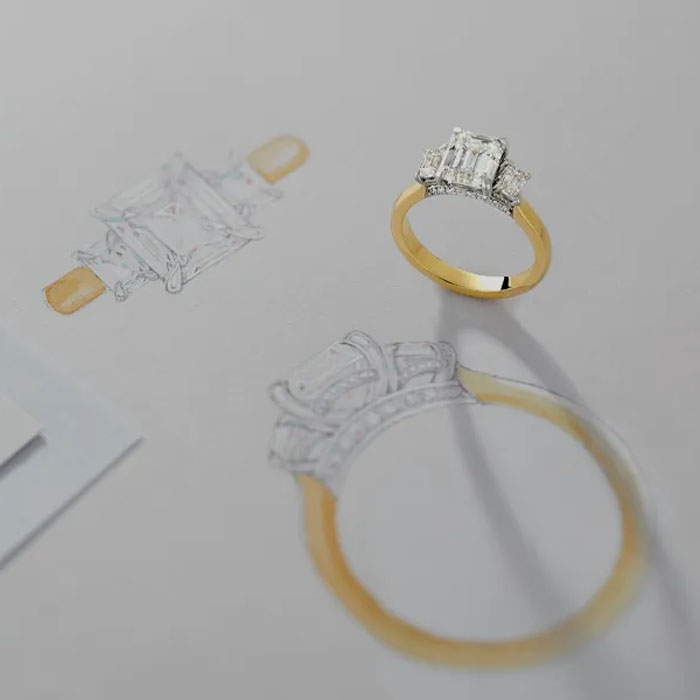
Polished Diamonds designs and crafts engagement rings in New Zealand using advanced CAD technology and skilled jewellery craftsmanship.
You can choose:
- A natural or lab-grown diamond
- Your preferred diamond shape and quality
- Platinum, white gold, yellow gold or rose gold
- An existing engagement ring style
- A completely custom design
Whether your budget is modest or substantial, our team can help you compare the available options and determine which combination offers the best value and quality. We provide clear guidance on diamond cut, colour, clarity, carat weight, visible size, precious metals, and setting design, so you can make an informed decision without pressure to spend beyond your preferred budget.
We create detailed CAD renders before manufacture so you can review the design, proportions and finer details. A 3D-printed resin model can also be produced when required, allowing you to assess the ring before it is made.
Our engagement rings are backed by a lifetime workmanship guarantee and are typically completed within one to two weeks after the final design has been approved. Visit our showrooms in Auckland, Wellington or Christchurch, or work with our team remotely from anywhere in New Zealand.
Frequently Asked Questions
A practical planning range for many engagement ring buyers is approximately NZ$3,000 to NZ$8,000. Simpler rings may start below this range, while larger natural diamonds, platinum settings and detailed custom designs can cost NZ$10,000 or more.
Yes. Options may include a simple gold setting, a smaller natural diamond, a lab-grown diamond or a coloured gemstone. Prioritising cut quality and keeping the setting simple can help maximise the available budget.
Lab-grown diamonds generally cost considerably less than natural diamonds with comparable size and quality grades. This can allow buyers to select a larger diamond or allocate more of the budget to the setting.
There is no single price for a one-carat engagement ring. The cost depends on whether the diamond is natural or lab-grown, along with its cut, colour, clarity, shape, certification and setting. Request a quote based on the complete diamond specifications rather than carat weight alone.
Not necessarily. A custom ring can be designed around a defined budget. The final price depends on the diamond, amount of metal, additional stones and complexity of the design rather than the word “custom”.
HOW MUCH ENGAGEMENT RINGS COST: Key Takeaways
- The cost of an engagement ring in New Zealand ranges from NZ$2,600 to over NZ$10,000, with many spending between NZ$3,000 and NZ$8,000.
- Engagement rings under NZ$3,000 typically include smaller natural or lab-grown diamonds and simple designs.
- Rings between NZ$3,000 and NZ$5,000 often feature classic solitaires and certified diamonds, offering a good balance of quality and budget.
- For NZ$5,000 to NZ$9,000, buyers may choose larger lab-grown or carefully selected natural diamonds with detailed customisation.
- Engagement rings over NZ$9,000 may include large or rare diamonds, bespoke designs and high-quality materials, with no upper price limit.