How to Design an Engagement Ring: A Step-by-Step Guide
Designing an engagement ring gives you the opportunity to create something personal, beautiful and made specifically for the person who will wear it.
The process does not need to be complicated. Start by deciding on a budget and considering the wearer’s style and lifestyle. Then choose the centre diamond or gemstone, ring setting, precious metal and finger size. Once these elements are established, a custom engagement ring can be created using CAD technology so you can see and refine the design before it is made.
At Polished Diamonds, we specialise in custom engagement ring design in New Zealand. Our designers can work from an existing ring style, an inspiration image or simply an idea and develop it into a finished engagement ring.
1. Set Your Engagement Ring Budget
Before choosing diamonds or ring styles, establish a comfortable budget.
There is no rule about how much an engagement ring should cost. Instead, decide what you are comfortable spending and then prioritise the elements that matter most to you.
Your budget can be divided between:
- the centre diamond or gemstone
- precious metal
- ring design and setting
- additional diamonds or gemstones
- custom design details
A custom ring can then be designed around your budget rather than choosing a finished ring and trying to make the budget fit.
2. Gather Engagement Ring Inspiration
You do not need to know exactly what the finished engagement ring should look like before speaking with a jewellery designer.
Start by collecting a few ideas from engagement rings you like. Look at jewellery websites, social media, photographs or rings you have seen in person.
Consider whether the wearer prefers:
- classic or contemporary jewellery
- simple or detailed designs
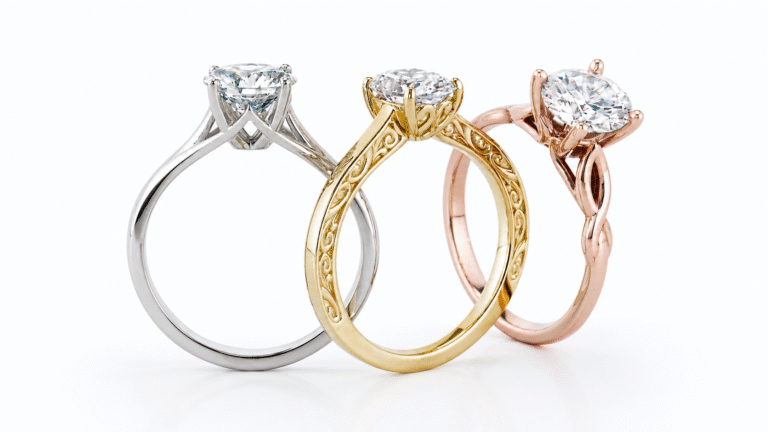
- white, yellow or rose-coloured metals
- subtle or statement jewellery
- traditional diamonds or coloured gemstones
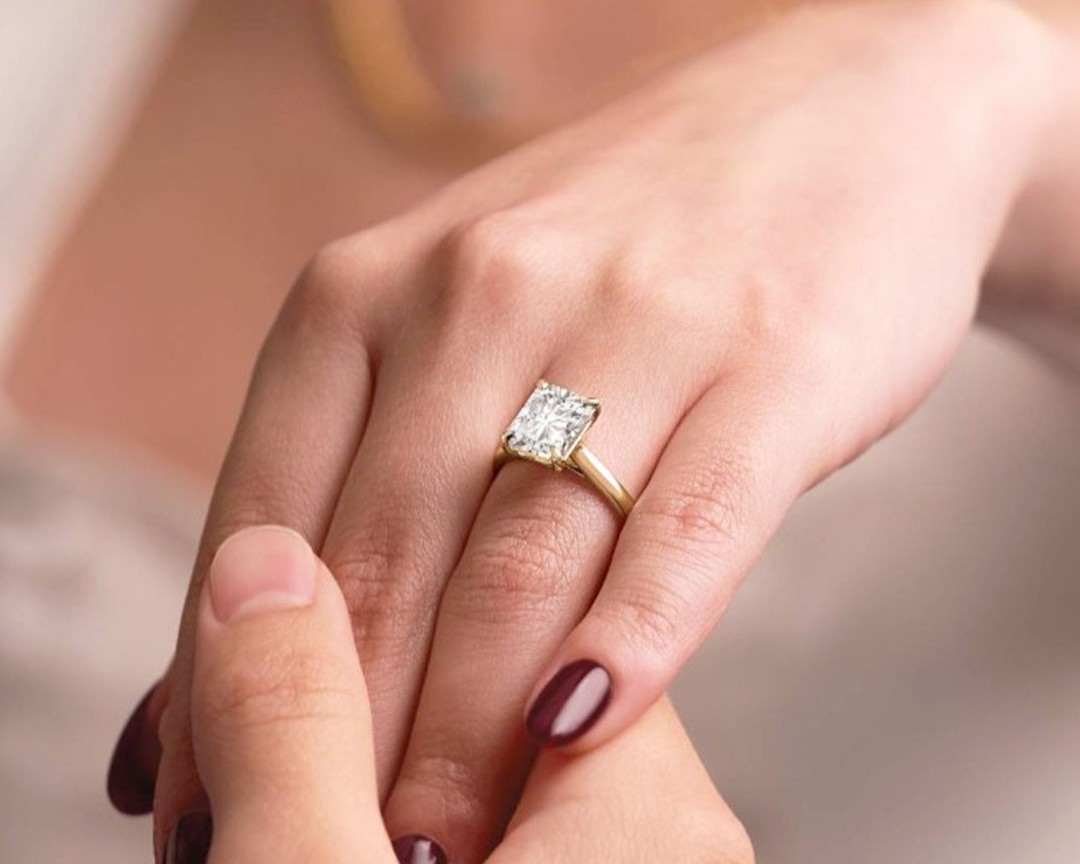
Lifestyle is also important. Someone who works frequently with their hands may prefer a lower-profile setting, while someone wanting maximum visual impact may prefer a higher setting, halo or diamond-set band.
A good jewellery designer can take several different ideas and combine the best elements into one cohesive ring.
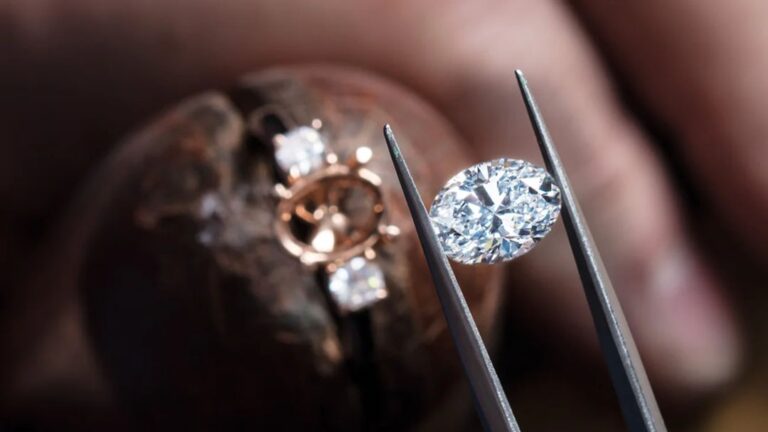
3. Choose Your Diamond or Gemstone
The centre stone usually has the greatest influence on the appearance of an engagement ring.
For a diamond engagement ring, begin by choosing the diamond shape. Popular options include:
- Round Brilliant
- Oval
- Emerald
- Radiant
- Princess
- Cushion
- Pear
- Marquise
- Asscher
You can then compare diamonds using the 4Cs: cut, colour, clarity and carat weight. These four characteristics are internationally recognised for describing diamond quality.
Importantly, diamond shape and diamond cut are not the same thing. Shape describes the outline of the diamond, such as oval or emerald, while cut relates to how effectively the facets and proportions interact with light.
At Polished Diamonds, you can choose between natural and lab-grown diamonds, allowing you to select the centre stone according to your preferred size, quality, origin, and budget.
Can you use a coloured gemstone?
Absolutely.
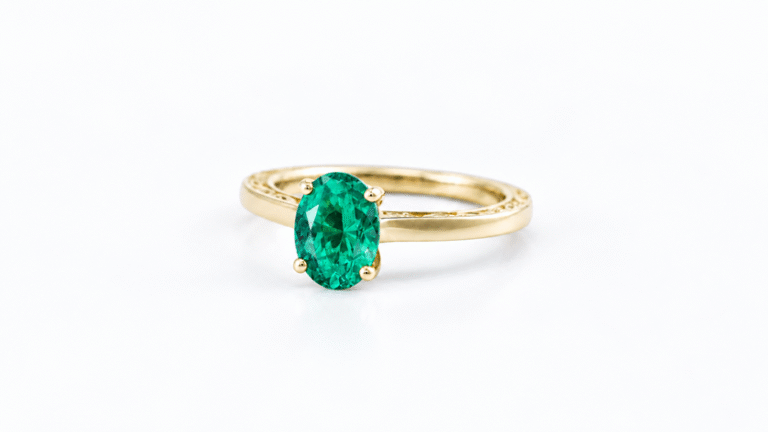
Sapphires, rubies, emeralds and other coloured gemstones can create distinctive engagement rings and are particularly useful when colour or personal meaning is important to the design.
The setting should always be designed specifically around the dimensions and characteristics of the chosen gemstone.
4. Choose Your Engagement Ring Style and Setting
Once you have a centre stone in mind, consider how you would like it set.
Popular engagement ring styles include:
- Solitaire – one centre stone for a clean, timeless appearance
- Halo – smaller diamonds surrounding the centre stone
- Trilogy – three principal stones
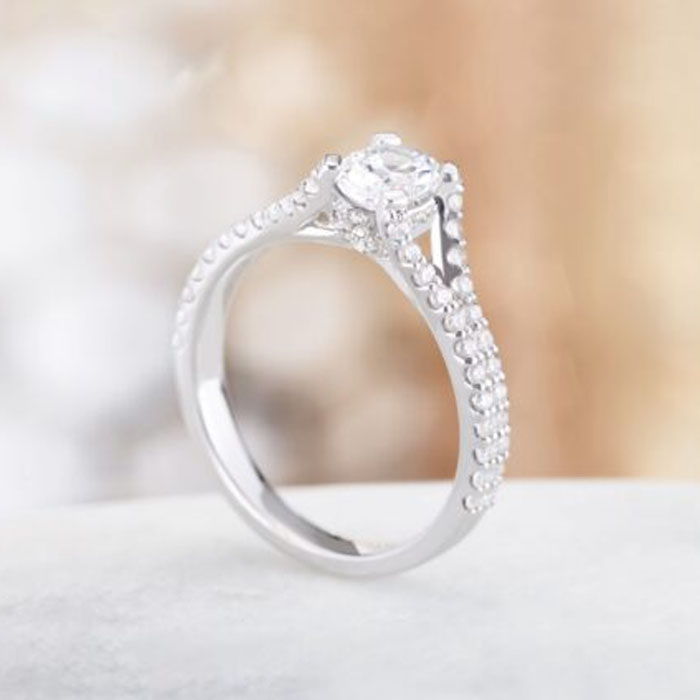
- Diamond band – smaller diamonds set along the shoulders or band
- Vintage-inspired – decorative details influenced by earlier jewellery styles
- Bezel or rub-over – metal surrounds more of the gemstone
- Hidden halo – a subtle row of diamonds positioned beneath the centre stone
However, you do not have to select a standard style.
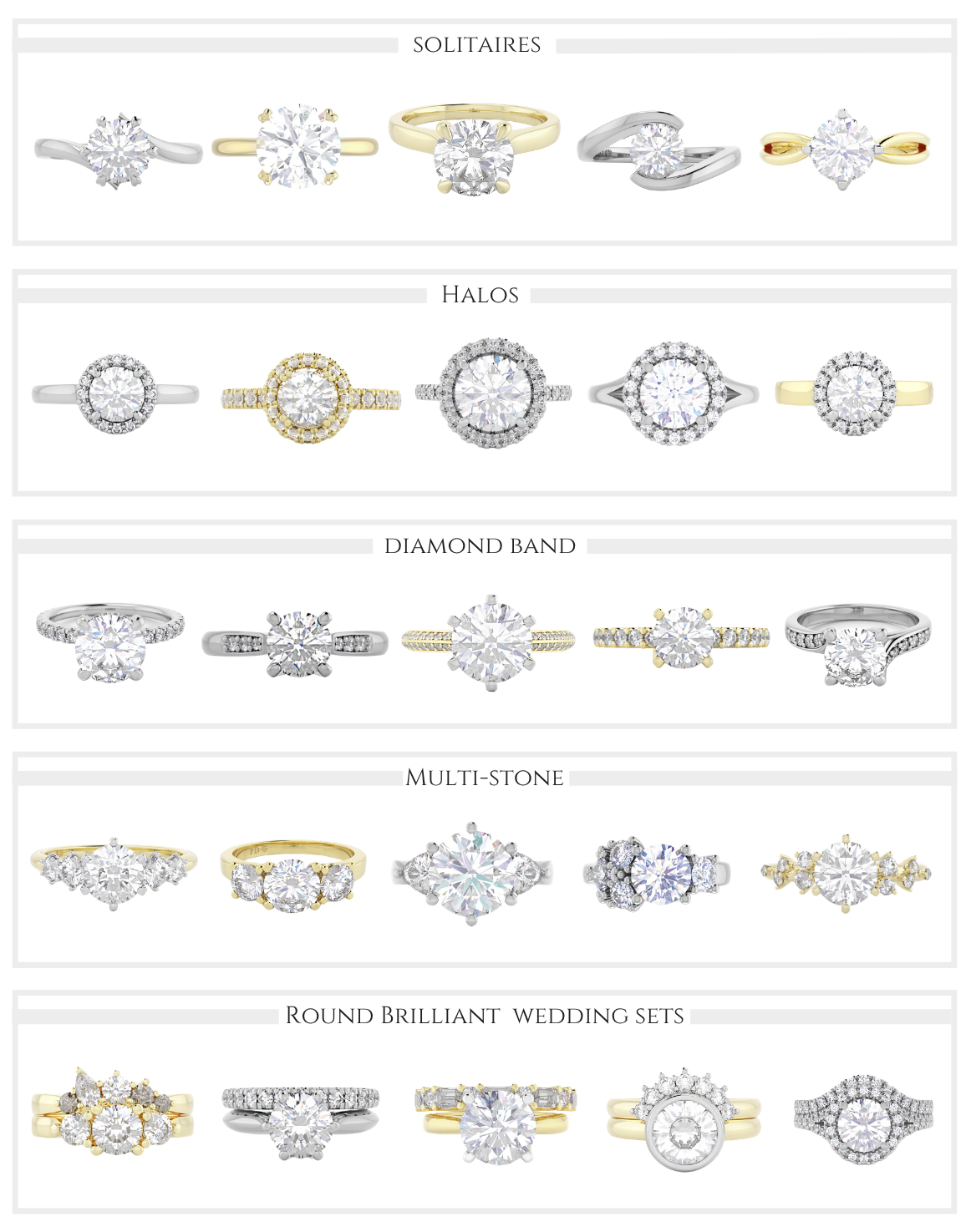
Elements from several engagement rings can be combined to create a completely custom design.
Think beyond how the ring looks from above. Setting height, band width, claw shape, gemstone security and how a future wedding ring will sit beside the engagement ring are all important parts of a successful design.
Our designers recommend considering the wedding ring during the engagement-ring design stage. A low centre setting or wide under-bezel may require a shaped wedding ring, while a suitably elevated setting may allow a straight wedding band to sit more closely beside it.
5. Select the Precious Metal
The most popular metal choices for engagement rings include:
Platinum
Naturally white and highly durable, platinum is particularly suited to fine jewellery and diamond settings.
White Gold
White gold provides a bright, contemporary appearance and remains one of the most popular choices for diamond engagement rings.
Yellow Gold
Yellow gold creates a warmer, traditional appearance and can provide an attractive contrast against a white diamond.
Rose Gold
Rose gold has a softer pink tone and works particularly well with romantic, vintage-inspired and contemporary designs.
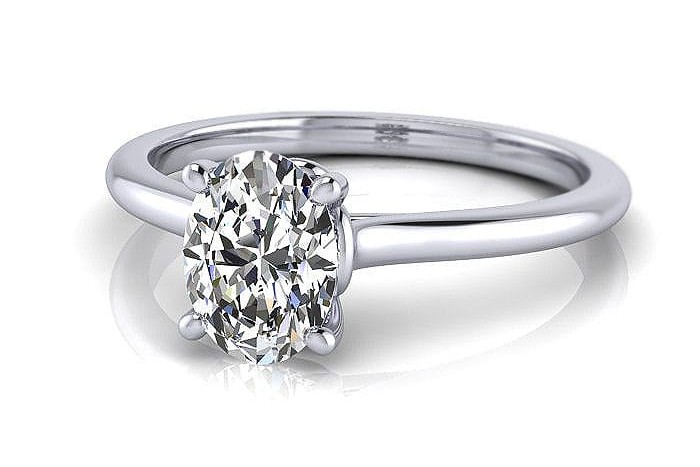
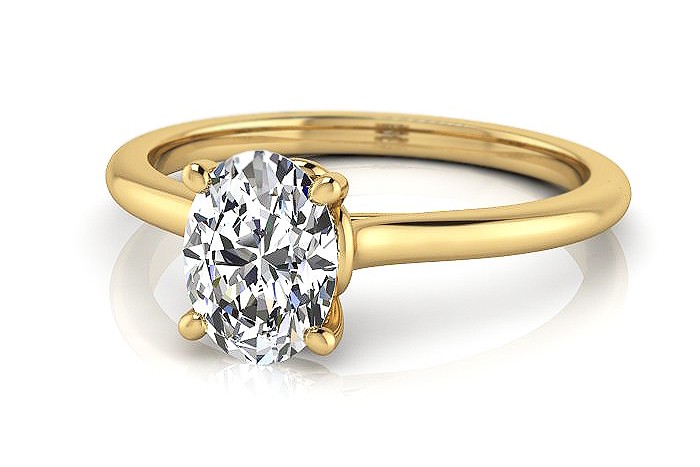
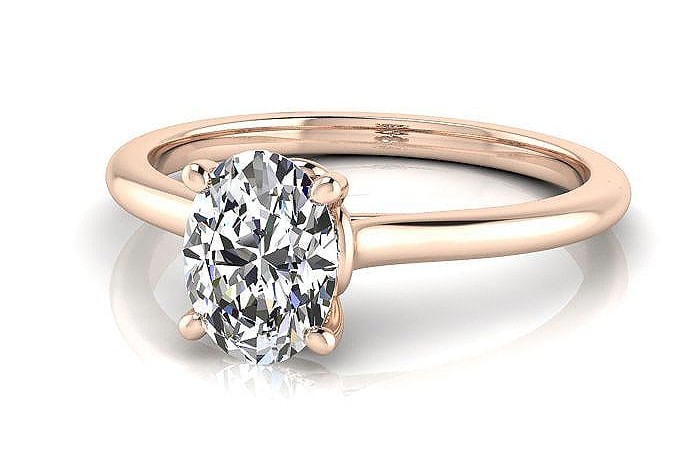
When choosing a metal, consider the jewellery the wearer already owns as well as the wedding ring they may eventually wear beside the engagement ring.
6. Find the Correct Ring Size
Correct finger size allows the proportions of a custom ring to be designed more accurately.
If you are designing the engagement ring together, visiting a jeweller for professional sizing is the easiest option.
If the proposal is a surprise, you may be able to use one of your partner’s existing rings as a sizing guide. Make sure the ring is normally worn on the correct finger, as finger sizes can differ significantly between hands and fingers.
If you are unsure, speak with your jeweller before making assumptions. In many cases, an engagement ring can be resized after the proposal if required.
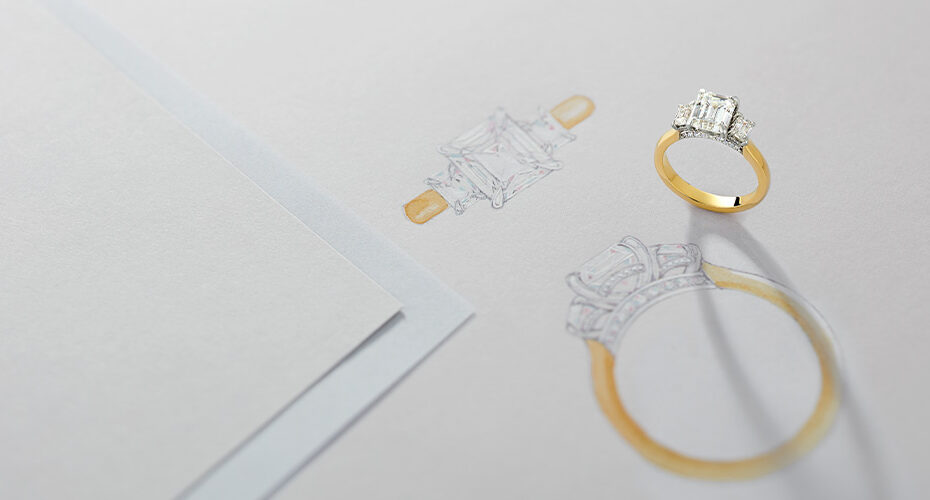
7. View Your Engagement Ring in CAD Before Production
This is where a custom engagement ring begins to come to life.
At Polished Diamonds, we use Computer-Aided Design (CAD) to build a detailed digital model of the engagement ring using the actual dimensions of the chosen diamond or gemstone and the required finger size.
When creating the CAD model, we use the actual measurements of the chosen gemstone rather than relying only on its stated carat weight. Two diamonds with the same carat weight can have different dimensions and therefore require different setting proportions.
CAD allows you to view the proportions of the ring before manufacture and refine important details such as:
- band width
- setting height
- claw design
- gemstone position
- accent diamonds
- overall proportions
You can review the design and request adjustments before approving it for manufacture.
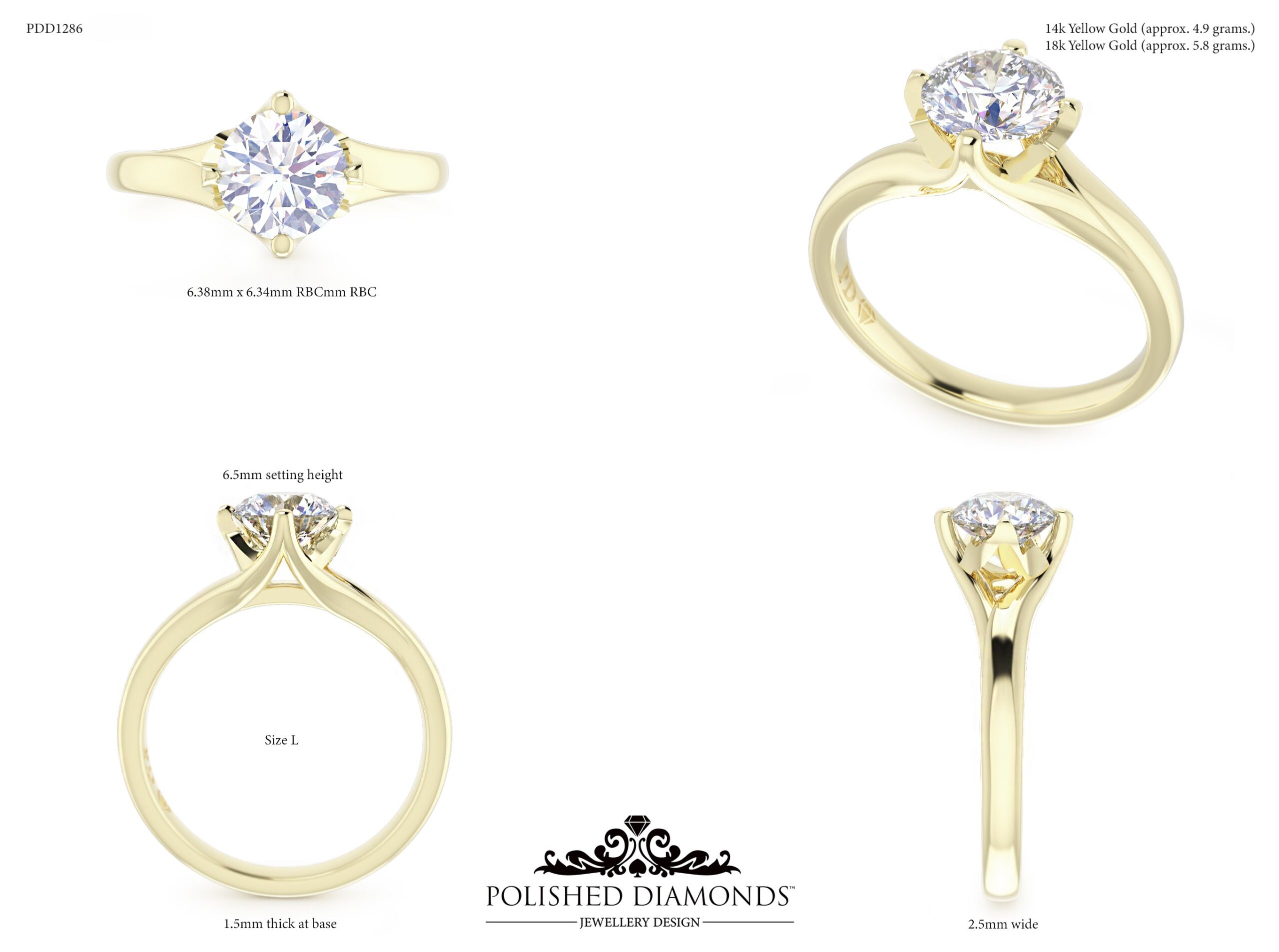
This is particularly valuable when combining ideas from different rings because you can see how all the individual elements work together as one finished design.
Depending on the design, a 3D model can also be produced as part of the development and manufacturing process.
8. Approve the Design and Create the Ring
Once the CAD design, gemstones, metal and finger size have been confirmed, the engagement ring can move into production.
Polished Diamonds designs and manufactures custom engagement rings in New Zealand, with approved designs typically completed in approximately 2-3 weeks.
The finished ring is then set, polished, finished and quality checked before collection or delivery.
Because the ring has been designed specifically around the chosen gemstone and finger size, every proportion can be considered before production begins.
Can I Design an Engagement Ring Online?
Yes.
You do not have to live close to a jewellery store to create a custom engagement ring.
Inspiration images, diamond options, design ideas and CAD models can all be discussed digitally. This means a custom engagement ring can be designed remotely while still allowing you to review the design before production. In certain cases, we can even courier a 3D model of your design directly to you. This allows you to accurately view the details and proportions of your ring before production commences.
Alternatively, you can visit a Polished Diamonds design studio in Auckland, Wellington or Christchurch to view engagement ring styles, compare diamonds and gemstones, and discuss your ideas in person.
Why Design a Custom Engagement Ring?
Designing a custom engagement ring gives you greater control over the centre stone, precious metal, setting, proportions and overall budget. The ring can also be designed around the wearer’s lifestyle, personal style and future wedding ring.
Rather than being restricted to the exact proportions, gemstone size or metal of a pre-made ring, you can choose the elements that matter most to you.
A custom engagement ring allows you to:
- choose the exact diamond or gemstone
- select your preferred precious metal
- adjust the proportions of the design
- incorporate meaningful details
- design around your budget
- consider how a future wedding ring will fit
- see the design before manufacture
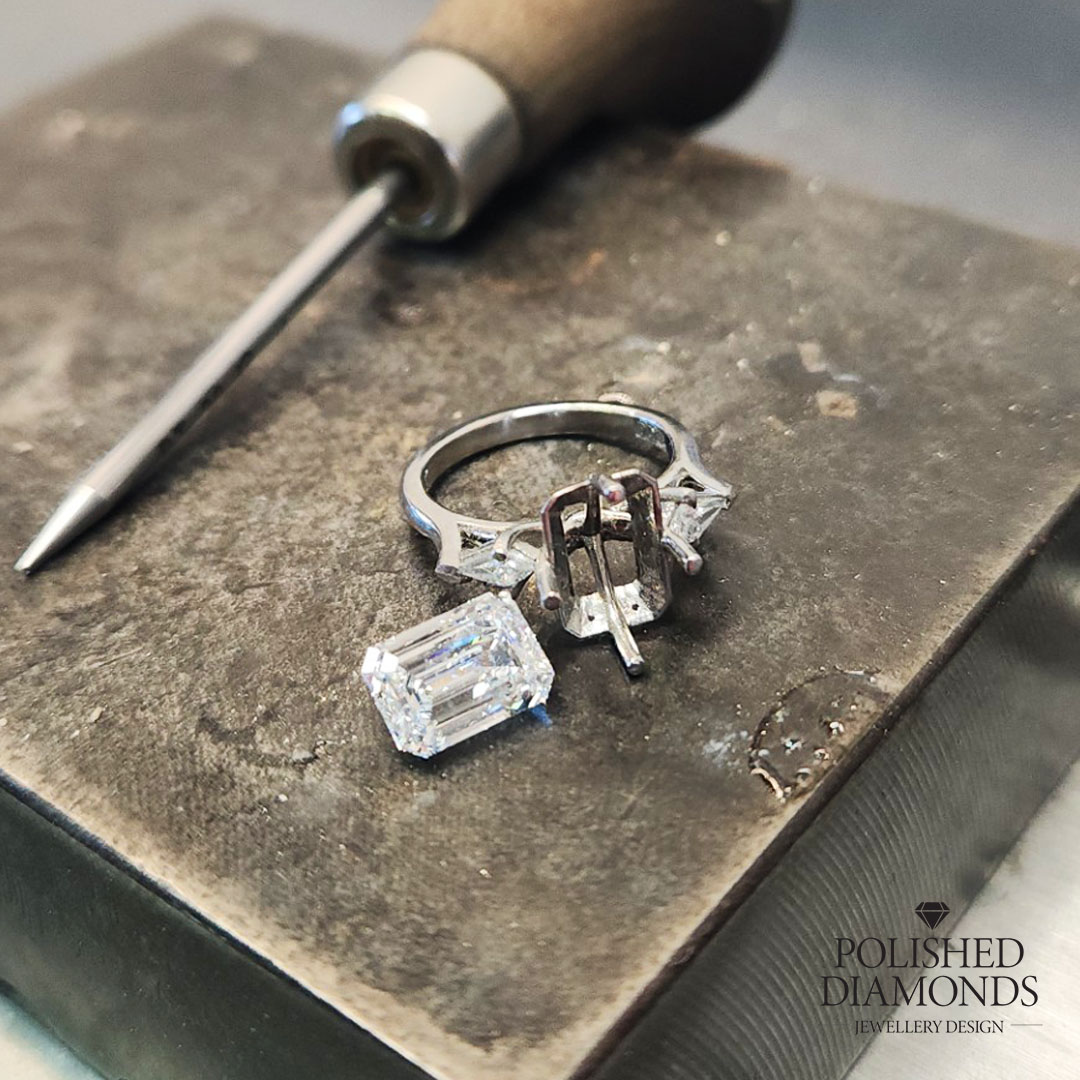
Most importantly, the finished engagement ring is created specifically for the person who will wear it.
Start Designing Your Engagement Ring
Whether you already know exactly what you want or are just beginning to explore ideas, designing a custom engagement ring starts with a conversation.
Browse engagement ring styles for inspiration, choose a diamond or gemstone, or bring us a photograph of a design you love. Our jewellery designers can then create a CAD model using your chosen gemstone dimensions and finger size so you can review your engagement ring before it is made.
Visit Polished Diamonds in Auckland, Wellington or Christchurch, or contact our team to start designing your engagement ring.
Frequently Asked Questions About Designing an Engagement Ring
Start with three things: your approximate budget, a few ring styles you like and an idea of the preferred centre stone. A jewellery designer can help you work through the remaining decisions.
No. Inspiration photographs or even a general description are enough to begin. A designer can help refine the proportions, stone, setting and practical details.
The price depends mainly on the centre diamond or gemstone, metal, design complexity and additional stones. Establishing your budget first allows the ring and gemstone options to be tailored accordingly.
Once the CAD design has been approved, Polished Diamonds typically manufactures custom engagement rings in New Zealand within approximately 2-3 weeks. More complex designs or unusual gemstones may require additional time.
Yes. A custom engagement ring can be designed around either a natural diamond or a lab-grown diamond. Both are available in a wide range of shapes, sizes and qualities.
Yes, and it is worth considering this during the initial design. The setting height, band shape and position of the centre stone can influence how closely a straight wedding ring will sit beside the engagement ring.
DESIGNING AN ENGAGEMENT RING: Key Takeaways
- Start designing your engagement ring by setting a budget and gathering inspiration from various sources.
- Choose the centre diamond or gemstone first, then discuss styles and settings with a jewellery designer.
- Select a precious metal that complements the design and consider the future wedding ring fit.
- Utilise CAD technology to view and refine your engagement ring design before production.
- Designing a custom engagement ring allows for personalisation, enabling you to create a unique piece tailored to the wearer.