Platinum engagement rings: Platinum vs white gold guide
Platinum is one of the finest precious metals for engagement rings, wedding rings and diamond jewellery. It is naturally white, highly durable and commonly used in a 95% pure alloy known as Pt950 platinum.
Its cool white colour complements diamonds without requiring rhodium plating. In addition, its substantial weight and refined finish give platinum jewellery a distinctive sense of luxury.
However, platinum and white gold wear differently. Therefore, the best metal for your ring will depend on your preferred appearance, budget, lifestyle and maintenance expectations.
What is Pt950 platinum?
Pt950 means that the jewellery contains 950 parts platinum per thousand, or 95% pure platinum. The remaining 5% is made from other metals selected to improve the alloy’s working and wearing properties.
By comparison, 18-carat gold contains 75% pure gold, while 14-carat gold contains approximately 58.5% pure gold.
Platinum is naturally grey-white. It does not need a surface coating to create its colour, and it will not gradually reveal a yellow-toned metal beneath the surface.
This combination of purity, colour and weight is one reason platinum is associated with fine and luxury jewellery.
Why choose platinum for an engagement ring?
An engagement ring is usually worn every day. As a result, its metal must support the diamond or gemstone while also withstanding regular contact with clothing, furniture and other surfaces.
Platinum offers several advantages for an engagement ring.
Platinum is naturally white
Platinum’s naturally white colour creates a clean background for colourless and near-colourless diamonds. It does not require rhodium plating to achieve its appearance.
This makes platinum particularly suitable for:
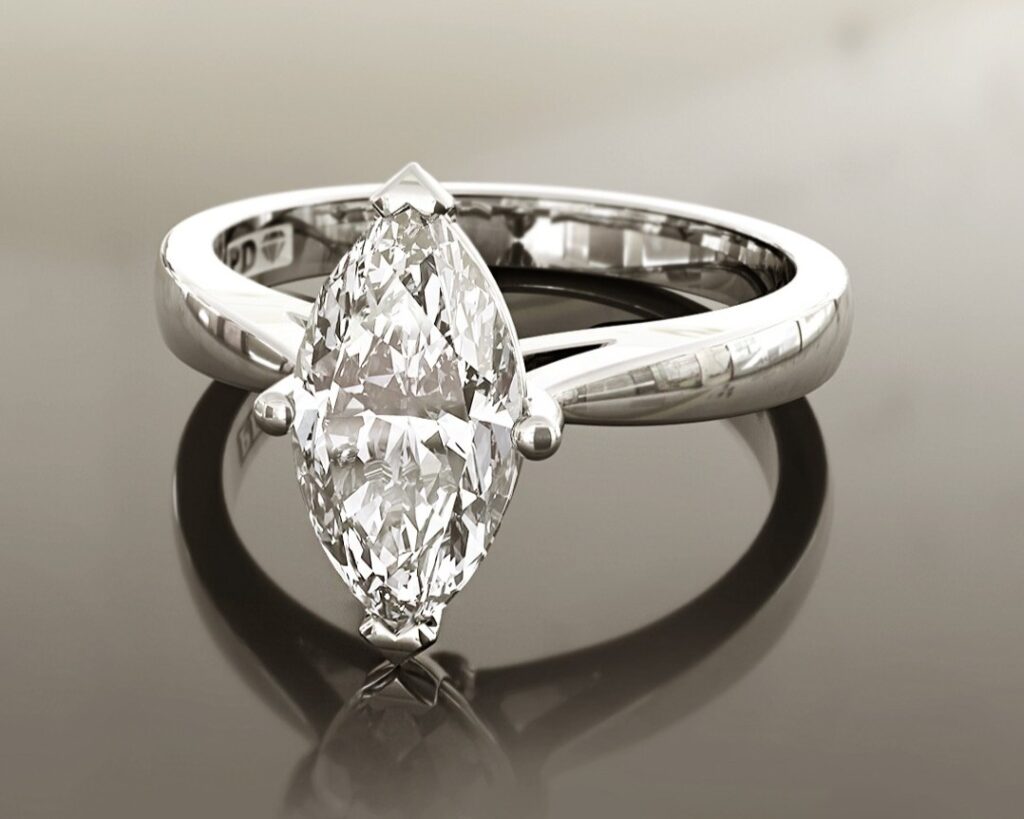
- Solitaire diamond rings
- Halo engagement rings
- Pavé and diamond-set bands
- Trilogy rings
- Vintage-inspired diamond rings
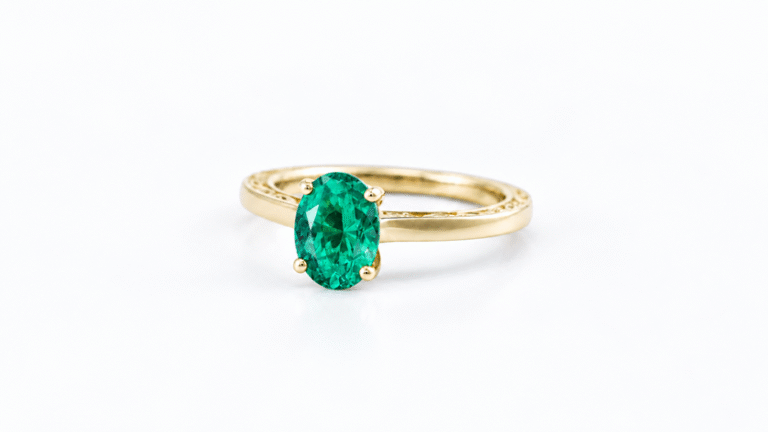
- White diamond and coloured gemstone designs
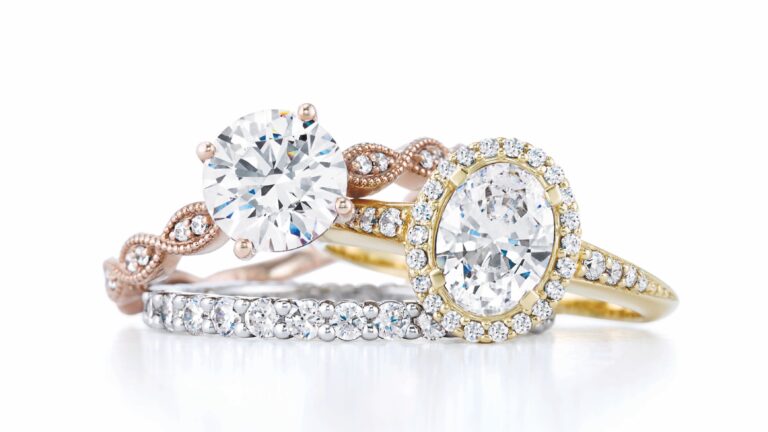
The neutral colour allows the diamond or gemstone to remain the visual focus of the ring.
Platinum is durable
Platinum is a dense and durable precious metal. It is well suited to finely detailed jewellery and settings designed to hold valuable diamonds and gemstones.
However, durability does not mean that platinum is scratch-proof. All precious metals can develop marks during normal wear.
When platinum is scratched, much of the metal is displaced rather than simply removed. Over time, these fine surface marks create a soft satin-like finish called a platinum patina.
Some clients appreciate this natural finish because it records the life of the ring. Others prefer a highly polished appearance, which can be restored through professional servicing.
Platinum has a substantial feel
Platinum is denser than gold. Therefore, a platinum ring will normally feel heavier than an equivalent ring made in white gold.
This weight is often described as reassuring or luxurious. It can be especially noticeable in wider wedding rings, heavier engagement ring bands and substantial men’s rings.
Platinum may suit sensitive skin
Because Pt950 jewellery contains a high proportion of platinum, it is often a suitable option for people who experience sensitivity to some jewellery alloys.
However, allergies and sensitivities vary between individuals. Anyone with a diagnosed metal allergy should confirm the exact alloy used before ordering their ring.
At Polished Diamonds, our team can explain the available precious metal options and help you select an alloy suited to your design and wearing requirements.
Platinum vs white gold: what is the difference?
Platinum and white gold can look similar when they are newly polished. Nevertheless, they differ in composition, weight, colour and long-term maintenance.
| Feature | Platinum | White gold |
|---|---|---|
| Natural colour | Naturally grey-white | Gold alloyed with white metals |
| Typical purity | Pt950 is 95% platinum | 18ct is 75% gold; 14ct is 58.5% gold |
| Surface finish | Develops a natural patina | Commonly finished with rhodium plating |
| Replating | Normally not required | May need periodic rhodium replating |
| Weight | Heavier and denser | Lighter than platinum |
| Everyday wear | Scratches and develops a patina | Scratches and may show wear in its plating |
| Appearance | Soft, natural white tone | Bright white when freshly rhodium plated |
| Price | Depends on weight, design and current metal costs | Depends on gold purity, design and current metal costs |
Neither metal is automatically the right choice for every person.
Choose platinum when you prefer a naturally white metal, a heavier feel and no routine rhodium plating. Choose white gold when you prefer a lighter ring, a bright plated finish or a particular price point.
Is platinum more expensive than white gold?
Platinum has traditionally been positioned as a premium jewellery metal. However, the final price of a ring depends on more than the market price of the raw metal.
Platinum is denser than gold, so more metal by weight may be required to produce the same ring. It also requires specialist equipment, manufacturing knowledge and finishing techniques.
White gold pricing is influenced by gold purity, alloy composition, manufacturing requirements and rhodium finishing.
As precious-metal prices change, the difference between platinum and white gold can become smaller or larger. Therefore, it is better to compare current prices for the same ring design rather than relying on a general rule.
Because Polished Diamonds creates jewellery to order, we can provide an up-to-date comparison based on your chosen design, finger size, band width and diamond or gemstone.
Is platinum suitable for wedding rings?
Platinum is an excellent choice for both women’s and men’s wedding rings.
Its naturally white colour works well beside a platinum engagement ring. It can also be paired with white gold, yellow gold or rose gold when you prefer a mixed-metal ring set.
Platinum wedding rings are available in:
- Classic polished bands
- Brushed or satin finishes
- Diamond-set wedding rings
- Curved and fitted wedding rings
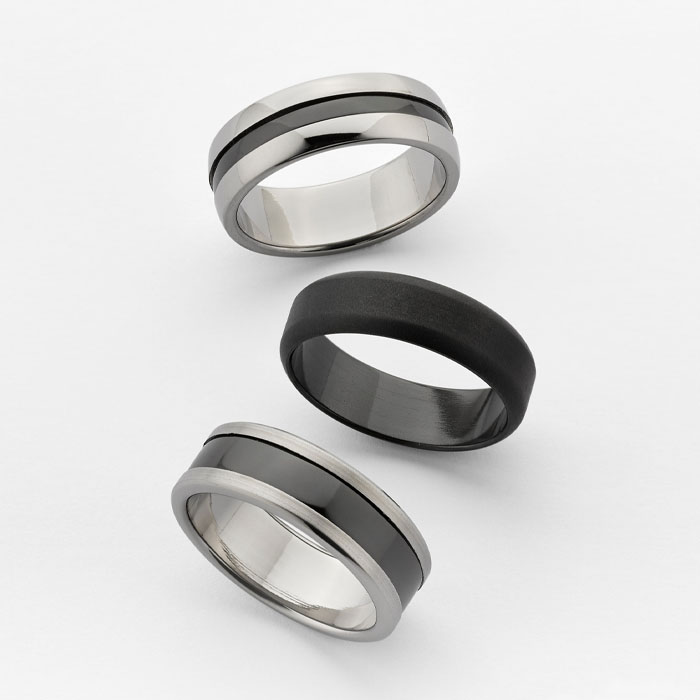
- Wide men’s wedding bands
- Engraved or patterned designs
- Custom rings designed around an engagement ring
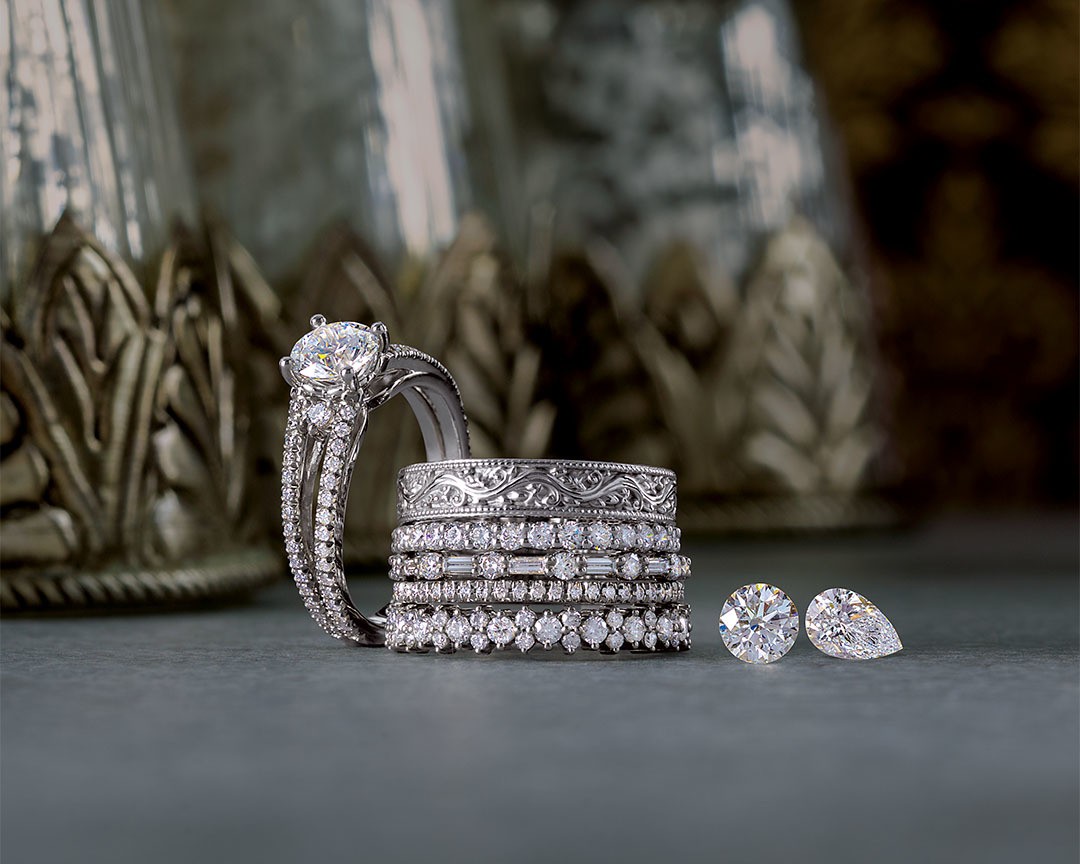
When creating a wedding ring to sit beside an engagement ring, the shape, height and contact points of both rings should be considered. A custom-designed band can reduce unwanted gaps and create a more balanced ring set.
Does platinum scratch?
Yes. Platinum scratches during normal wear, just as gold and other precious metals do.
Fine scratches gradually blend into a soft patina. This is a natural surface change rather than a fault in the metal.
A platinum ring can be professionally polished to restore a brighter finish. However, constant polishing is unnecessary. Many people allow their ring to develop its natural character and only have it refinished during a wider jewellery service.
The best approach is to inspect the claws, settings and stones periodically rather than focusing only on surface marks.
How do you care for a platinum ring?
Platinum jewellery is relatively straightforward to maintain.
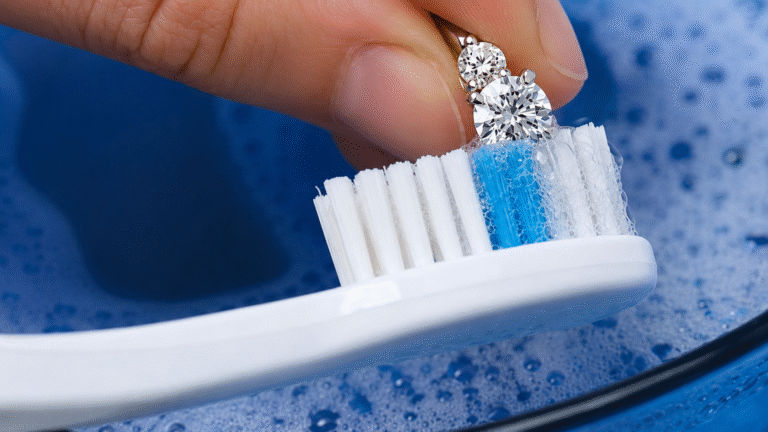
Clean your ring with warm water, mild dishwashing liquid and a soft brush. Gently clean behind the diamond or gemstone, where hand cream, soap and everyday residue can collect.
Avoid wearing fine jewellery while:
- Lifting heavy weights
- Gardening or completing building work
- Using strong cleaning chemicals
- Swimming in chlorinated pools
- Handling equipment that could crush or distort the ring
Store platinum jewellery separately from other pieces to reduce unnecessary contact and scratching.
You can also bring your jewellery into a Polished Diamonds showroom for ultrasonic cleaning and professional inspection. If required, our jewellers can polish the ring and check its claws, settings and stones.
Custom platinum rings made in New Zealand
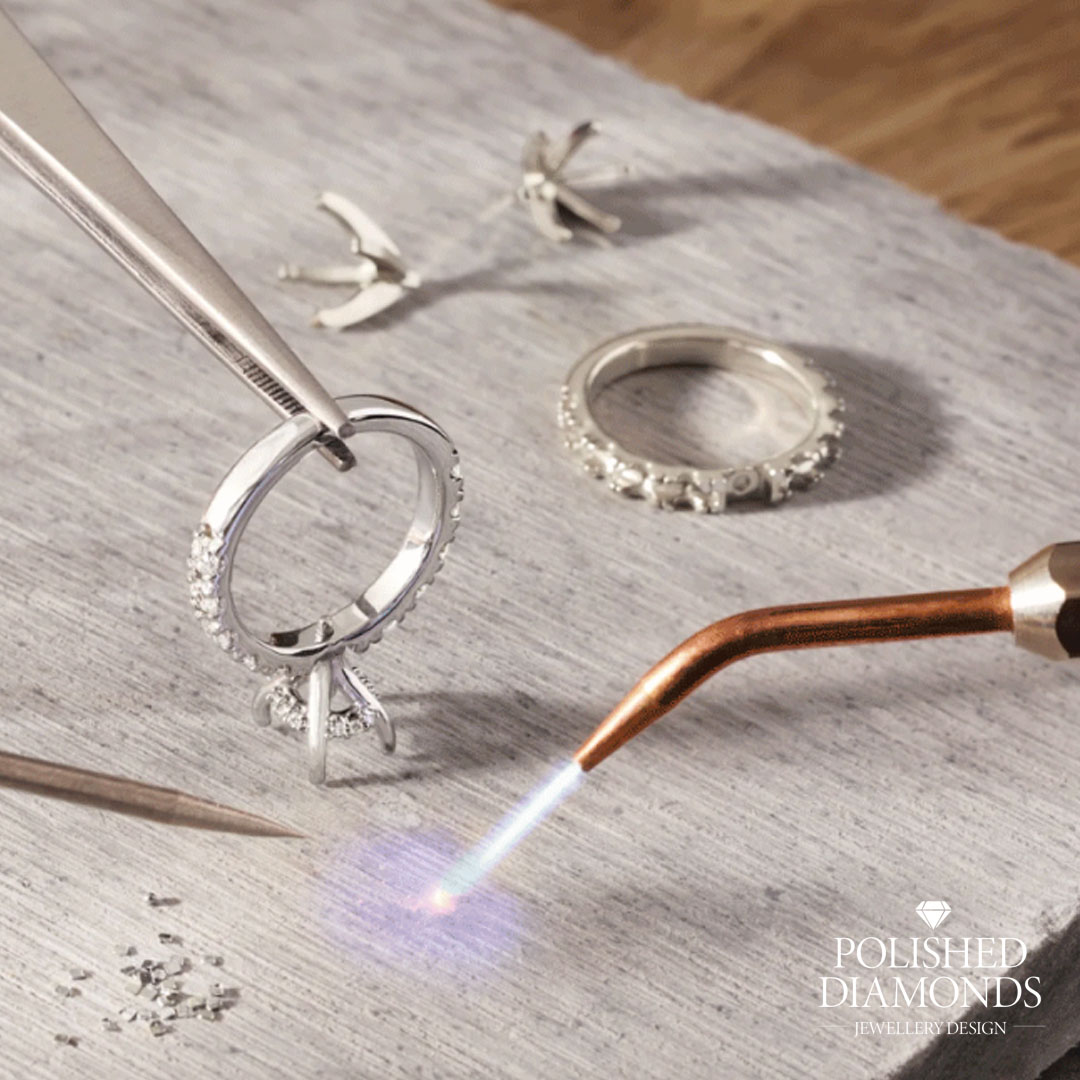
At Polished Diamonds, we use computer-aided design to create engagement rings, wedding rings and fine jewellery around your chosen style, finger size, metal and gemstone.
The CAD process allows you to view the ring before it is made. Changes can be made to the band width, setting height, claw style, diamond size and overall proportions.
Depending on the design, a resin model may also be produced so you can assess the scale and fit before your platinum ring enters production.
Our rings are made to order in New Zealand and can be created with either a certified natural diamond or a certified lab-grown diamond. Every completed piece is checked before collection or insured delivery and is supported by our lifetime manufacturing guarantee.
Explore our diamond engagement rings, women’s platinum wedding rings and men’s platinum wedding rings, or speak with our jewellery designers about creating a custom ring.
You can begin online or visit a Polished Diamonds jewellery design studio in Auckland, Wellington or Christchurch.
Frequently asked questions about platinum jewellery
Platinum is not automatically better for every customer. It is naturally white, dense and does not require rhodium plating. White gold is lighter and can provide a brighter plated finish. The right choice depends on your preferred look, feel, budget and maintenance expectations.
No. Platinum is naturally white and does not turn yellow as a surface coating wears away. Its surface can become softer and more satin-like as it develops a patina.
Platinum is highly resistant to tarnishing. However, normal wear will still create scratches, marks and a natural patina.
No. Platinum does not need rhodium plating because its white colour comes from the metal itself.
High-purity Pt950 platinum is often chosen by people with sensitive skin. However, anyone with a known metal allergy should confirm the full alloy composition before purchasing.
Many platinum rings can be resized by an experienced jeweller. The amount of adjustment possible depends on the design, stone setting and structure of the ring.
Yes. Platinum can be professionally polished to restore a brighter surface. It can also be left with its natural patina if you prefer a softer finish.
Platinum is denser than gold, so a platinum ring generally feels heavier than the same design made in white gold. Many clients associate this substantial feel with quality and luxury.
PLATINUM ENGAGEMENT RINGS: KEY TAKEAWAYS
- Platinum jewellery, specifically Pt950, contains 95% pure platinum, making it highly durable and naturally white, ideal for engagement rings and wedding bands.
- Platinum is denser than gold, giving it a substantial feel, and does not require rhodium plating, maintaining its colour without turning yellow.
- While both platinum and white gold can look similar, they differ in composition, weight, and long-term maintenance, influencing which is best for your ring.
- Platinum jewellery can scratch but develops a natural patina, and it requires basic care, like gentle cleaning and storage away from other pieces.
- Polished Diamonds offers custom platinum jewellery designed in New Zealand, with options for certified natural or lab-grown diamonds.